


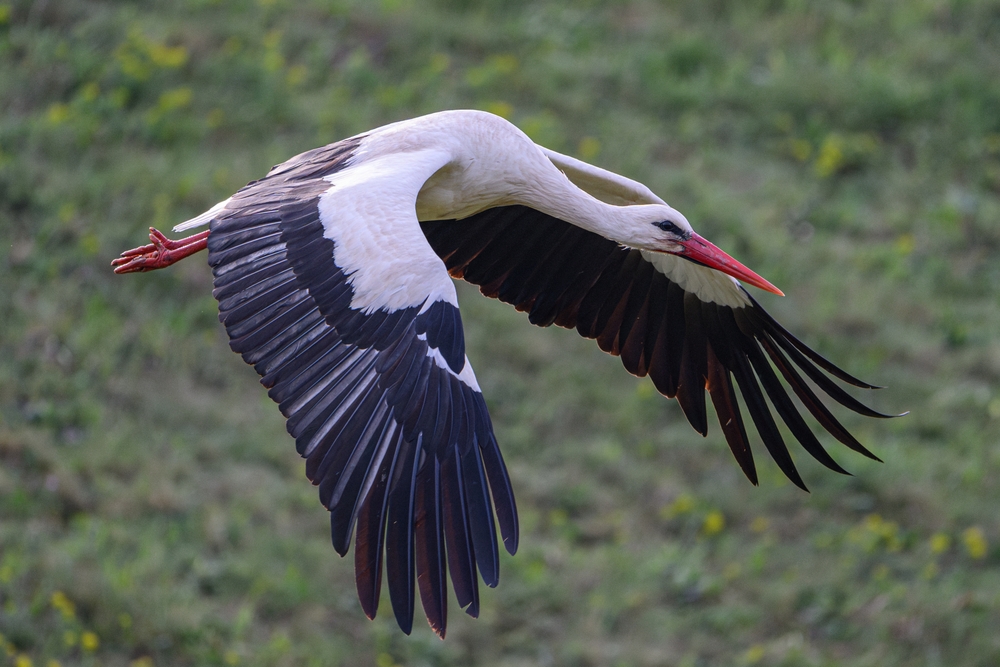
A bird that once teetered on the edge of extinction in the United States is now being hailed as a conservation success story. The wood stork, the only native stork species that breeds in the U.S., is set to be removed from the federal endangered and threatened species list after decades of recovery efforts.
The U.S. Fish and Wildlife Service (FWS) announced that the species has rebounded strongly enough to no longer require federal protection. The change is scheduled to take effect on March 9.
A Remarkable Comeback
When the wood stork was added to the endangered species list in 1984 under the Endangered Species Act, its numbers had plummeted by more than 75% since the 1930s. Habitat loss, particularly the destruction and alteration of wetlands, was the main driver of its decline.
Since then, its recovery has been steady. Officials now estimate there are between 10,000 and 14,000 nesting pairs spread across roughly 100 breeding sites. That marks more than double the number of nesting pairs and over three times as many colonies as when the bird first received federal protection.
Today, wood storks can be found across 13 counties in southern Georgia and along the state’s coast, as well as in Mississippi, Alabama, Florida, South Carolina and North Carolina.
FWS Director Brian Nesvik described the turnaround as a testament to years of collaboration. He said the bird’s recovery reflects the hard work of conservation partners and noted that the administration is moving to remove protections from species that no longer require them.
Concerns Over Wetland Loss
Not everyone agrees that the bird is out of danger. Environmental advocates argue that removing protections now could put the species at renewed risk.
The Southern Environmental Law Center called the decision premature, pointing to continued threats to wetlands — the very ecosystems wood storks depend on to survive. The group also raised concerns about climate change and potential rollbacks in habitat protections that could impact the Southeast.
Ramona McGee, who leads the organization’s Wildlife Program, warned that shrinking wetlands and weakened environmental safeguards could undermine decades of progress, not just for wood storks but for other species across the region.
Monitoring the Future
In response to those concerns, the Fish and Wildlife Service said it has developed a 10-year monitoring plan to track the bird’s population and ensure it remains stable after delisting.
For now, federal officials are celebrating the wood stork’s rebound as a rare piece of good news in conservation — a species once facing extinction that has managed to reclaim a foothold in its natural habitat.
