


When Urban Growth Meets Wildlife
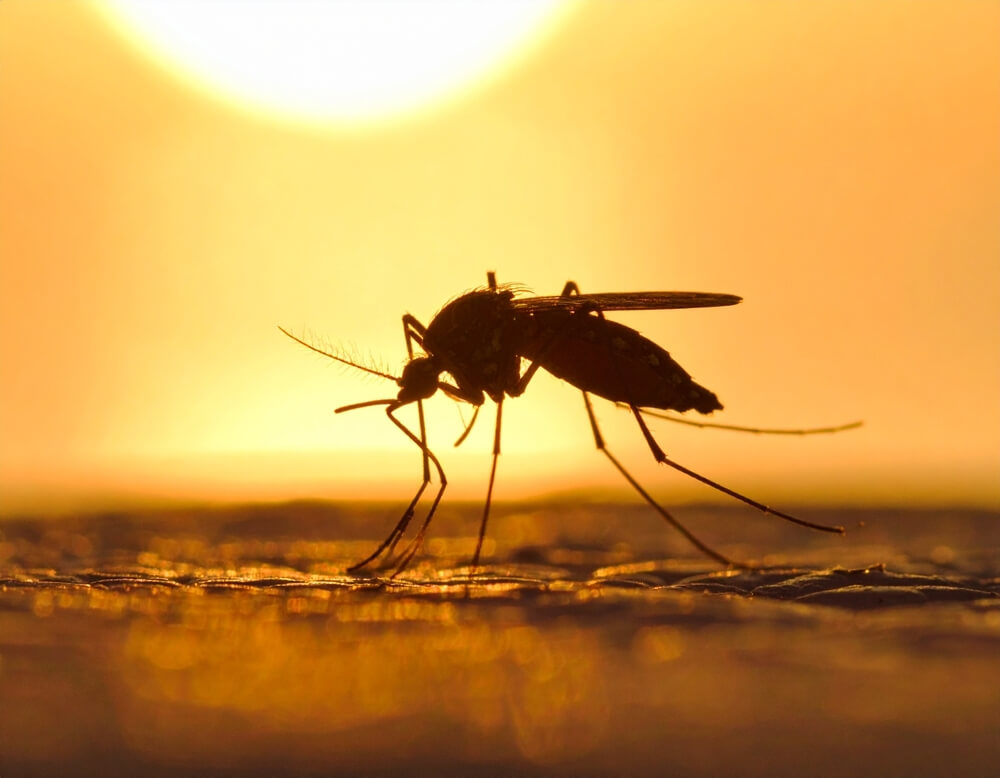
As cities and suburbs expand into forests, wetlands, and grasslands, the line between human and animal habitats blurs. Habitat fragmentation forces wildlife to adapt, with animals like rats, mice, birds, and mosquitoes thriving in close contact with people. These species can carry viruses and other pathogens that rarely affected humans before, but daily encounters in backyards, parks, and alleyways now create what scientists call a “disease bridge”—a pathway for wildlife viruses to enter urban populations.
Understanding Zoonotic Spillovers
Zoonotic diseases, or zoonoses, are illnesses that jump from animals to humans. They can be caused by viruses, bacteria, fungi, or parasites. Many pathogens circulate harmlessly in wildlife for years, but repeated contact with humans increases the chance of spillover events. Once these pathogens cross over, urban density can accelerate transmission, raising the risk of local outbreaks and, in some cases, larger epidemics.
Designing Cities to Reduce Risk
Urban planning and green space management play a key role in controlling pathogen spread. Poorly maintained parks or fragmented green areas can unintentionally support disease-carrying species. On the other hand, well-designed green spaces, coupled with effective biosurveillance, can help monitor viral hotspots and catch emerging threats early—providing both ecological balance and public health protection.
