


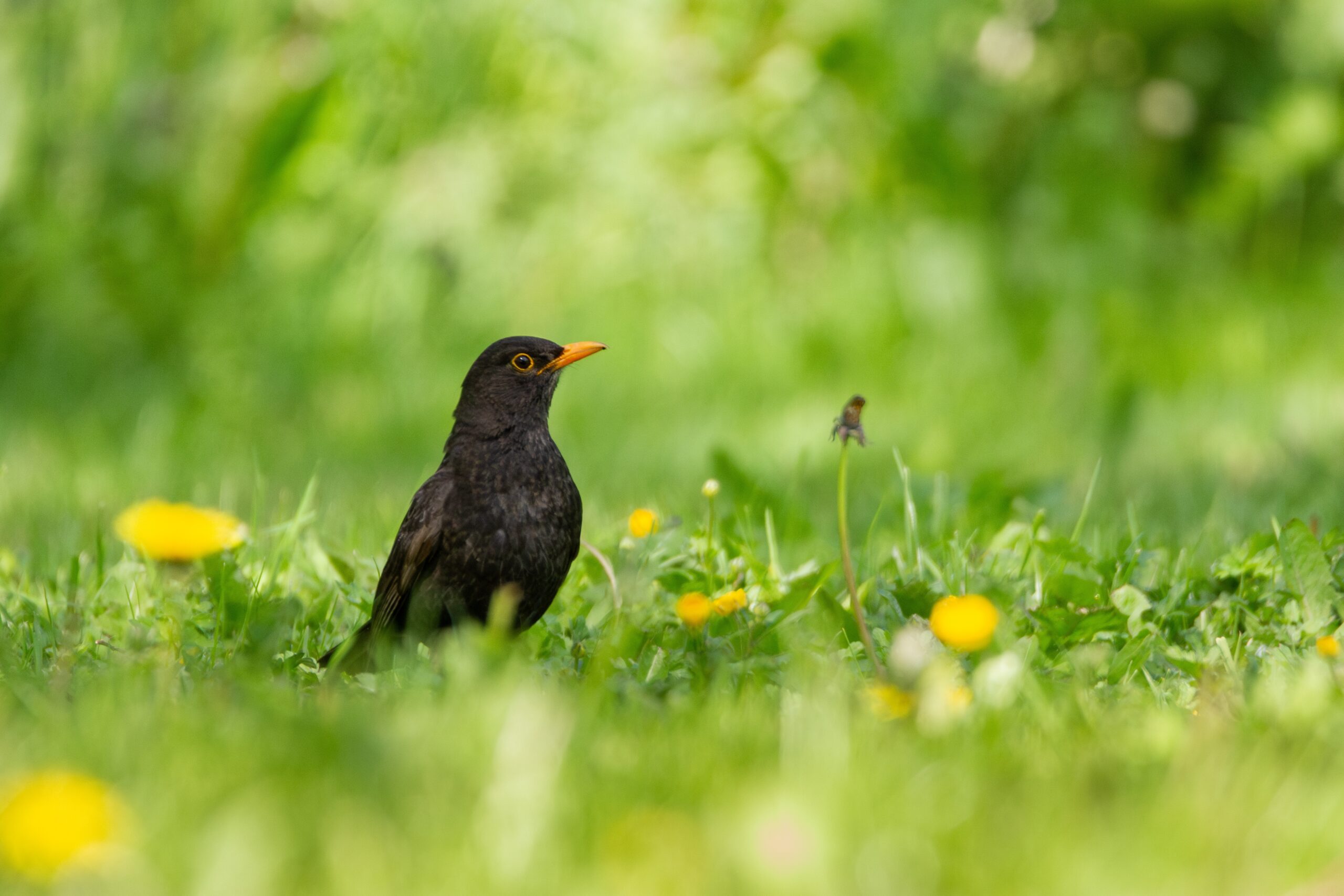
Insect-eating bird species in France are showing the first subtle signs of recovery following the EU’s 2018 ban on neonicotinoid pesticides, according to a new nationwide analysis. By 2022—four years after the ban—populations of species such as blackbirds, blackcaps and chaffinches had increased by an estimated 2–3%.
The study, published in Environmental Pollution, examined long-term monitoring data collected at more than 1,900 sites across France. Researchers compared bird populations before the ban (2013–2018) and after (2019–2022), analysing 57 species. They found insectivorous bird numbers were 12% lower in areas previously treated with neonicotinoids compared with untreated sites, reflecting the long-lasting impacts of the chemicals.
Neonicotinoids, widely used since the 1990s, are systemic pesticides that permeate plant tissues and can disrupt insects even at trace levels. They were strongly linked to mass bee die-offs across Europe in the 2000s, ultimately prompting the EU to introduce near-total bans in 2018. The UK adopted similar restrictions, while the US still uses the chemicals extensively—a country that has lost nearly 3 billion insect-eating birds since the 1970s.
Lead researcher Thomas Perrot said even modest population gains are significant: “It shows the ban made a difference.” But he cautioned that full recovery will take decades, as neonicotinoids persist in soils for years and continue to affect insect life.
Experts stressed that more research is needed. Other factors—including habitat changes and climate variations—also influence bird populations, making it difficult to isolate the pesticide effect entirely. Still, conservation groups say the findings reinforce the value of pesticide bans and long-term ecological monitoring.
Because insect loss is a major driver of global bird declines, the early signs from France may offer hope for recovery elsewhere in Europe. Yet researchers warn that sustainable farming practices, reduced pesticide use and restored habitats are essential if bird populations are to rebound fully.
