


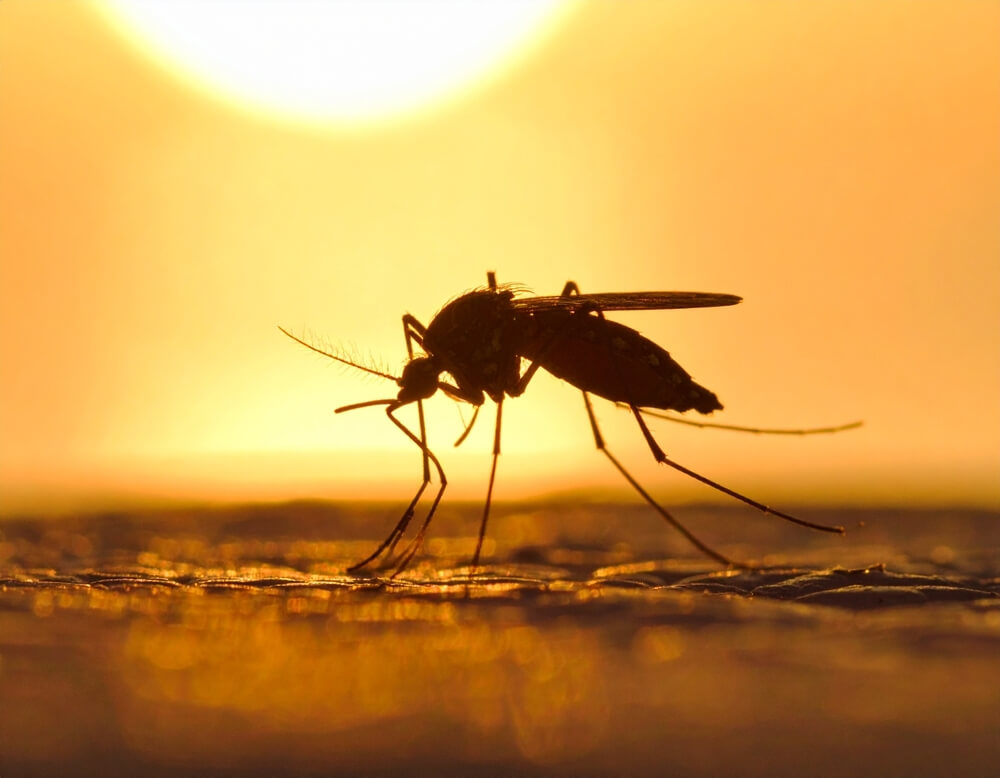
As the Atlantic Forest shrinks, mosquitoes increasingly rely on humans for blood meals. This shift raises concern because it can speed disease spread and increase outbreak risks. Communities living near forest edges face growing exposure as habitats change.
Stretching along Brazil’s coastline, the Atlantic Forest once supported extraordinary biodiversity. The ecosystem included hundreds of bird, amphibian, reptile, mammal, and fish species. Human development has already reduced the forest to about one third. As people move deeper into former wilderness, wildlife retreats and ecological balances break. Mosquitoes that once fed on many animals now increasingly target humans. A study in Frontiers in Ecology and Evolution documents this trend in detail.
Researchers found strong evidence that mosquitoes in forest remnants prefer human blood. Dr. Jeronimo Alencar from the Oswaldo Cruz Institute led the research. He said captured mosquito species showed a clear feeding preference for humans.
Dr. Sergio Machado from the Federal University of Rio de Janeiro explained the danger. He said human preference increases transmission risk in biodiverse environments. Many potential animal hosts exist, yet mosquitoes still choose humans. This choice amplifies the chance of pathogens moving into people.
Tracking what mosquitoes are biting
The research team studied mosquito diets inside protected forest areas. They placed light traps at Sítio Recanto Preservar and the Guapiacu River Ecological Reserve. Both sites lie in Rio de Janeiro state.
Scientists collected female mosquitoes that had recently fed on blood. They separated these insects and analyzed them in the laboratory. Researchers extracted DNA from the blood inside each mosquito.
The team sequenced a specific gene used as a biological barcode. Each vertebrate species carries a unique version of this marker. By comparing sequences with reference databases, scientists identified bitten hosts accurately. This method allowed precise tracking of mosquito feeding behavior.
Humans emerge as a dominant blood source
Researchers captured 1,714 mosquitoes representing 52 different species. Among them, 145 females carried visible blood meals. Scientists successfully identified the blood source in 24 mosquitoes.
Eighteen meals came from humans, showing strong dominance. Other meals came from one amphibian, six birds, one canid, and one mouse. Some mosquitoes fed on more than one host.
One mosquito, identified as Cq. venezuelensis, fed on both an amphibian and a human. Mosquitoes from the species Cq. fasciolata also showed mixed meals. These combinations included rodent and bird, and bird and human.
Alencar explained that mosquito behavior responds to many factors. He said some species have innate preferences. He added that host availability and proximity strongly influence feeding choices. Changing environments reshape mosquito decisions quickly.
How deforestation increases disease risk
Deforestation removes plants and animals from forest ecosystems. Human settlements replace natural habitats and reduce host diversity. Mosquitoes respond by shifting habitats and feeding strategies. They often move closer to people as options decline.
Machado said mosquitoes adapt when natural hosts disappear. With fewer animals available, mosquitoes seek alternative blood sources. Humans become the most convenient and prevalent option. This change increases contact between mosquitoes and people.
Mosquito bites bring more than discomfort in these regions. Local mosquitoes transmit Yellow Fever, dengue, Zika, Mayaro, Sabiá, and Chikungunya viruses. These infections cause serious illness and can produce long term complications.
Researchers stressed the importance of understanding feeding behavior. Mosquito diets shape how diseases circulate through ecosystems. They also determine how pathogens reach human populations. Knowledge of these patterns supports stronger public health responses.
What the findings mean for prevention
The study also revealed important data gaps. Fewer than seven percent of captured mosquitoes carried visible blood meals. Scientists identified the blood source in only about 38 percent of those cases. These limits highlight the need for larger and more detailed studies.
Researchers called for improved techniques to detect mixed blood meals. Better detection would clarify how often mosquitoes switch between hosts. More data would strengthen disease risk models.
Despite limitations, the findings already offer practical value. Health agencies can use them to guide mosquito control strategies. Early warning systems for outbreaks can also improve.
Machado said strong human preference signals transmission danger. He described it as an alert for elevated disease risk. Alencar said the data allows targeted surveillance and prevention actions. He added that future control strategies may better respect ecosystem balance.
