


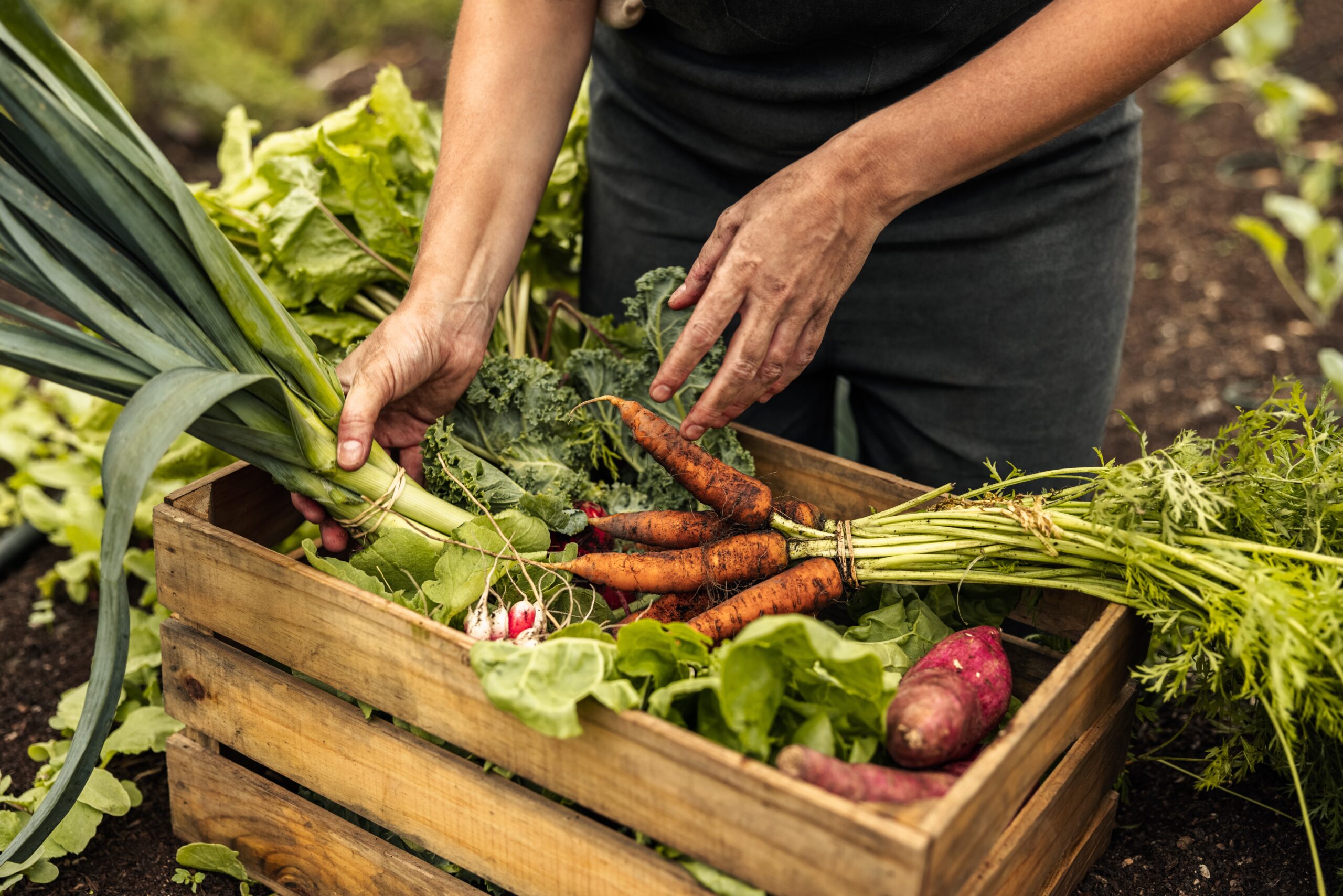
Foraging offers access to unusual foods and the experience of harvesting them directly from nature. But could it also cause harm?
A Beachside Lesson in Seaweed
On an unseasonably warm April evening, I lift a soggy lump of seaweed on a southern England beach. It smells sharp and tangy. The hard, flat fronds carry tufts of green vegetation, seawater, and sand.
Our guide recommends frying this type of seaweed. I join a seaweed foraging course along the Jurassic Coast, and as we climb along the shoreline, the sun turns golden and mist rises above the sand dunes. Dan Scott gives us cooking tips. “This one becomes mucilaginous – snotlike, a great word – when you cook it,” he says, holding up another sandy specimen.
I pick dry clumps of seaweed from rocks and squeal with other participants as we tease razor clams from the sand with salt, then release them. I wonder whether foraging truly reconnects us with nature and whether it benefits the planet.
Learning to Forage Safely
Scott, a UK Association of Foragers member and guide for Fore/Adventure, teaches seaweed anatomy: holdfast, stem, and fronds. He shows us how to harvest without killing the plant, using clippers and leaving some length behind, and how to identify edible types.
He warns against trying every option. “Some of them taste so maritime it’s like having seawater in your mouth,” he says. Still, the beach offers abundance. “If you have to survive on what nature gives you, it’s much easier by the sea.”
Seaweed qualifies as a superfood, rich in potassium, iron, and magnesium. Research shows it benefits people with diabetes or those who are overweight. Commercial seaweed cultivation grows quickly as countries aim to supply sustainable food and materials.
The Resurgence of Foraging
Foraging for your own meals differs from commercial cultivation. It involves collecting food that grows naturally rather than being planted. Humans have practiced it since prehistoric times, and interest has surged. Ecologically aware people in the UK increasingly forage to avoid fossil fuels, pesticides, and herbicides. In some parts of the US, national parks, such as Death Valley, limit how many berries and nuts people can gather daily.
Many of us forage unconsciously, picking blackberries or wild garlic. In Sweden, my home country, we gather sweet blue bilberries in summer, eating them along the way, and tart red lingonberries in autumn, collecting large buckets for jam that lasts the year. Bending to pick berries feels quiet, mindful, and hypnotic. We bring sandwiches and tea.
Living in central London, I mostly buy food packaged in plastic, often grown far away from plants I don’t recognize. Foraging even for city dwellers reconnects them with nature, says Janani Sivarajah, an assistant professor at Université Laval in Quebec.
“It brings people together, connects them to the land and the forest,” she says. “Our livelihoods depended on forest resources for centuries before cities. Foraging reconnects us to our roots.”
Scott agrees that foraging cultivates respect for nature. “If you teach people about edible things around them, they are much more likely to look after nature,” he says.
Foraging Beyond the Coast
People can forage in forests, too. I call Bruch Reed, COO of the North American Mycological Association (Nama), to learn about mushroom gathering. Reed started young, picking morels in the US Midwest. Later, he foraged porcini and oyster mushrooms in Central Park. “People are getting meals out of that park. I did many times, because I was poor,” he recalls. “Mushrooms were a luxury I couldn’t buy. In the forest, I could fill a basket and eat. It made me feel like a king.”
Wealthier people forage today, says Steffen Hirth, a human geographer at the University of Leeds. “In the past, the poor still had the skills. Today, people forage because they are rich.” He notes that foraging has become a prized hobby rather than a sustainability solution. Most people also lack time or knowledge for foods like mushrooms.
Sivarajah highlights diversity in Canadian foraging communities. Reed adds that many foragers feel they missed ancestral knowledge and seek to relearn it. Nama also runs outreach programs for underserved communities.
Environmental Benefits and Risks
Research shows foraging benefits people, but does it help the environment? Sivarajah warns that large-scale or commercial harvesting can deplete local resources and harm wildlife. Historically, hunter-gatherer populations spread widely, preventing local depletion.
Foragers should collect small amounts for personal use. Controlled harvesting benefits both ecosystems and health. Foraging can support natural growth cycles, control invasive species, and manage population spread.
In North America, laws restrict foraging in some areas. Ontario forbids foraging in provincial parks to protect native species. The UK’s National Trust warns against commercial picking, recommending people take only one in twenty plants.
Scott advises moderation. “If 25,000 people come to these beaches and harvest seaweed, it’s not sustainable,” he says. “Just take a little for your dinner.” Reed calls sustainability a “thorny” issue but acknowledges that mushrooms remain abundant if forests are healthy.
Health Concerns When Foraging
Pollution poses risks. Sivarajah studies how vehicular emissions deposit lead, zinc, and heavy metals on urban plants. Urban edible plants may exceed safe heavy metal limits, though distance from traffic reduces risk. “Avoid heavy traffic areas; plants absorb metals,” she warns. Consuming them means consuming pollution.
Seaweed may contain arsenic, lead, and iodine. Commercially grown specimens undergo testing, but wild-harvested plants do not. Some mushrooms, berries, and plants carry toxic risks. Reed warns against casual harvesting. “I studied carefully under experts. Mushrooms can be deadly.” In September 2024, three people in Jersey, UK, were hospitalized after eating a death cap mushroom.
Reed stresses proper guidance. “Books help, but join a club or learn from someone experienced. Mistakes can kill.” He recommends avoiding raw mushrooms, little brown mushrooms, and white mushrooms called Destroying Angels. Always consult expert guides when foraging mushrooms, berries, or wild plants.
Returning to the Kitchen
As the sun sets on the Jurassic Coast, I take home some seaweed and dry it in the oven. It tastes surprisingly good. I compare it to supermarket olives and notice the massive gap between store-bought, safe food and oven-charred, self-foraged seaweed. The effort of harvesting and learning about my own food highlights how much I take my meals for granted.
Foraging reconnects people to nature. I plan to continue, but carefully, respecting both health and environmental limits.
