


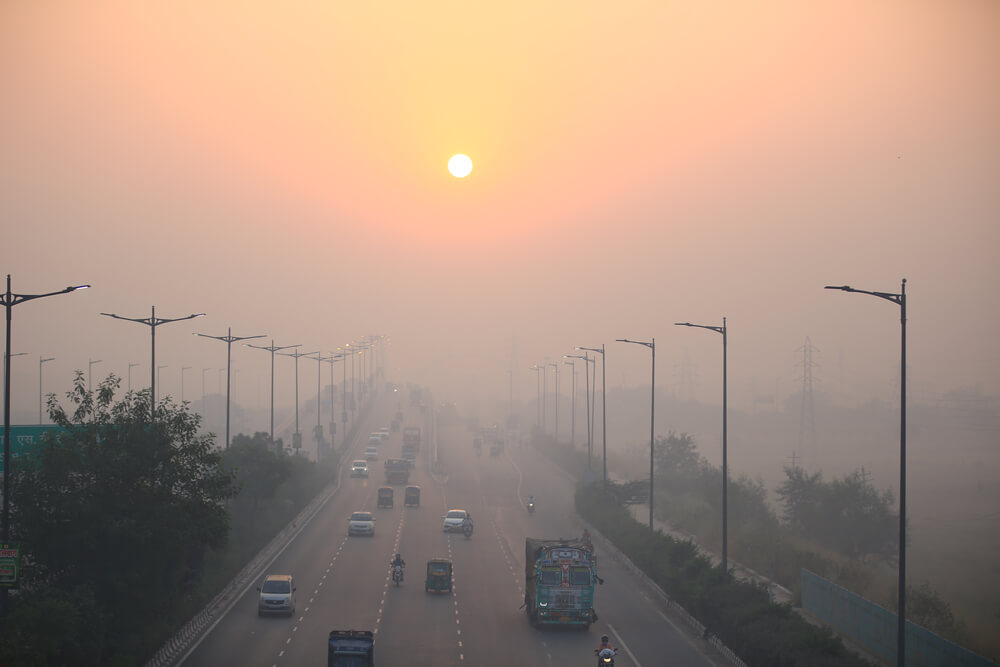
A severe cold wave has tightened its grip across large parts of northern India. Temperatures hover near zero in several northern states. The chill has intensified daily life disruptions and strained already fragile urban conditions.
Delhi records coldest morning of the winter
On Thursday, Delhi recorded its coldest morning so far this winter. The temperature dropped sharply to 2.9 degrees Celsius. Residents woke to dense fog and biting cold across the capital.
Sub-zero temperatures hit neighbouring states
In neighbouring Haryana, temperatures in some areas fell below one degree Celsius. Residents shared images of frost-covered cars and motorcycles online. The scenes highlighted the intensity of the cold wave across the region.
Cold wave expected to persist
The cold weather has continued for four consecutive days. Meteorologists expect the conditions to last until Friday. Authorities define a cold wave as minimum temperatures falling below four degrees Celsius in northern plains.
Travel disrupted by fog and poor visibility
The weather disrupted flight schedules and forced some train cancellations. In the early hours of Thursday, Delhi airport warned passengers about possible delays. Poor visibility caused by fog affected operations throughout the morning.
Homes struggle to cope with harsh winter
Most homes in India’s plains lack insulation for harsh winters. Many buildings do not include central heating systems. Residents often rely on temporary heating solutions during extreme cold.
Pollution worsens health risks
The cold spell coincides with hazardous air quality in many northern cities. Low winter temperatures trap pollutants close to the ground. This process reduces visibility and worsens pollution levels. Doctors warn of breathing problems among vulnerable groups, including children, older people, and those with existing health conditions.
