


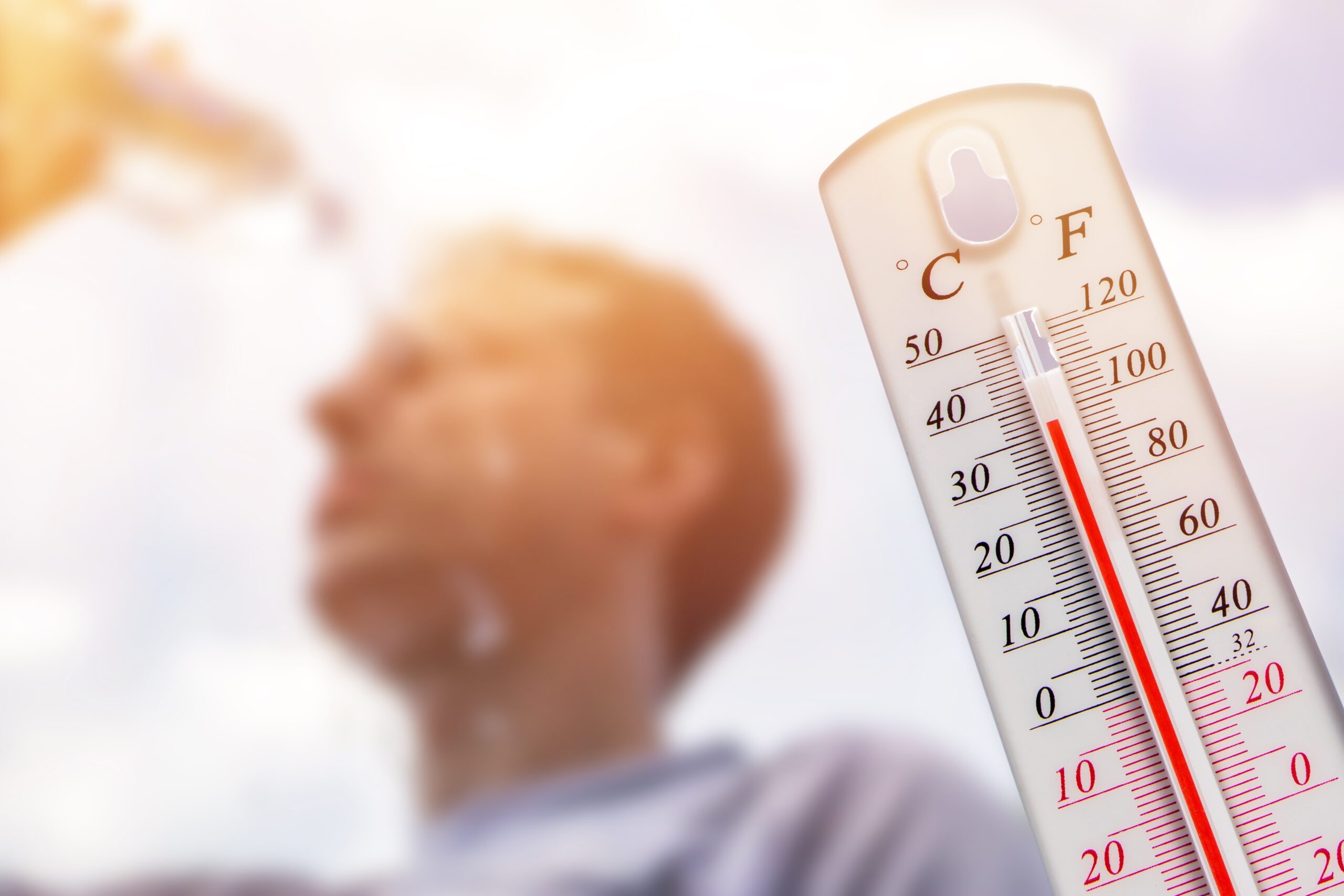
Workers face growing risks from extreme heat as climate change drives more frequent heatwaves, warns a new report by the World Health Organization and the World Meteorological Organization. Millions of employees suffer from heat stress, which harms their health and reduces their performance. The report urges governments, employers, and workers to cooperate on adaptation strategies to protect vulnerable populations.
Heat Stress at Work Poses Real Health Risks
Although the WHO has repeatedly highlighted the health dangers of extreme heat, this is its first dedicated report on workplace heat stress since 1969. Rüdiger Krech, WHO director of environment, climate, and health, emphasizes the urgency. He explains that prolonged work in temperatures above 38C can cause severe heat stress, stroke, kidney failure, and dehydration.
“Heat is not just discomfort. It is a serious health threat,” Krech said in a recent interview.
Heatwaves Are No Longer Rare
Adaptation is critical as extreme heat events become common. The World Meteorological Organization reports that the last decade included the hottest years on record, with 2024 set to be the hottest ever. In Europe, temperatures above 40C have become typical, while Africa and the Middle East may exceed 50C. Mercator data show the Mediterranean reached an average surface temperature of 26.68C in July, the warmest on record. The UK Met Office predicts this summer will rank among the warmest since records began in 1884.
Productivity Falls as Heat Rises
Extreme heat not only threatens health but also lowers workplace output. The report finds that productivity drops by 2% for every one-degree temperature increase above 20C. Workplace accidents also climb. During Europe’s 2023 heatwave, Switzerland’s national accident insurance fund, Suva, noted a 7% increase in accidents when temperatures surpassed 30C. Causes included fatigue, concentration lapses, and sleep disruption caused by heat.
Construction and agricultural workers face the highest risks. Several European governments have already introduced measures to protect employees. Italy recently signed an emergency decree with unions and employers to prevent work during the hottest hours. Swiss cantons Geneva and Ticino paused construction during the 2023 heatwave, a decision praised by Unia, the country’s largest trade union. Nico Lutz from Unia highlighted that building companies must accept delays rather than forcing unsafe work in extreme heat.
Schools and Vulnerable Groups Also at Risk
The WHO warns that the elderly, chronically ill, and children face heightened risks during heatwaves. Schools, like workplaces, need adaptation plans. In Germany, schools can declare “Hitzefrei” when temperatures rise beyond a set limit. Historically, 30C triggered early dismissal. Rising temperatures have made such closures impractical, and authorities now hesitate to disrupt lessons frequently. Krech notes that abrupt school closures, as experienced during Covid, can harm children’s learning, making simple solutions costly.
In Switzerland, teachers faced over 30C temperatures last week. Authorities suggested moving classes to swimming pools, but Dagmar Rösler, head of the Swiss teachers’ association, pointed out that this approach cannot cover all lessons. She urged renovating school buildings to include ventilation systems and air conditioning to create comfortable environments for students and teachers alike.
Adaptation Requires Collaboration and Investment
The WHO/WMO report stresses that adaptation requires coordination among governments, employers, local councils, and health and education authorities. Krech suggests considering practical measures such as adjusting school uniforms for heatwaves, a strategy that could help schools manage rising temperatures without major renovations.
However, adapting workplaces, schools, and hospitals to extreme heat demands investment. Many governments, particularly in Europe, prioritize defense spending, leaving climate adaptation underfunded. Krech warns that delaying changes could prove costly. Failing to invest may force production halts and exacerbate health impacts, ultimately harming productivity and creating higher expenses than proactive adaptation would.
