


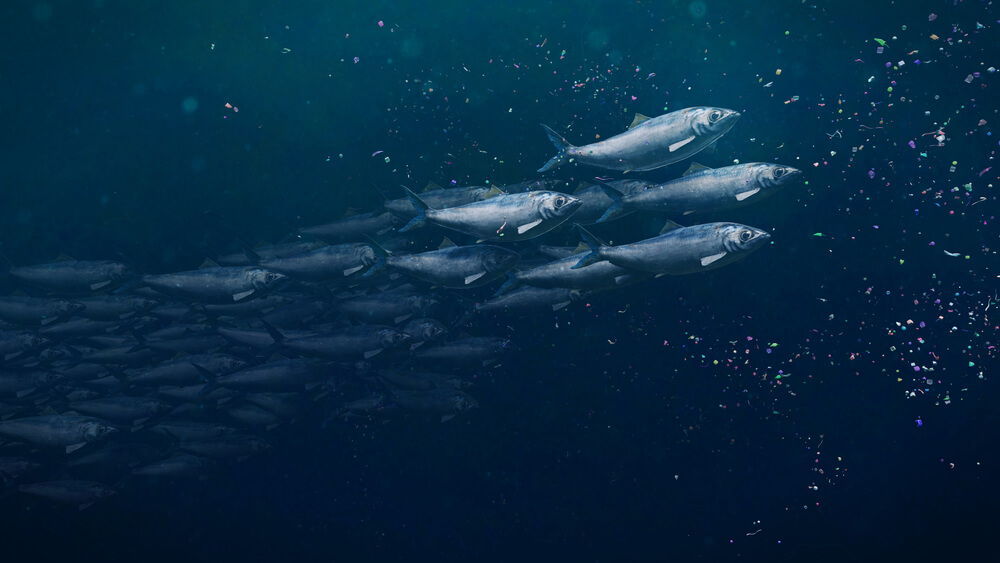
Researchers discovered microplastics in one out of three fish caught near Pacific islands, with Fiji showing the highest levels.
The study reveals that reef-dwelling fish silently absorb plastic pollution reaching even the most isolated waters.
Microplastics Reach Remote Pacific Waters
A new scientific analysis shows that plastic pollution now affects even the most distant Pacific coastal regions. Published on January 28, 2026, in the open-access journal PLOS One, the research finds that roughly one-third of fish near Pacific Island Countries and Territories contain microplastics. Jasha Dehm from the University of the South Pacific led the study and reported particularly high contamination in Fiji. Microplastics pose growing risks to marine ecosystems and human health. Despite their remoteness, Pacific islands face elevated exposure due to rapid urban growth and limited waste and water management systems. Coastal communities rely heavily on fish for food, income, and cultural practices, raising concern about long-term consumption of contaminated seafood. Until now, research on microplastics in commonly eaten Pacific fish remained scarce.
Survey of Fish Across Fiji, Tonga, Tuvalu, and Vanuatu
Scientists analyzed 878 coastal fish from 138 species caught by local communities in Fiji, Tonga, Tuvalu, and Vanuatu. The team relied on data from the Global Information Biodiversity Facility. About one in three fish contained at least one microplastic particle, but contamination varied significantly between islands. Fiji recorded the highest levels, with nearly 75% of sampled fish carrying microplastics, far above the global average of 49%. While many fish contained microplastics, the amount per individual remained low. In contrast, only about 5% of fish from Vanuatu showed contamination. Two species—the thumbprint emperor (Lethrinus harak) and dash-and-dot goatfish (Parupeneus barberinus)—appeared across all four countries and showed higher contamination in Fiji than elsewhere.
Feeding Habits Influence Plastic Ingestion
Researchers investigated why some fish ingest more microplastics. Using a global database, they linked ecological traits—such as diet, habitat, and feeding behavior—to contamination levels. Fish living on reefs or near the seafloor contained more microplastics than species in lagoons, coastal waters, or the open ocean. Bottom feeders, invertebrate hunters, and ambush predators showed particularly high contamination compared to other fish. These findings highlight how ecological traits shape exposure to synthetic pollution.
Implications for Pacific Communities
The study underscores how microplastic pollution now penetrates even the remotest marine environments. Researchers suggest Fiji’s higher contamination stems from denser populations, extensive coastal development, and less effective waste management compared to neighboring islands. Understanding which ecological traits increase exposure can guide policymakers to protect the most vulnerable ecosystems and communities. Jasha Dehm explains, “High contamination in reef-associated species confirms that ecological traits predict exposure, while national differences reveal failures in waste management systems.” Dr. Amanda Ford adds, “Pacific communities rely heavily on fish as primary protein, so locally generated evidence is vital for shaping national policies during Global Plastics Treaty negotiations.”
A Warning for Food Security and Plastic Policy
Dr. Rufino Varea emphasizes that the study highlights the vulnerability of Pacific food systems. Reef-associated and bottom-feeding fish, vital to subsistence fishers, act as reservoirs for synthetic pollution. In Fiji, nearly three-quarters of sampled fish contained microplastics, mostly fibers from textiles and fishing gear. This finding challenges assumptions that marine litter is solely a visible coastal problem and shows pervasive contamination in local diets. The data proves remoteness does not protect communities and supports calls for a Global Plastics Treaty. Strict limits on primary plastic production and toxic additives remain the only viable solution to protect Pacific health and food security.
Study Funding
The research received support from the Asia Pacific Network for Global Change Research under project CRRP2022-05MY-Ford. The project focused on establishing marine plastics baselines and integrating indigenous knowledge with ocean policy to improve Pacific livelihoods. Funders only sponsored the project and did not influence study design, data collection, analysis, publication decisions, or manuscript preparation.
