


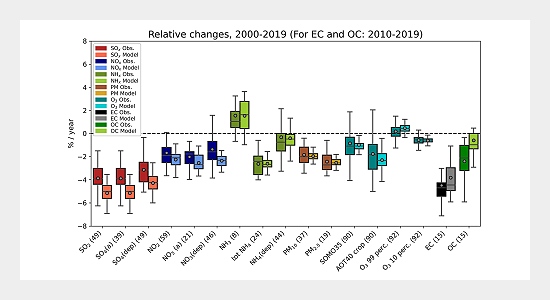
European air quality across the continent is steadily improving. Recent data shows that most air pollution monitoring stations now meet current European Union annual limits for key harmful pollutants. This marks a positive step toward cleaner air for millions of Europeans.
Monitoring stations in countries across Europe have reported lower levels of pollutants such as nitrogen dioxide, particulate matter, and ozone. These levels now generally comply with the EU’s present annual limits. Experts say this progress reflects successful policies, cleaner energy use, and reduced emissions from transport and industry.
Despite these gains, some areas, especially large cities, still struggle to fully meet air quality requirements. Urban centers tend to have higher traffic volumes and industrial activity, which can push pollution levels above recommended thresholds. Local governments are urged to adopt additional measures to improve air quality. Suggested strategies include expanding low-emission zones, promoting public transport, and encouraging the use of cleaner fuels.
Improving air quality in cities is crucial not only for meeting EU standards but also for protecting public health. Poor air quality has been linked to respiratory illnesses, cardiovascular problems, and premature deaths. Reducing pollution in urban areas can have immediate health benefits for residents.
The EU recently agreed on stricter air quality standards to be implemented by 2030. These new rules aim to cut emissions further and ensure long-term health and environmental benefits. Meeting these future standards will require ongoing efforts across all European nations, particularly in densely populated urban areas. Authorities emphasize that sustained investment in monitoring, pollution control, and green technologies is key. Cleaner transportation, energy efficiency, and industrial reforms will play major roles in achieving long-term air quality goals.
Overall, Europe’s air quality improvement shows that coordinated policy actions can work. Countries that have adopted clean energy, strengthened emission controls, and promoted sustainable mobility are already seeing tangible benefits. While challenges remain, especially in urban centers, experts remain optimistic. Continued investment and stricter measures will help Europe reach both current and future air quality standards. Cleaner air promises healthier communities and a more sustainable environment for generations to come.
