


Once dismissed as pure science fiction, space-based solar power is moving closer to reality and could reshape global renewable energy. In 1941, Isaac Asimov imagined astronauts teaching a robot to run a solar station that beamed energy across the Solar System. While purely fictional at the time, this story sparked ideas that scientists began exploring within two decades, asking if renewable energy could eventually operate beyond Earth.
What space-based solar means for energy
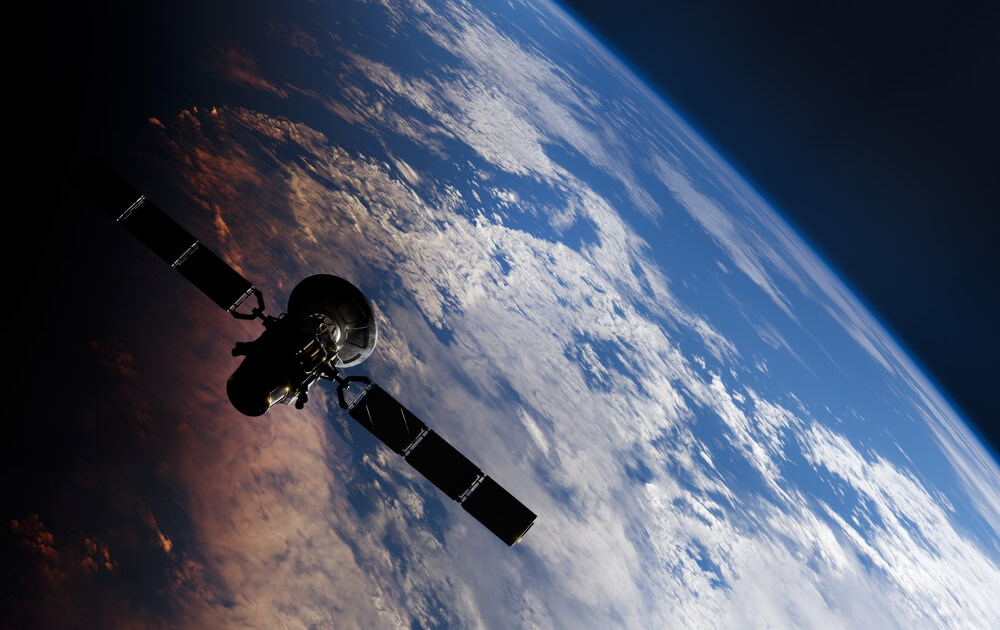
Space-based solar power (SBSP) relies on a network of massive satellites in high-earth orbit, where sunlight is almost constant. These satellites capture energy through mirror-like reflectors and transmit it to a fixed point on Earth. The energy converts to electricity and feeds directly into grids to power homes and businesses. A recent study by the UK Department for Energy Security and Net Zero (DESNZ) predicts small-scale SBSP could compete with commercial power sources by 2040. Connecting satellites to existing infrastructure, like offshore wind farms, could accelerate cost-effectiveness.
Could it end our reliance on fossil fuels?
Despite the growth of renewables, global dependence on fossil fuels lingers. The COP30 climate summit in Belém last year highlighted the divide, with over 90 nations backing plans to phase out fossil fuels, yet these goals were excluded from the final agreement. Still, the EU achieved a milestone in 2025 as wind and solar produced more electricity than fossil fuels for the first time, while fossil energy fell from 36.7% to 29% of the bloc’s electricity mix.
“All renewable technologies must contribute to fighting climate change, especially as energy demand is expected to double by 2050,” says Dr. Adam Law, a research associate at Loughborough University’s Centre for Renewable Energy Systems Technology (CREST). Intermittency, weather, and aging grids still cause significant challenges, forcing Britain to waste £1.47 billion by shutting down wind turbines and activating gas plants. “Space offers more sunlight—1,367 W/m² uninterrupted, compared to a maximum of 1,000 W/m² at the equator and about 100 W/m² in the UK,” Law adds, emphasizing that satellites almost constantly see the sun.
Costs and challenges of taking solar into space
On Earth, solar energy is often the cheapest power source, producing electricity at roughly €0.023 per unit in sunny regions. Installation remains cheaper and faster than wind power. In contrast, SBSP development could require €15.8 billion in research and development to build a first gigawatt-scale orbital prototype. “Launching and assembling these structures is enormous, so early costs will be high,” Law explains.
Launch costs have fallen dramatically, driven by SpaceX and reusable rockets, making SBSP more feasible. Producing solar cells that withstand radiation while remaining affordable is critical. Startups such as Space Solar in the UK and Virtus Solis in the US work on developing SBSP with public and private funding. Yet, maintaining satellites is challenging due to potential orbital debris. Modular designs and strict safety measures for power beams are essential to protect humans and wildlife.
NASA warns that SBSP could emit greenhouse gases comparable to current renewables, but still far below fossil fuel emissions. Law emphasizes, “Implementing SBSP will be difficult, but its potential makes it worth pursuing.”
Security concerns in space
SBSP systems could become targets for hostile states aiming to disrupt energy supply. Even North Sea offshore wind farms sparked concerns about sabotage. Investigations in Denmark, Norway, Sweden, and Finland revealed Russia used disguised vessels to surveil wind farms and communication cables, mapping potential attack sites.
“Critical infrastructure is always attractive to cybercriminals and state actors seeking disruption,” a Frazer-Nash report states. The report recommends integrating security into satellite design from the start, fostering multinational partnerships, monitoring threats continuously, and securing supply chains. “Ignoring security early could limit SBSP’s potential before it begins,” the report concludes.
Space-based solar promises nearly constant renewable energy, offers a path beyond fossil fuels, and could redefine global power grids. Its challenges, from cost and technology to safety and security, remain significant, but its potential impact makes the effort compelling.
