


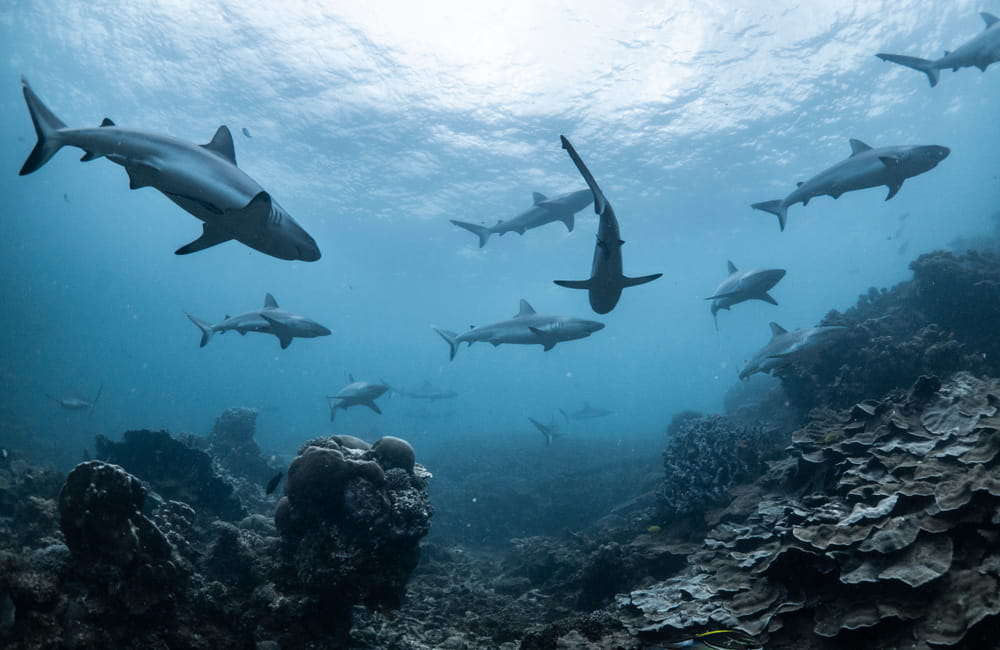
Long-term ocean warming is causing a sharp and persistent loss of marine life, new research has found. Fish populations fall by about 7.2% for every 0.1C of seabed warming per decade.
Scientists analysed year-to-year changes in 33,000 populations across the northern hemisphere between 1993 and 2021. They separated the impact of gradual warming from short events such as marine heatwaves. In some cases, biomass dropped by nearly 20% in a single year.
Lead author Shahar Chaikin said faster warming leads directly to faster fish losses. He warned that small temperature increases create large declines when they accumulate across entire ocean basins.
The study also showed that heatwaves can briefly boost some species. These short-term gains often hide long-term damage from climate change. Fish at the cold edge of their range can expand, while those in already warm regions decline.
This pattern risks misleading policymakers. Temporary increases may suggest healthy stocks even as overall biomass falls.
Some scientists stressed that overfishing still plays a major role in global declines. They said warming and falling oxygen levels now worsen that long-standing pressure.
Researchers warned that marine ecosystems are highly sensitive to even tiny temperature rises. They said every fraction of a degree of additional warming will bring further losses that management plans cannot easily reverse.
