


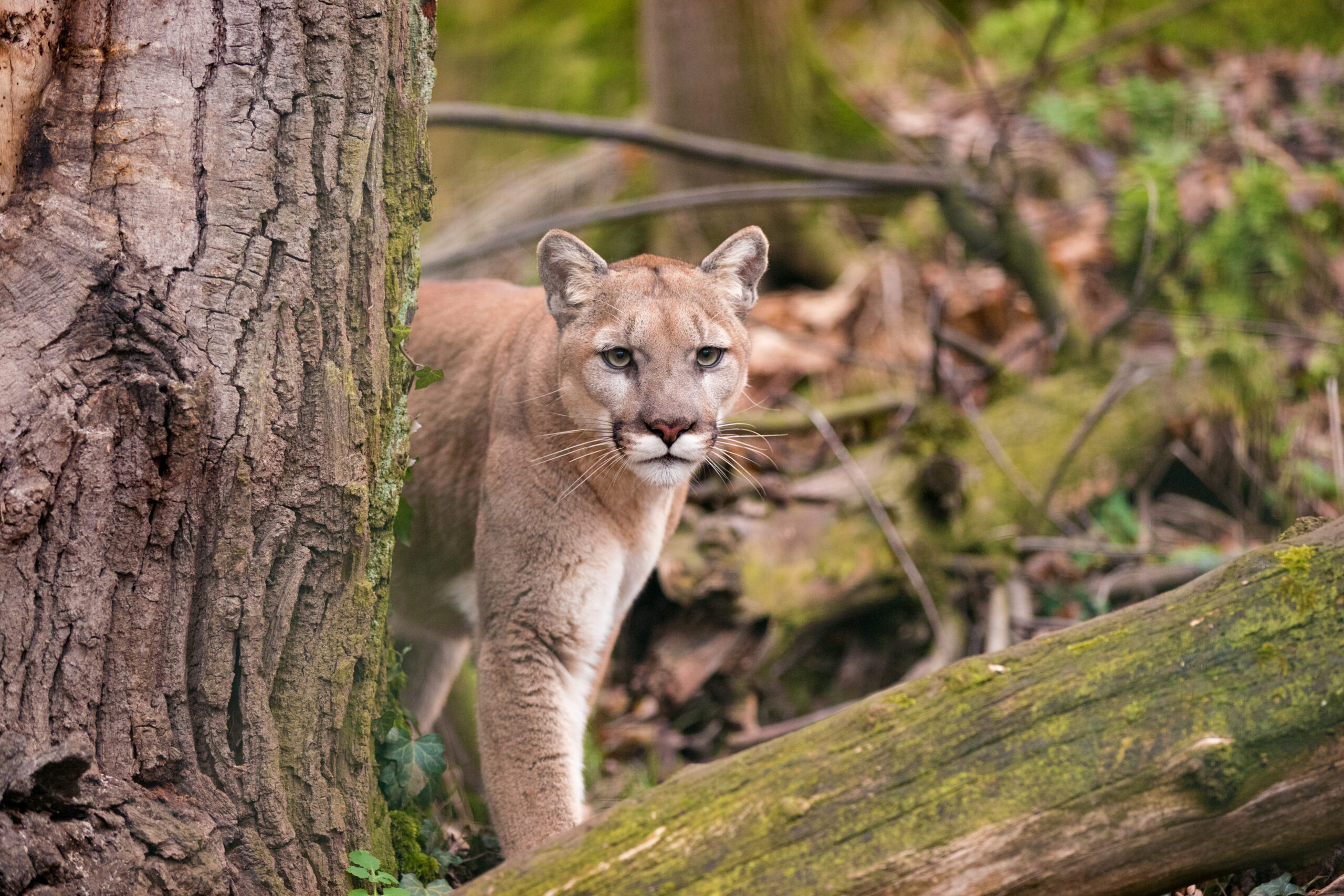
Mountain lions may one day roam the forests of New England again if a growing rewilding movement succeeds in bringing the long-missing predator back to the region.
The big cats, also known as cougars or catamounts, were wiped out in northern New England by 1881. Today, the nearest confirmed breeding population lives over 2,000 miles away in North Dakota. But occasional sightings in Vermont, New York, Kansas and other states suggest the species is slowly expanding its range eastward.
In Vermont, the organization Mighty Earth is actively campaigning to support the catamount’s return. According to polling by its affiliate Bring Catamounts Home, Vermonters favor reintroduction by a margin of 12 to 1. The group argues that mountain lions once played a crucial ecological role, and restoring them would help rebalance deer populations, reduce forest over-browsing, bolster biodiversity, and even reduce risks like Lyme disease and deer–vehicle collisions.
Concerns remain about livestock safety and human encounters, though attacks are extremely rare – only 30 fatal incidents in the US over more than a century. With forests regrown since the late 19th century and deer populations booming, supporters say the landscape is more suitable than ever for their return.
Rewilding advocates see Vermont as part of a larger opportunity to restore lost species and natural ecological processes across the US. Examples elsewhere – beaver recovery, wolf reintroduction in Yellowstone, and the Florida panther project – show how large predators can help repair ecosystems.
Mountain lions might recolonize the north-east naturally over the coming decades, migrating gradually along the Appalachian range. But reintroduction could accelerate the process. Because mountain lions are not federally protected, Vermont could move forward with studies or pilot projects without federal approval.
If the cats return successfully, some ecologists envision a future where other missing species – elk, bison, even wolves – could one day be restored to the region.
For now, the idea remains in the public discussion phase, but interest is growing. As one researcher put it: with forest cover restored and deer abundant, New England may be “ready for mountain lions again.”
