


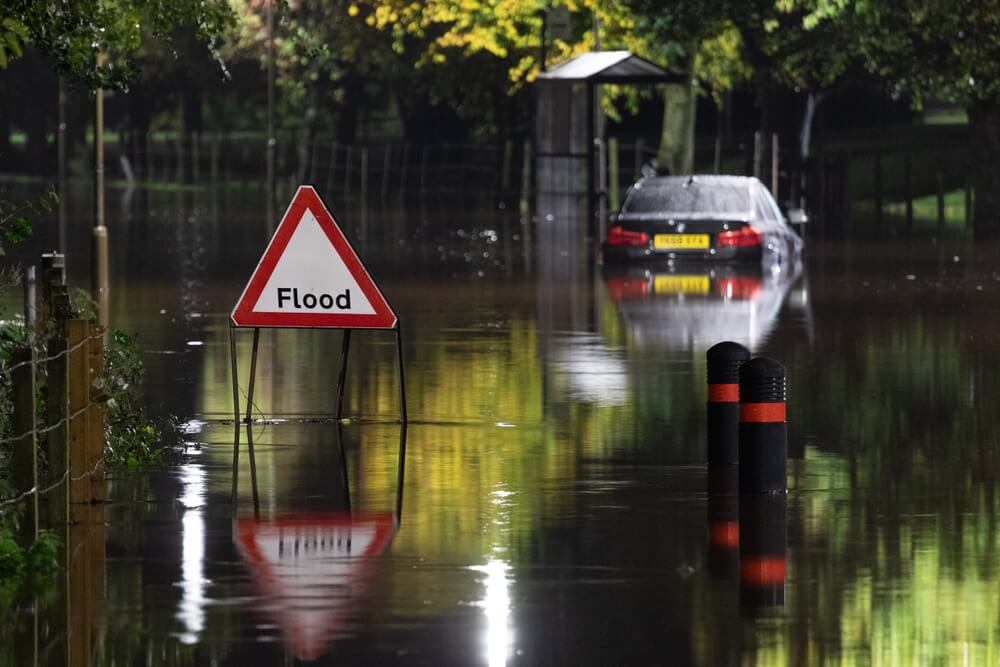
Areas across the UK from Cornwall to County Down recorded their wettest January on record, and heavy rain continued in February. The country experienced intense rainfall in the last week because a blocked weather pattern trapped wet air over the region. A high pressure system over Scandinavia stopped the weather system from moving away and prolonged the downpour.
The Met Office estimates that at current warming levels, wet winters like 2023/24 shifted from once every 80 years to once every 20 years. Further warming could make such winters even more common. This shift could seriously affect housing, transport, and food supply chains.
A farmer in Somerset said he lives on a knife edge because floodwater could destroy his crops within days.
Wetter winters are becoming more common
On Tuesday, more than 100 locations across the UK faced flood warnings, and floodwater damaged more than 300 homes, according to the Environment Agency. Continuous rainfall mirrored recent patterns of increasingly wet winters. Six of the ten wettest winters since records began nearly 250 years ago occurred in this century.
Natural variability still influences UK rainfall, but the trend toward wetter winters matches climate projections. Human activity increased greenhouse gas emissions from coal and oil, which warmed the planet.
A one degree temperature rise allows the atmosphere to hold seven percent more moisture, which intensifies rainfall. Sea levels around the UK also rise faster because warmer oceans expand and glaciers melt. Since 1901, sea levels increased by 20 centimetres, and storm surges now worsen coastal flooding.
How much wetter could winters become?
The UK currently experiences about seven days each year with rainfall above 80 millimetres per day, which counts as heavy rainfall. Thirty millimetres in one hour usually triggers flash flood warnings. The Met Office says that warming above two degrees could increase heavy rainfall days to nine annually.
Even with current emissions policies, global temperatures could rise by at least 2.5 degrees by the end of the century, according to the United Nations. Scientists also observe rainfall clustering into longer sequences, which saturates soils and worsens flooding. Prof Lizzie Kendon said successive rainfall events saturate the ground and intensify flood risks.
What damage do wetter winters cause?
Heavy rainfall and saturated soils damage homes, transport infrastructure, and food production systems. The Environment Agency estimated that by 2050 one in four UK properties could face flood risk. The agency included climate change impacts in its assessment for the first time. The East Midlands, Yorkshire and The Humber, and south-east England face especially high risks.
Building more homes on floodplains would increase these risks. The UK government plans to build 1.5 million homes, and some regions already build more than ten percent of new homes in flood-prone zones. A third of railways currently face flood risk, and government figures show more than half could face risk within 25 years.
The National Farmers Union warned MPs that farmers experience droughts and floods every year, which severely affects food production. The wet winter of 2024 caused about £1bn in crop losses. James Winslade, a Somerset farmer, said recent floods submerged more than 90 percent of his farm, and his crops could rot within days. He said previous generations never experienced flooding at this frequency or scale.
The UK maintains an extensive network of flood defences, but multiple organisations manage them. The Environment Agency maintains about half of the defences, and nine percent fail to meet their target condition. Independent analysis showed defences outside agency control were 45 percent more likely to fall below standard.
New development worsens flooding because paved surfaces prevent water absorption and increase runoff into rivers and drains. An Environment Agency spokesperson said climate change causes more extreme weather and flooding, and communities must adapt. The government plans to invest £10.5bn to protect 900,000 additional properties by 2036.
