


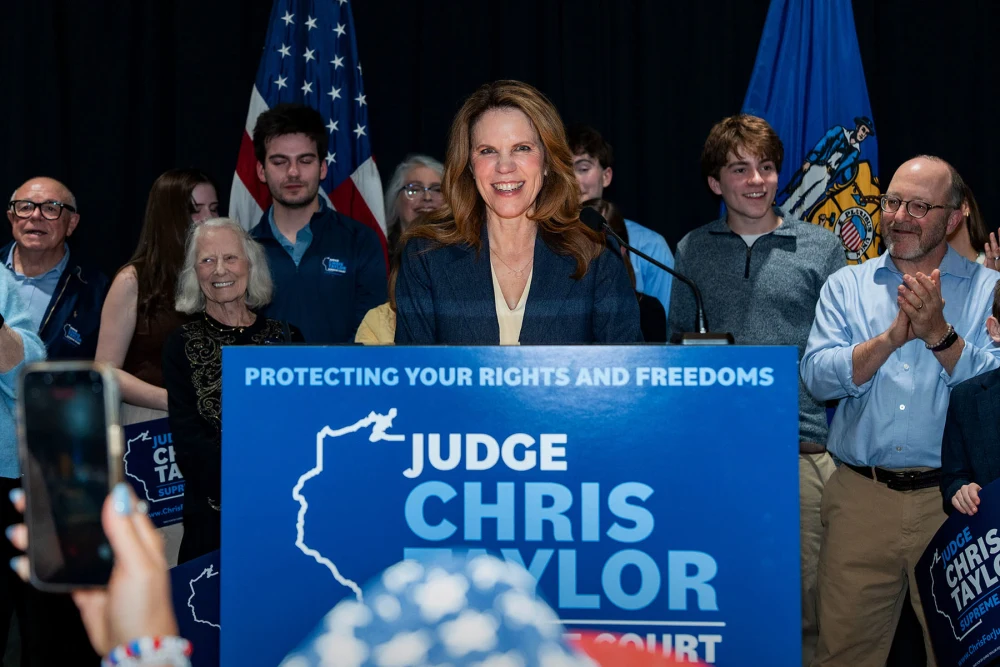
A liberal-backed candidate has won a seat on the Wisconsin Supreme Court, increasing the court’s progressive majority in a significant political development for the state. The election outcome reflects shifting voter priorities and could influence key legal decisions in Wisconsin for years to come.
The candidate’s victory is seen as a major win for progressive groups and advocates. Analysts note that the expanded majority may affect rulings on issues such as voting rights, labor laws, environmental regulations, and state-level reforms. The result underscores the importance of judicial elections in shaping state policy and legal interpretations.
Voter turnout and engagement played a critical role in the outcome. Communities across Wisconsin showed strong participation, reflecting heightened interest in the composition of the state’s highest court. Political observers say the result signals public support for a judiciary that aligns with progressive priorities on social and economic issues.
The liberal-backed candidate ran on a platform emphasizing fairness, transparency, and protection of individual rights. Campaign messaging focused on strengthening public trust in the judiciary and ensuring equal access to justice for all residents. These themes resonated with voters, particularly in urban areas and among younger demographics.
The Wisconsin Supreme Court election also highlights broader trends in state-level politics. Judicial races increasingly serve as a proxy for ideological battles, with national and local groups investing in campaigns to influence court composition. The latest victory contributes to a growing progressive presence in Wisconsin’s legal landscape.
Political analysts suggest that the court’s new composition could impact upcoming legislative debates and executive actions. With a strengthened progressive majority, the court may take a more active role in reviewing state laws and policies, especially those related to education, healthcare, and civil rights.
This election result follows a series of closely watched state judicial races across the country, where voter preferences have often reflected broader national trends. Wisconsin’s outcome underscores the importance of local judicial elections in shaping governance and legal interpretation at the state level.
Observers also point out that the liberal candidate’s win may influence future elections. The court’s progressive majority could affect redistricting decisions, election law cases, and other high-profile legal matters, giving the court a long-term role in shaping Wisconsin’s political landscape.
Public reaction to the Wisconsin Supreme Court election has been largely supportive among progressive communities, while some conservative groups expressed concern about potential shifts in judicial priorities. The election demonstrates how judicial appointments and elections have tangible effects on state governance and policy implementation.
The victory also reinforces the significance of grassroots organizing and voter mobilization. Local advocacy groups and community leaders played a key role in informing voters about the stakes of the election and encouraging participation. Analysts say continued engagement will be essential for both parties in future judicial contests.
Overall, the Wisconsin Supreme Court election outcome marks a turning point in state politics. With the liberal-backed candidate joining the bench, the court’s progressive majority is better positioned to influence critical legal decisions and advance policies that reflect evolving voter priorities. The election highlights the growing impact of judicial elections on state governance and the importance of public involvement in shaping the judiciary.
