


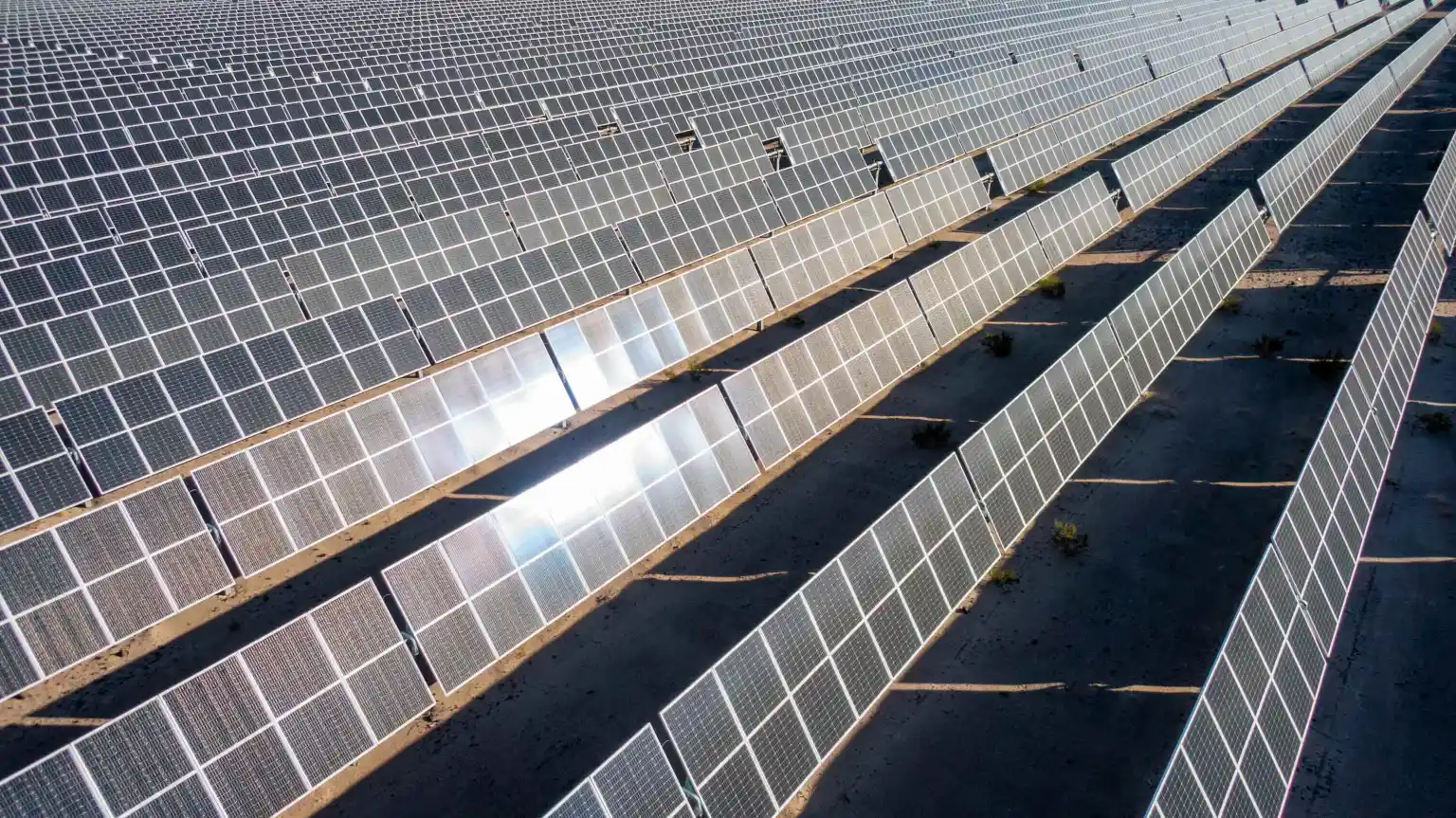
Clean energy infrastructure is reaching communities across the United States through federal investment programs. Recent reports show that major funding for clean energy and transit projects is being directed to cities and towns across party lines. Analysts say these programs demonstrate bipartisan progress and bring economic and environmental benefits to local communities.
The investments support renewable energy projects, public transit upgrades, and energy-efficient infrastructure. By funding solar, wind, and grid modernization projects, federal programs are creating new jobs in construction, engineering, and green technology. Observers note that the impact extends to local economies, providing long-term benefits for residents and businesses alike.
Federal funding has been distributed to both urban and rural areas, ensuring that communities nationwide can benefit from modern infrastructure. Analysts highlight that clean energy infrastructure initiatives help reduce energy costs, improve environmental quality, and strengthen regional resilience. The programs are also encouraging private investment alongside public funds, increasing overall economic growth.
In addition to economic benefits, these programs are improving access to public transit and sustainable energy solutions. Communities are seeing new transit lines, upgraded energy grids, and modernized public facilities that contribute to better quality of life. Experts say this approach helps reduce the environmental impact of transportation and energy systems while creating inclusive opportunities for all regions.
Bipartisan support has been key to the success of these investments. By directing funds across party-line states, the programs show that clean energy infrastructure can unify local and national priorities. Analysts suggest that such efforts strengthen public trust and demonstrate how strategic funding can drive economic and environmental goals simultaneously.
The initiatives are also expanding workforce opportunities in clean energy sectors. Training programs and local hiring practices are helping residents gain skills in renewable energy, engineering, and construction. Experts predict that as these programs continue, they will contribute to sustained economic growth and more resilient communities across the country.
Overall, clean energy infrastructure investments are reshaping local economies and improving access to sustainable solutions. By targeting diverse communities and encouraging bipartisan cooperation, federal programs are creating jobs, enhancing transit, and supporting a greener and more equitable future for the nation.
