


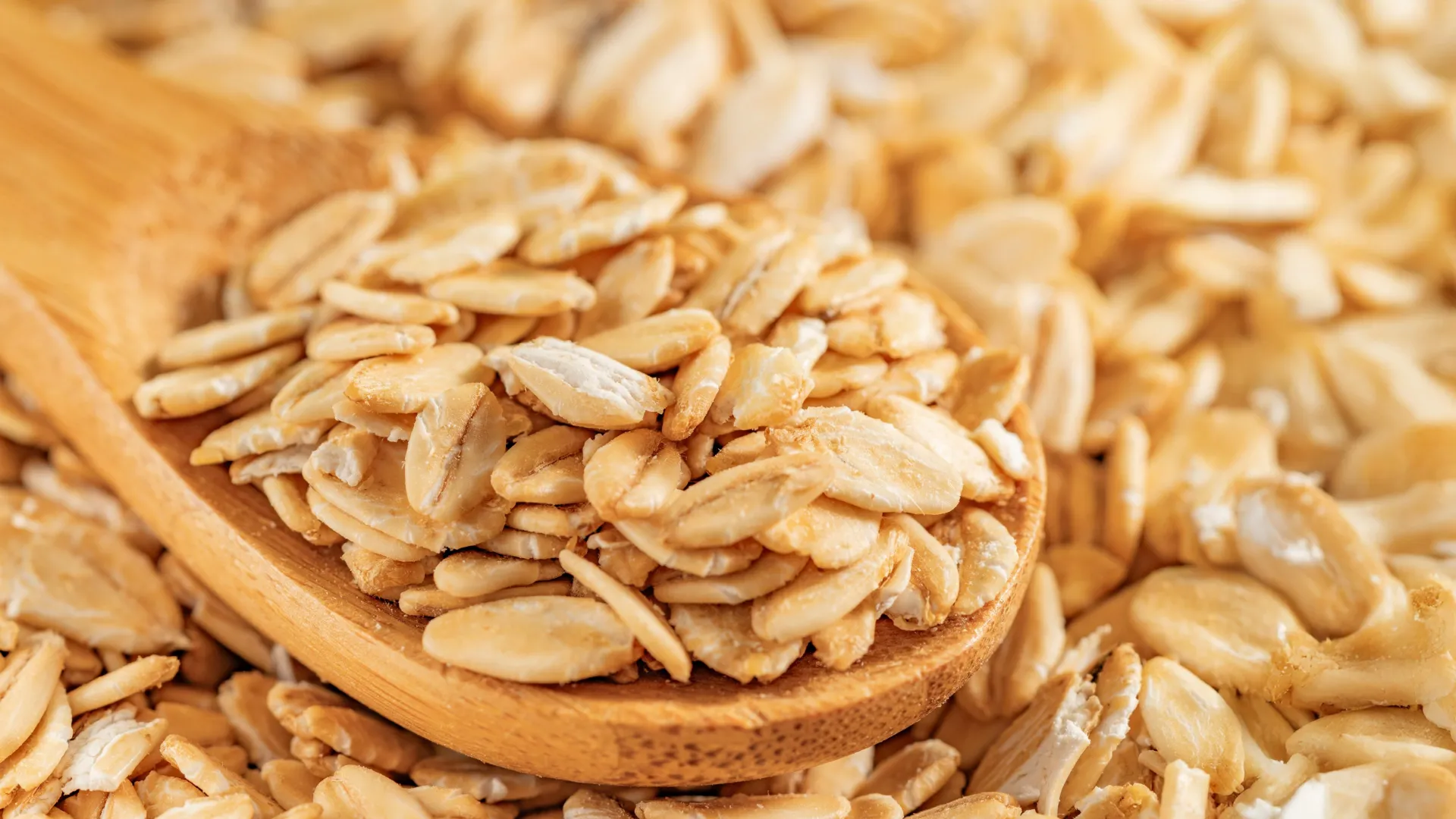
A new clinical study shows that eating oatmeal for just two days can reduce harmful LDL cholesterol levels. Researchers say this simple nutrition change may offer significant heart-health benefits without complex diet plans.
Oatmeal lowers LDL cholesterol by providing soluble fiber, which helps remove excess cholesterol from the bloodstream. This short-term effect could help people reduce cardiovascular risk even with minimal dietary changes.
In the study, participants consumed a measured portion of oatmeal over two consecutive days. Blood tests revealed a noticeable drop in LDL cholesterol, often referred to as “bad cholesterol.” Scientists describe this as a promising, fast-acting nutrition intervention.
Experts say oatmeal lowers LDL cholesterol quickly because soluble fiber binds to cholesterol in the digestive system. This prevents it from being absorbed and helps the body flush it out naturally. The effect can be seen in as little as 48 hours, according to the study.
Heart disease remains a leading cause of death worldwide. Small dietary improvements, like adding oatmeal, could provide an accessible way to improve cardiovascular health and lower long-term risks.
Nutritionists highlight that oatmeal lowers LDL cholesterol while offering other health benefits. It is low in calories, helps regulate blood sugar, and supports digestive health. This makes it an ideal choice for individuals seeking a simple, effective diet adjustment.
Dr. Anna Patel, a lead researcher on the study, said, “Our findings show that even a short-term intake of oatmeal can make a measurable difference in cholesterol levels. It’s an easy and affordable step toward better heart health.”
The study also suggests that consistency is key. Regular consumption of oatmeal could provide sustained reductions in LDL cholesterol and improved overall heart function. Combined with other healthy habits, this simple food could have lasting benefits.
Researchers note that the type of oatmeal may matter. Steel-cut or rolled oats are recommended for maximum fiber content. Instant oat varieties can also work but may contain added sugars that reduce the heart-health benefit.
Oatmeal lowers LDL cholesterol without side effects, making it safer than some medications for mild cholesterol management. Patients who struggle with elevated cholesterol may consider adding oatmeal as part of a broader lifestyle approach that includes exercise and balanced nutrition.
Public health experts believe this finding could influence dietary guidelines. Promoting oatmeal as an easy, quick way to lower cholesterol could help reduce heart disease rates globally, especially in areas where access to healthcare is limited.
Even for those with busy schedules, oatmeal provides a practical option. A simple bowl in the morning can produce measurable health effects in just two days, making it one of the fastest dietary interventions available.
Overall, the study highlights how minor, accessible changes in diet can produce significant health benefits. Oatmeal lowers LDL cholesterol quickly, improves heart health, and can be a key component of a healthier lifestyle.
