


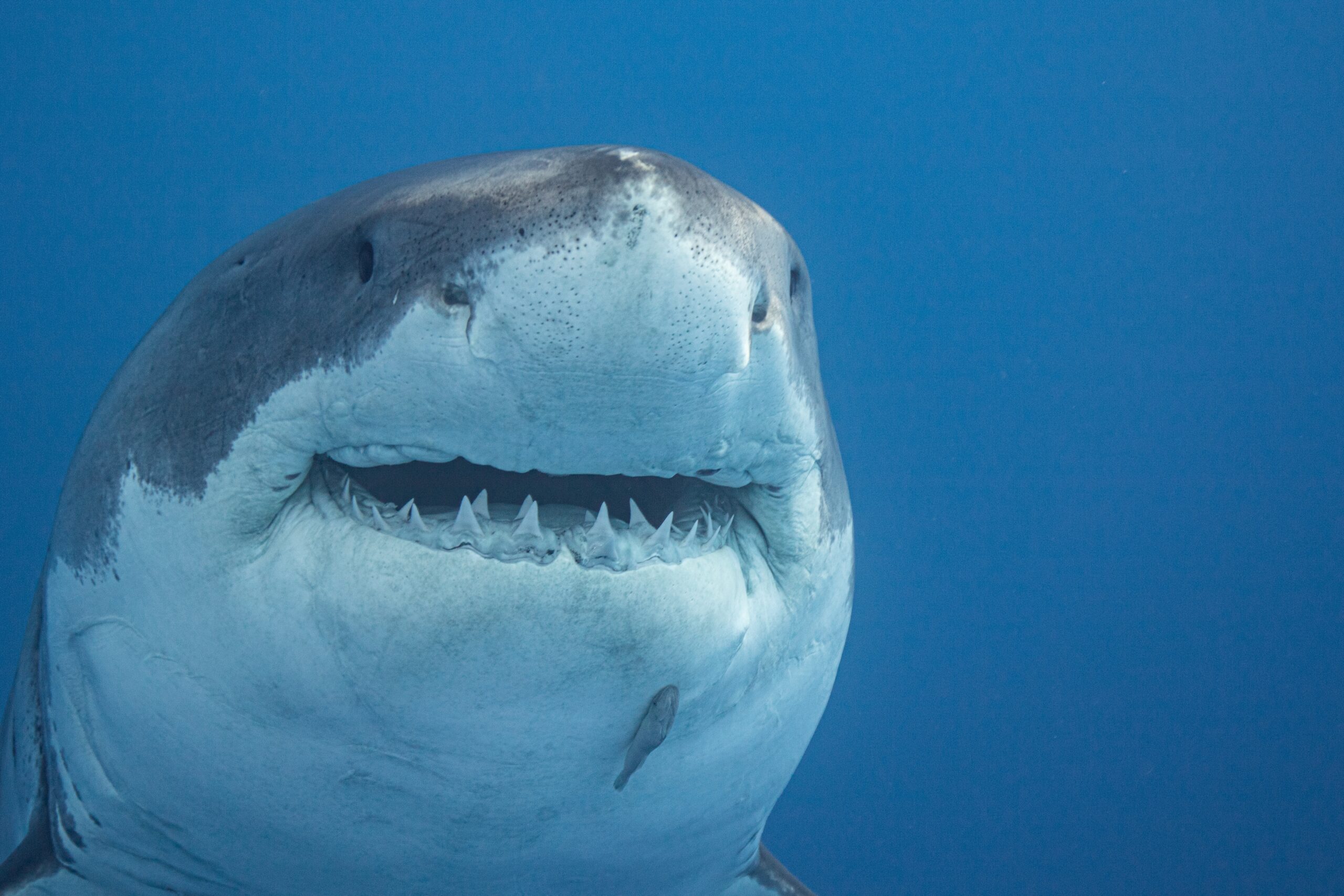
Great white sharks vanished from South Australia’s Neptune Islands for two months in 2015. Scientists are still investigating the cause.
Many researchers blamed the sudden absence on a deadly encounter with orcas. Six killer whales killed a great white in February that year. Similar events in South Africa had triggered rapid shark departures.
Orcas are the only known natural predators of great whites. Some hunt with precision and remove the shark’s liver. When they appear, white sharks usually flee the area.
A new study suggests the explanation is more complex. Researchers examined 12 years of sightings data from 2013 to 2024. They also analysed acoustic tracking records to map shark movements.
The data confirmed that sharks react immediately to an orca attack. A dying shark releases warning chemicals that signal danger to others. This can drive nearby sharks away.
The long disappearance, however, cannot be linked to that event alone. Environmental conditions and natural movement patterns may also influence their absence.
Dr Isabella Reeves from Flinders University said orcas can trigger a rapid response. She stressed they are not always the sole cause of extended shark disappearances.
