


High-Rise Hunting Grounds
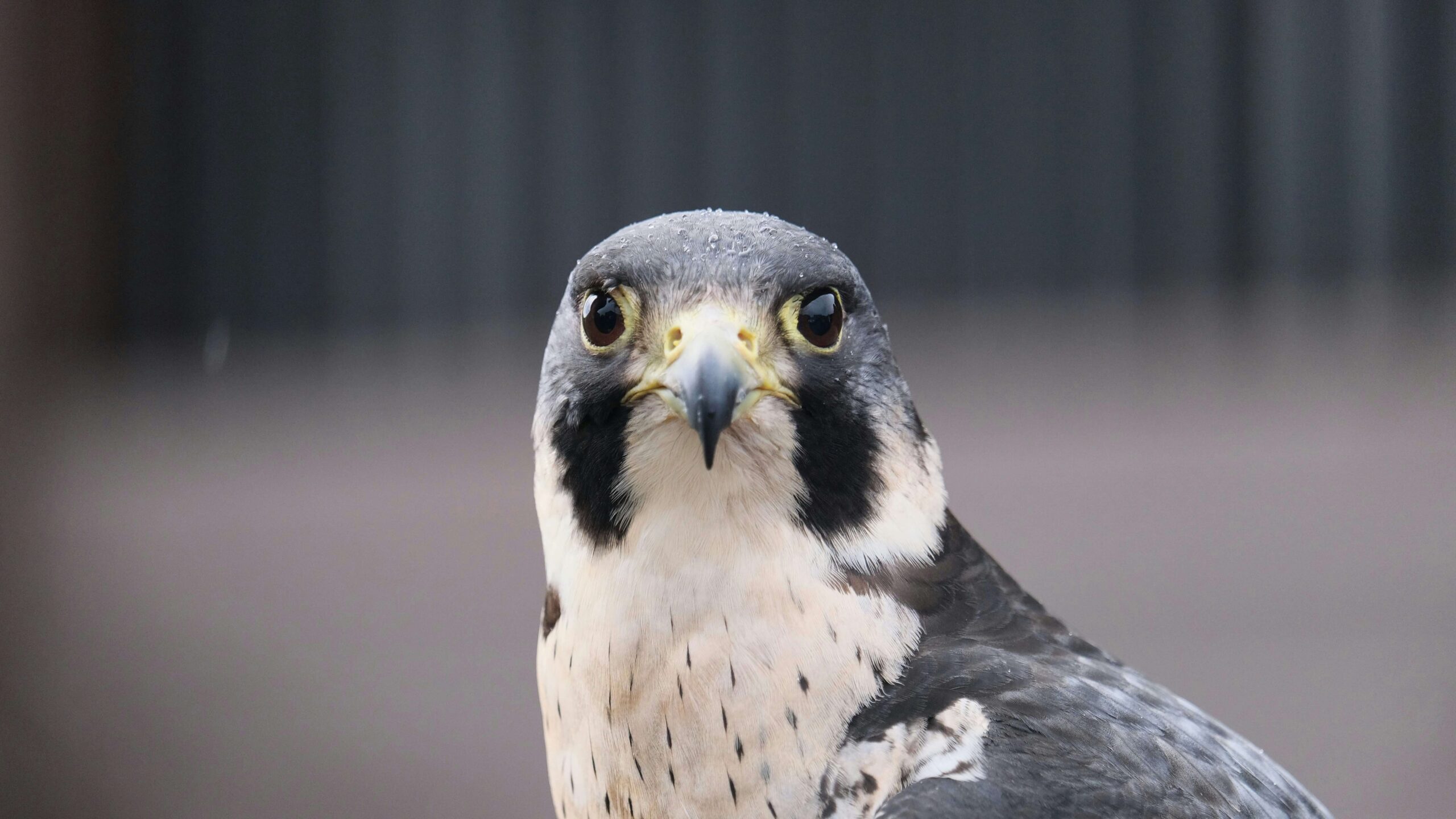
A pair of peregrine falcons have taken up residence atop Arlington House, one of the tallest buildings in Margate, Kent. Normally found along rocky coastlines, these birds of prey now see the 18-storey building as a perfect cliff-like perch. Thanet environmentalist Nik Mitchell explains, “The peregrines use the high vantage point to swoop down on pigeons and other small birds before bringing them back up top to devour.”
Mitchell first spotted the falcons while attending an outdoor concert at nearby Dreamland and soon gained access to the building’s roof to observe their activity. He found evidence of their hunting success, with feathers scattered across the rooftop, although some eggs had failed to survive due to exposure and damp conditions.
A Custom Nesting Box
To help the falcons raise their young, Mitchell has built a specially designed nesting box on the roof. The box features a gravel base for drainage and warmth, an open front to prevent occupation by other birds, and a Brutalist-inspired design to complement Arlington House. Roof access will be restricted from March to late summer to give the birds the best chance of success.
Mitchell hopes that if the falcons successfully raise chicks, more nesting boxes will be installed on other tall buildings in the area to accommodate their territorial nature.
Urban Raptors on the Rise
Peregrines are the UK’s largest falcons, capable of reaching dive speeds of up to 200 mph (321 km/h) when hunting. Once threatened in the 1960s by human persecution and pesticide use, legal protections have helped their populations recover. Today, peregrines are increasingly found in urban settings, thriving on city rooftops where they can hunt and nest safely.
