


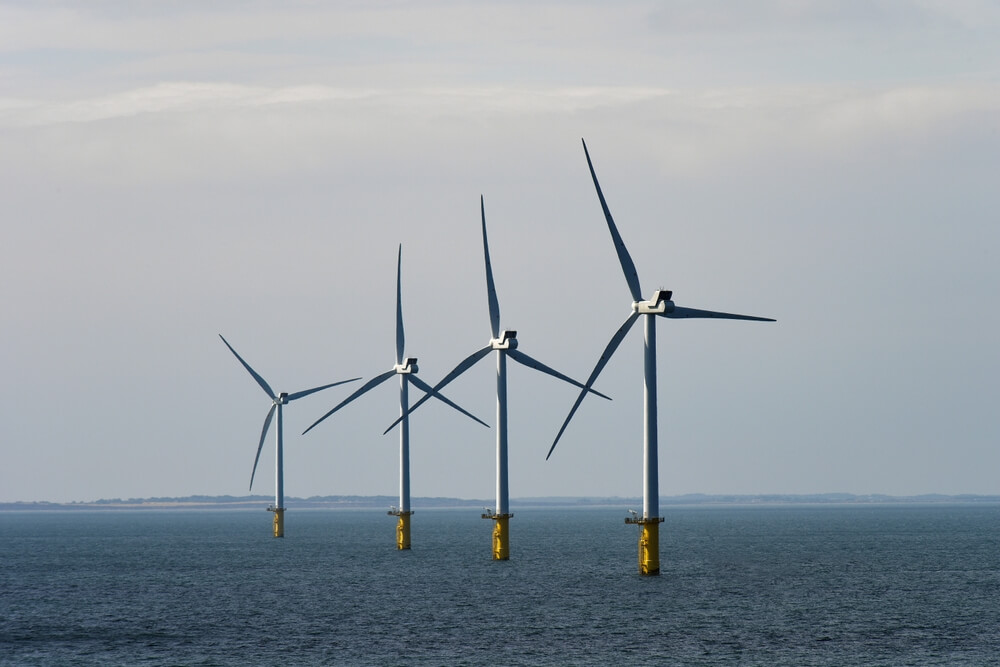
Portugal led the European Union in renewable electricity production in January 2026, driven by surges in hydro and wind power. The Portuguese Association for Renewable Energies (APREN) reported that 80.7 per cent of the country’s electricity last month came from renewable sources. This marks Portugal’s best performance in nine months and moves the nation to second place in Europe overall. Non-EU Norway generated 96.3 per cent of its electricity from renewables, while Denmark fell to third with 78.8 per cent.*
Portugal leads the renewable energy race
Hydropower dominated Portugal’s energy mix in January, contributing 36.8 per cent of total electricity production. Wind energy followed closely at 35.2 per cent, and solar accounted for 4.4 per cent. Renewable energy met all national electricity demand for 210 non-consecutive hours throughout the month. APREN estimates that this reliance on renewables saved approximately €703 million compared to producing the same electricity with natural gas plants.
Will green energy prevent another mass blackout?
Last year, most of the Iberian Peninsula experienced a catastrophic blackout, leaving around 60 million people without power. On 28 April, a total system failure disrupted metro networks, traffic lights, mobile services, and emergency systems across Portugal and Spain. Thousands of people were stranded, and businesses came to a halt. Authorities have described the incident as Europe’s most significant power system event in over two decades.
The blackout occurred when around 15 gigawatts of generating capacity, equal to roughly 60 per cent of Spain’s power demand, dropped off the system in just five seconds. Restoring electricity took over 12 hours, and at least four people died. Two parents and their adult son succumbed to carbon monoxide poisoning after using a generator during the outage.
Some media outlets blamed renewable energy for the blackout, but an official investigation attributed the failure to mistakes at conventional power plants and poor planning by the grid operator. Experts identified “cascading overvoltage” as the root cause, a technical issue in which one voltage spike triggers a chain reaction across the grid. In simple terms, the system could not reboot automatically.
Rana Adib, executive director of the Renewable Energy Policy Network for the 21st Century (REN21), said the blackout highlighted the urgent need to modernise power grids. She stressed that as renewable energy grows, system resilience must grow alongside it. Adib called for holistic planning that considers supply, infrastructure, flexibility, and demand, with strong collaboration between stakeholders from the start.
Can Europe’s grid keep up with the green energy boom?
A 2025 report by energy firm Aurora warned that Europe’s power grid is becoming a bottleneck to achieving net zero due to underinvestment. The European Commission estimates that €584 billion in grid upgrades are needed by 2030 to meet climate targets. The current grid was built around large fossil-fuel power plants and cannot efficiently carry electricity from remote solar and wind farms.
This design gap means Europe can generate green power, but struggles to transport it. The UK sometimes shuts down wind turbines when the grid becomes congested, wasting energy, and Poland repeatedly discards solar-generated electricity for the same reason.
