


While the eastern states battle bone-chilling cold, the western US experiences the opposite extreme. A record snow drought combined with unprecedented heat is sweeping across the region. Scientists warn that this threatens future water supplies, increases wildfire risks, and damages winter tourism and recreation. Snow cover and depth have dropped to levels not seen in decades, while at least 67 Western weather stations recorded their warmest December through early February on record.
Normal snow cover this time of year should reach about 460,000 square miles—roughly the size of California, Utah, Idaho, and Montana—but this year it covers only 155,000 square miles, about the size of California alone, according to the National Snow and Ice Data Center. “I have not seen a winter like this before,” says director Mark Serreze, who has studied Colorado winters for nearly 40 years. “This pattern is so persistent.”
Snowpack Hits Historic Lows
Oregon’s snowpack, which measures how much water is trapped in the snow, sits 30 percent below the previous record, says Jason Gerlich, NOAA’s regional drought early warning coordinator. Meanwhile, much of the US east of the Rockies remains snowbound, enduring more than two weeks of abnormal cold. In West Jordan, Utah, Trevor Stephens walked to the store last week in gym shorts and a T-shirt. “Right now there’s no snow on the ground,” he says. “I’d rather have icy roads and snow than this situation.”
Concerns Over Water Supply and Wildfires
Ski resorts have already struggled through a difficult season, and the snow shortage raises broader concerns. Oregon, Colorado, and Utah report their lowest statewide snowpack since the early 1980s. Dry January left most states with only half or less of their usual precipitation. Sunny days and higher temperatures reduced snow accumulation across the Pacific Northwest and Northern Rockies. California remains in better shape thanks to heavy rains in December.
Salt Lake City International Airport has gone 327 days without one inch of snow, marking the longest stretch since 1890-91, according to the National Weather Service. Low snow levels in Colorado and Utah place the Upper Colorado River Basin at the heart of the snow drought, Gerlich notes. Mountain snowpacks normally melt slowly from winter into spring, providing a steady water flow into rivers and streams for agriculture, cities, and hydropower. Without snow, rivers like the Colorado may see lower water levels later in the season. Daniel Swain of UC’s Water Resources Institute calls this a “pretty big problem” for the basin.
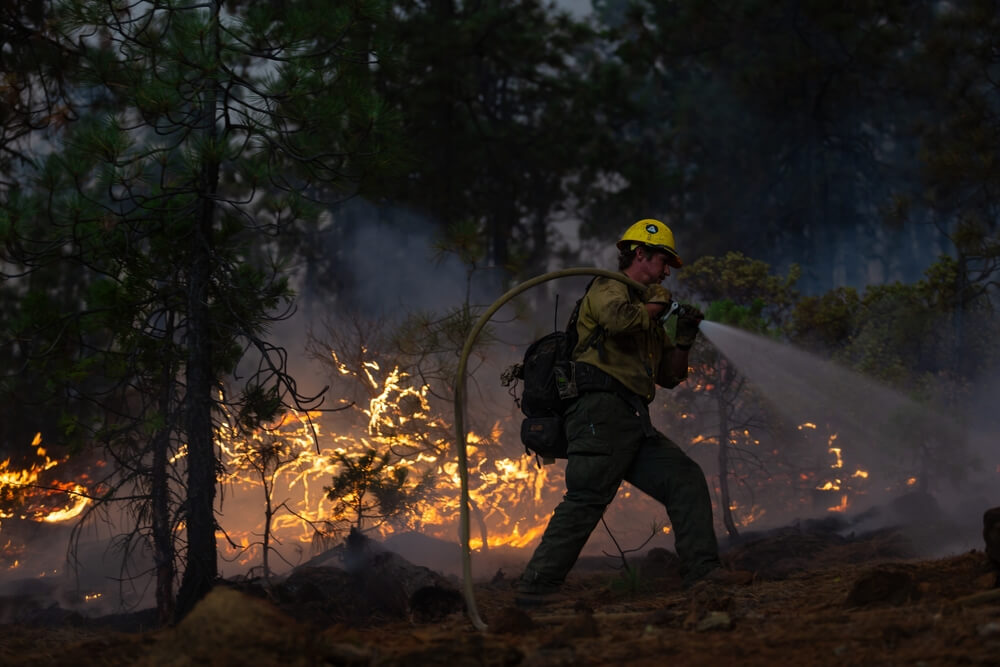
Experts warn that the snow drought could trigger an early wildfire season. Snow disappearing earlier leaves soils and vegetation exposed to warmer spring and summer conditions, drying them quickly, says Daniel McEvoy of the Western Regional Climate Center.
Too Warm to Snow
Scientists link the record-low snowpack mainly to extreme warmth, which stems from climate change caused by burning coal, oil, and natural gas. Since December 1, NOAA data shows over 8,500 daily high-temperature records in the West have been broken or tied. Much of the precipitation that normally falls as snow is instead falling as rain, which runs off quickly, Swain says. Climate models had warned this could happen. Snowless winters occur occasionally, but the extreme warmth makes this year different, says Russ Schumacher, Colorado State University professor and state climatologist.
McEvoy adds, “December was so warm that snow fell only at the highest peaks. January stayed dry and warm almost everywhere for three to four weeks.”
Wetter, Cooler Weather Ahead
Meteorologists predict wetter, cooler weather with some snow across the West this week, suggesting the snow drought may have peaked. Many areas will still remain warmer than usual, and scientists doubt snowfall will reach normal levels. Schumacher says, “We won’t return to average, but we can chip away at deficits if weather becomes more active.”
