


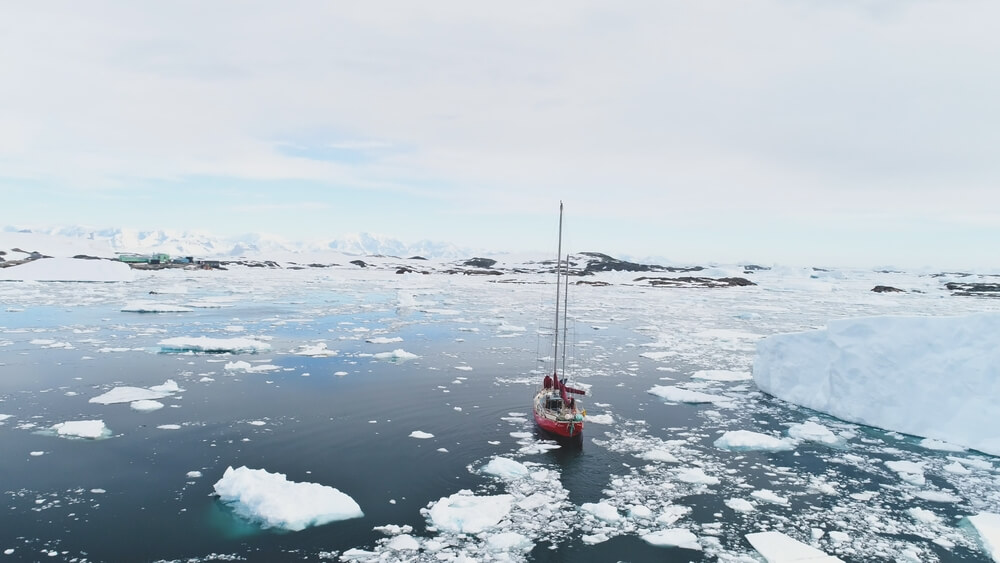
Ships, Soot, and a Warming Arctic
As Arctic sea ice melts faster due to rising global temperatures, previously frozen shipping routes are opening up. But this increased traffic comes at a heavy environmental cost. Ships release black carbon, or soot, which settles on ice and snow, reducing their reflectivity and accelerating melting. “It ends up in a never-ending cycle of increased warming,” says Sian Prior, lead adviser for the Clean Arctic Alliance. This not only makes the Arctic the fastest-warming region on Earth but also has ripple effects on global weather patterns.
Efforts to Clean Up Arctic Shipping Face Obstacles
In December, France, Germany, Denmark, and the Solomon Islands proposed that ships north of the 60th parallel use cleaner “polar fuels” that emit less carbon. However, progress is slow. A 2024 ban on heavy fuel oil has had limited effect due to loopholes, and international politics have often overshadowed environmental concerns. Tensions around Greenland, lobbying by the U.S., and conflicting interests among Arctic nations have all slowed regulatory action, leaving black carbon largely unregulated.
Traffic and Pollution Continue to Rise
Arctic ship traffic has surged: between 2013 and 2023, vessel numbers rose 37% and the distance they traveled more than doubled. Black carbon emissions climbed from 2,696 tonnes in 2019 to 3,310 tonnes in 2024, with fishing vessels as the main contributors. Experts say regulating fuel is the only practical way to curb emissions, as limiting traffic is unlikely given economic incentives. While some companies have pledged to avoid the Northern Sea Route, the region’s fragile ecosystem remains under threat unless stricter regulations are enforced.
