


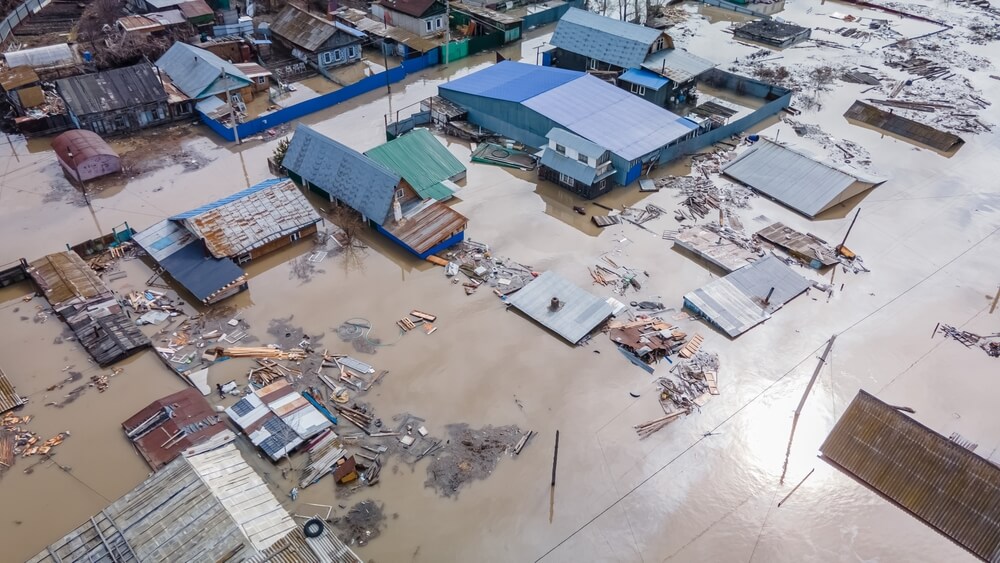
The world pledged to triple climate financing for poorer countries, yet the UK faces criticism for potential cuts. The government says it is “modernising” its international climate finance approach but declines to comment on alleged reductions. Experts warn that reducing support would damage the UK’s influence and threaten global food security.
Ministers plan cuts despite global commitments
According to The Guardian, UK ministers plan to reduce climate finance for developing countries from £11.6 billion (€13.37 billion) over the past five years to £9 billion (€10.37 billion) in the next five. Factoring in inflation, this represents a roughly 40 per cent cut in spending power since 2021.
At the UN COP29 Summit in 2024, nearly 200 nations, including the UK, agreed to triple finance to developing countries to $300 billion (€254.5 billion) annually by 2035.
A year later, at COP30 in Belém, developing countries requested more adaptation support to protect people from climate change by building flood defences and drought-resistant water systems. Parties agreed only to call for efforts to triple adaptation finance by 2035, repeating a previous commitment without further progress.
UK government defends its approach
A government spokesperson told Euronews Green that it is “modernising” international climate financing to focus on “greater impact,” ensuring every pound benefits both UK taxpayers and global communities.
“The UK remains committed to providing International Climate Finance and working with other developed countries to meet international commitments,” the spokesperson added. “We are on track to deliver £11.6 billion by the end of this financial year.”
The Foreign, Commonwealth & Development Office did not confirm whether the proposed cuts are proceeding. It also declined to respond to the criticism that has followed reports of the reductions.
Experts warn of self-harm and lost influence
Gareth Redmond-King of the Energy and Climate Intelligence Unit calls potential cuts an “act of self-harm” for the UK.
“We import two-fifths of our food from countries hit hardest by heat and flooding,” he said. “UK climate finance helps farmers adapt and protects both their livelihoods and our food supply.”
Redmond-King also warns that breaking climate commitments could harm the UK’s credibility. “China may offer climate finance to poorer nations, risking the UK’s influence and power globally,” he added.
Climate finance linked to national security
Weeks before these reports, the UK’s Department for Environment, Food and Rural Affairs published a 14-page report warning that global ecosystem collapse threatens national security and prosperity.
The report, which involved MI5 and MI6, highlighted biodiversity loss and climate change as direct threats to food supply, triggering crop failures, intensified disasters, and disease outbreaks. Without major intervention, these threats will grow alongside environmental degradation.
Officials stressed the UK relies heavily on global markets for food and fertiliser, with 40 per cent of essential items, such as vegetables, sugar, and soy, imported. The report states, “Biodiversity loss and climate change are among the largest medium- to long-term threats to domestic food production, affecting soils, pollinators, and water availability.”
Ecosystem collapse would put UK agriculture under stress, limiting its ability to adapt to new approaches and technologies needed to sustain food production.
Risks to food security and social stability
International market disruption caused by ecosystem collapse could threaten UK food security. Criminal groups may exploit scarce resources, and poverty could rise. Increased food insecurity will also drive migration. A 2021 report by the Council on Strategic Risks notes that a one per cent rise in food insecurity causes a 1.9 per cent increase in migration.
The report also warns that political polarisation and instability could intensify in areas facing food and water shortages. Competition for resources may trigger conflicts, military escalation, and disinformation campaigns. Existing conflicts may worsen as groups fight over arable land, water, and food supplies.
