


Nature’s Winter Gear
When Arctic air pushes into Tennessee, temperatures can drop to single digits, far colder than the region is used to. While humans rush indoors for warmth, local wildlife relies on natural adaptations. Mammals like deer, foxes, raccoons, and rabbits grow thicker coats in the fall. Whitetail deer, for example, develop hollow guard hairs that trap air, acting like a built-in down jacket to retain body heat. Seasonal color changes—from reddish summer coats to gray-brown winter fur—also help with insulation. Even small animals like squirrels and rabbits rely on their thicker fur, combined with shelter, to survive.
Fat Reserves and Smart Shelter
Autumn is a critical feeding period for many species. Deer and squirrels gorge on high-calorie foods, while predators take advantage of abundant prey. This stored fat not only insulates but also provides energy during times when food is scarce. Shelter is equally vital: deer bed down in dense cedar or pine thickets, rabbits hide in brush piles, and raccoons take refuge in hollow trees or abandoned structures. Predators use dens and thick cover to minimize exposure, conserving energy while remaining ready to hunt efficiently.
Energy Conservation and Adaptability
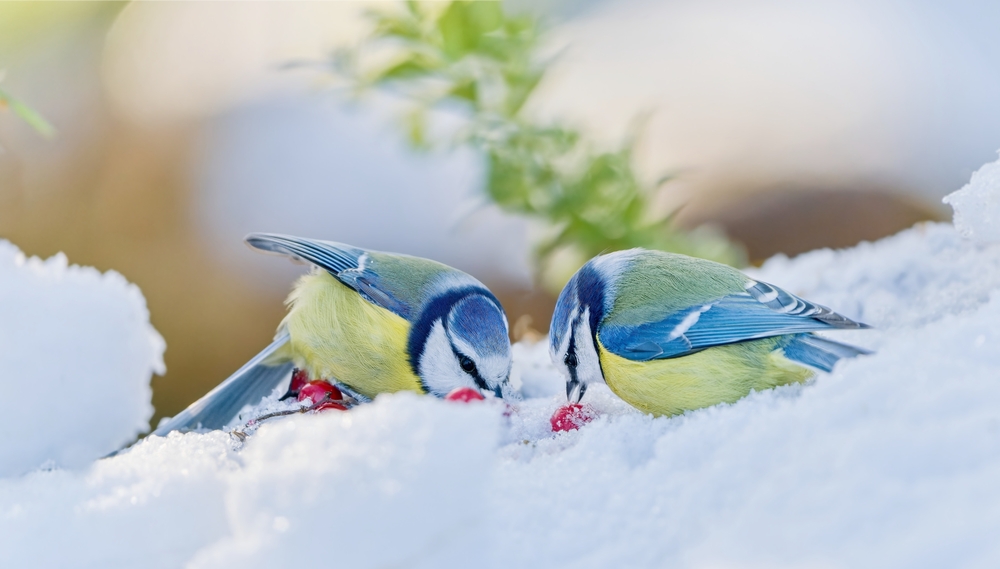
Unlike true hibernators, Tennessee mammals don’t sleep through winter, but they often enter periods of reduced activity. Raccoons and skunks may experience torpor, lowering their heart rate and metabolism. Deer and foxes adjust their movements, feeding during warmer hours and limiting unnecessary energy expenditure. Birds fluff their feathers and roost in sheltered areas to stay warm. Despite rare freezes, wildlife is built to endure short bursts of extreme cold, though harsh conditions combined with snow, ice, or poor nutrition can put young or weakened animals at risk.
Even in freezing weather, what looks harsh to humans is often manageable for wildlife. Through thick fur, fat reserves, smart shelter use, and energy-saving behaviors, Tennessee animals demonstrate a quiet resilience that lets them survive the South’s occasional Arctic blasts.
