


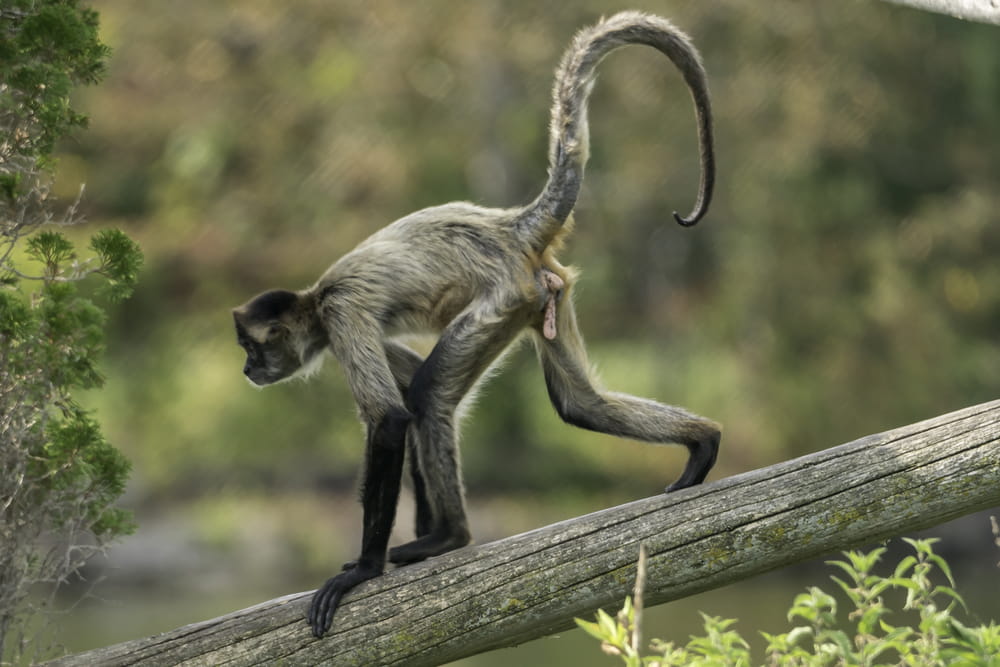
Researchers found spider monkeys share food knowledge by frequently switching social subgroups.
This behavior helps them exchange locations of fruit trees and timing of ripening.
The system allows monkeys to combine information and create new shared knowledge.
Scientists observed the behavior during seven years of fieldwork in Mexico’s Yucatán peninsula.
The study involved researchers from University of Edinburgh, Heriot-Watt University, and National Autonomous University of Mexico.
Monkeys explored different forest areas, then regrouped to exchange insights.
This balance maximized access to ripe fruit and improved collective foraging success.
Scientists described the behavior as strong evidence of collective intelligence in the wild.

OMN AI
This article was created with the assistance of OMN AI, the AI-powered editorial platform developed by OMN Group. Every article is reviewed, fact-checked, and approved by a human journalist before publication to ensure accuracy and editorial quality. Learn more at https://omngroup.com
Add A Comment