


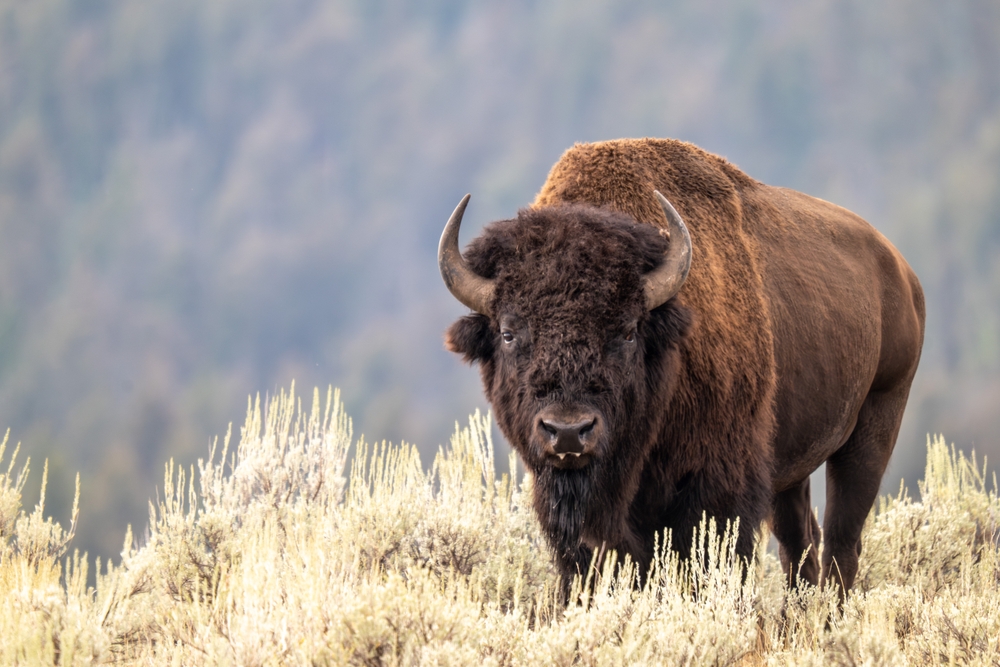
Exploring national parks offers incredible encounters with nature, but getting too close to wildlife can be extremely dangerous. In 2022, an Ohio tourist visiting Yellowstone National Park learned this the hard way when she approached a bison and suffered serious injuries.
The Dangers of Getting Too Close
Yellowstone guidelines recommend maintaining at least 25 yards from any wildlife, yet the visitor had approached to within about 10 feet of the bison. Startled or provoked, the bison gored her and tossed her roughly 10 feet into the air, according to ABC News.
The National Park Service (NPS) stresses that “wildlife in Yellowstone National Park are wild and can be dangerous when approached. Bison have injured more people in Yellowstone than any other animal. They are unpredictable and can run three times faster than humans.” For predators like wolves, cougars, and bears, the recommended distance increases to 100 yards.
Consequences for Both Humans and Animals
The woman survived and was treated at the Eastern Idaho Regional Medical Center. However, other visitors who approach wildlife can face similar risks. Human-wildlife encounters can escalate quickly, and animals that injure humans—even if provoked—may sometimes be euthanized by authorities.
The NPS emphasizes that safety is about protecting both people and wildlife. Approaching or feeding wild animals can put everyone at risk.
How to Safely Observe Wildlife
Experts recommend viewing wildlife from a safe distance using a telephoto lens, spotting scope, or binoculars. Yellowstone’s safety guidance warns: “Do not approach, encircle, follow, or feed any animal. If need be, turn around and go the other way if a bison walks within 25 yards.”
Keeping your distance ensures a safe and memorable experience in the park—for you and the animals you came to see.
