


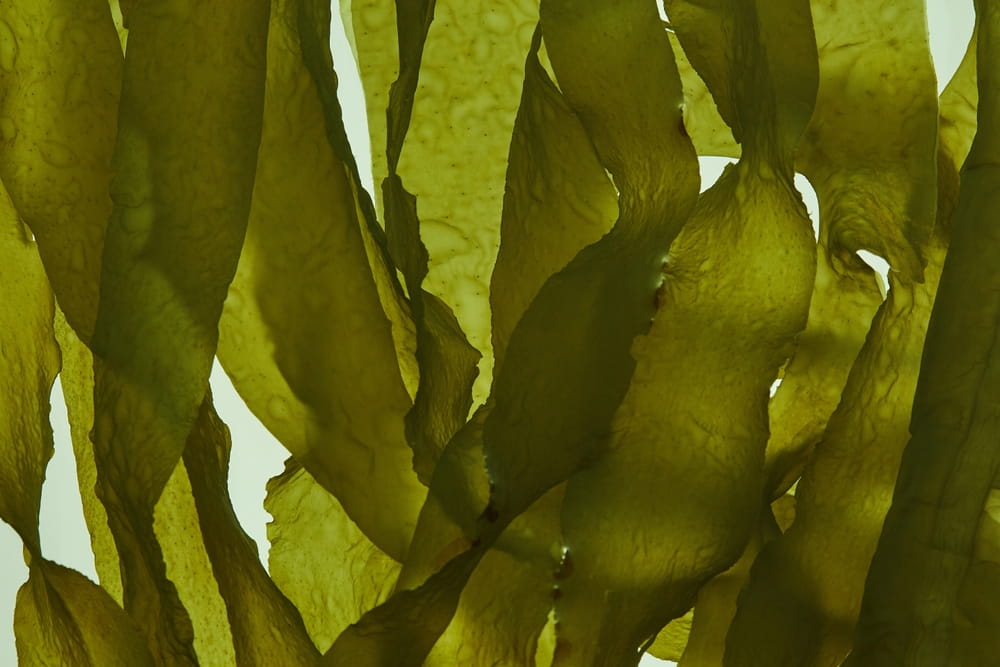
Scientists say the oceans may be undergoing a major ecological shift as vast seaweed blooms expand rapidly, driven by global heating and nutrient pollution from agriculture and other sources.
Research led by the University of South Florida found that floating macroalgae increased by an average of 13.4% a year between 2003 and 2022, with the sharpest growth occurring after 2008. Before then, large-scale blooms were rare outside the Sargasso Sea.
Using artificial intelligence to analyse 1.2 million satellite images, researchers produced the first global picture of floating seaweed. They identified dramatic growth in regions such as the tropical Atlantic and western Pacific, including the Great Atlantic Sargassum Belt, now visible from space.
While microalgae like phytoplankton also increased, their growth was far slower, suggesting changing ocean conditions increasingly favour large seaweed. Scientists warn this shift could darken ocean waters, alter marine ecosystems, disrupt carbon cycling and potentially worsen climate change.
The study concludes that a global “regime shift” towards a macroalgae-rich ocean may already be under way, with wide-ranging consequences for ocean chemistry, climate processes and marine life.
