


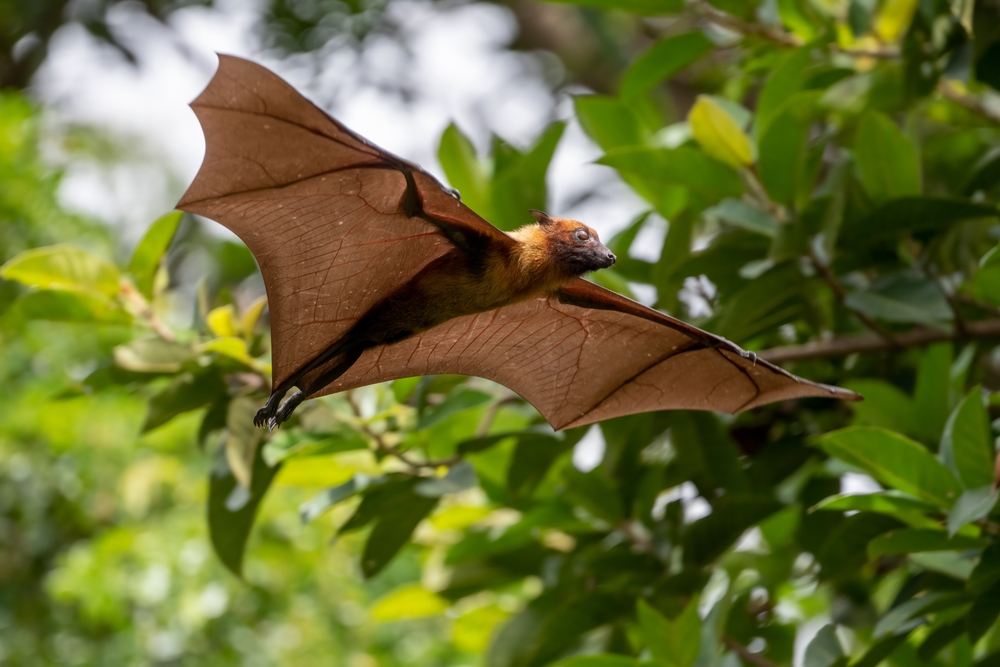
Australia is facing a devastating loss of flying fox populations after an extreme heatwave in January 2026, marking one of the worst wildlife mortality events since the 2019–2020 “black summer” bushfires. Thousands of both grey-headed and black flying foxes perished across South Australia, Victoria, and New South Wales.
Grey-Headed Flying Foxes: Vulnerable and Under Threat
The grey-headed flying fox (Pteropus poliocephalus) has been the hardest hit. Endemic to eastern Australia, these bats are the largest in the country, weighing up to 35 ounces and reaching 11 inches in length. Unlike most bats, they do not echolocate, relying on their keen eyesight to locate fruits, nectar, pollen, and bark. Roosting during the day in large trees, thousands can gather in one location, especially during mating season.
These bats are listed as vulnerable under both state and national conservation laws. Habitat destruction, particularly deforestation, is their primary threat, and the recent heatwave has compounded the dangers they face.
Black Flying Foxes Also Severely Impacted
Black flying foxes (Pteropus alecto) have also suffered significant losses. Found mainly in tropical and subtropical northern regions, they prefer roosting in bamboo, mangroves, and rainforest areas. Weighing around 23 ounces, they feed at night on fruits, pollen, and nectar and form large daytime colonies called camps. While currently listed as Least Concern by the IUCN, these extreme heat events demonstrate their vulnerability to climate-related stress.
A Heatwave-Fueled Wildlife Catastrophe
The January 2026 heatwave saw temperatures reach as high as 47°C in parts of South Australia and Victoria, with Melbourne exceeding 42°C and some Sydney suburbs climbing into the mid-40s. The intense heat led to heatstroke, dehydration, and widespread mortality among flying foxes. Mothers with pups were particularly affected, jeopardizing population recovery.
Reports from wildlife carers revealed hundreds of bats dead at colonies, including 500 at Brooks Creek near Dapto and 170 at Figtree. Volunteers and organizations like WIRES worked tirelessly to help struggling bats, but the scale of the disaster was overwhelming. Calls are now growing for protective measures, such as sprinkler systems at major colonies, to prevent similar tragedies in future heatwaves.
