


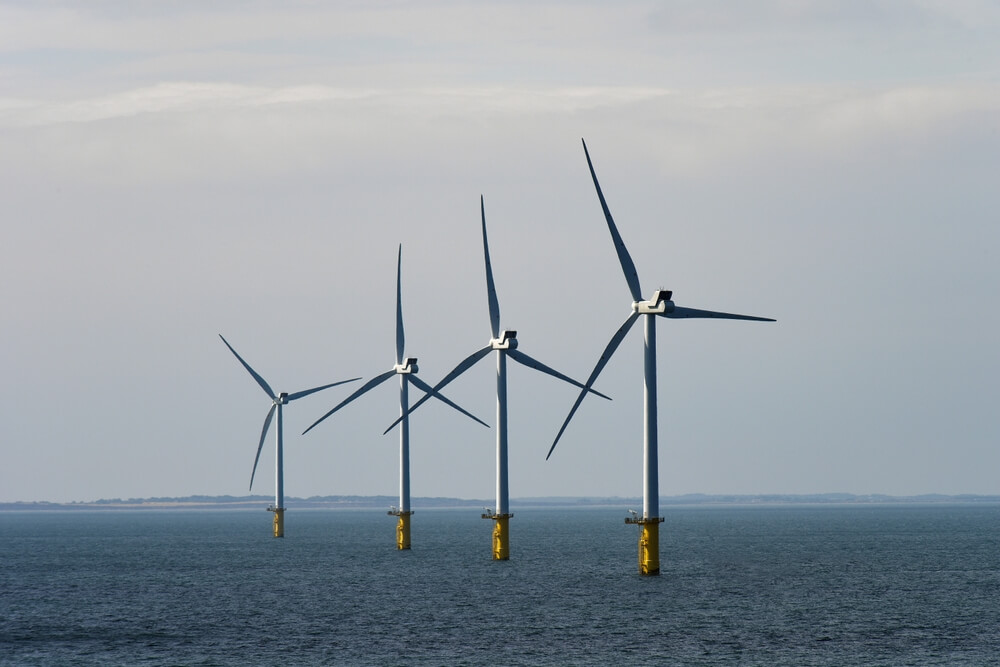
The UK has awarded contracts for a record volume of offshore wind to expand clean electricity generation. The projects cover England, Scotland, and Wales and form a central pillar of energy policy. One scheme includes part of a potential world-leading wind farm off Scotland’s North Sea coast. Ministers describe the auction as a major step toward a cleaner power system. Analysts, however, warn the scale may still fall short of long-term targets.
Some experts argue the government still faces difficulties meeting its 2030 clean power ambition. Officials insist offshore wind undercuts new gas power on cost over time. They also say the projects will reduce household bills permanently. Conservative critics reject that claim and accuse climate policies of driving prices higher.
Political debate over costs and targets
Rising costs have strained the offshore wind sector in recent years. Conservatives argue the latest contracts risk fixing high prices for decades. They point to inflation, borrowing costs, and material shortages. Ministers counter that gas dependency exposes households to volatile global markets. The debate highlights deep divisions over energy strategy.
One of the largest winning schemes is the first phase of Berwick Bank in the North Sea. Developers could eventually turn it into the world’s largest offshore wind farm. Other successful bids include Dogger Bank South near Yorkshire and Norfolk Vanguard off East Anglia. Awel Y Mor marked the first Welsh offshore wind success in over ten years, according to ministers.
Chris Stark, who oversees the clean power programme, praised the outcome. He said the geographic spread will help deliver power to homes efficiently. He described the auction as a strong national result.
Offshore wind at the heart of clean power plans
The government wants at least 95% of Great Britain’s electricity from clean sources by 2030. That plan aims to cut carbon emissions from fossil fuel use. Clean sources include renewables like wind and solar, plus nuclear power. Offshore wind plays a central role due to strong coastal wind resources.
Ministers aim to reach at least 43 gigawatts of offshore wind capacity by 2030. Current capacity stands at 16.6 gigawatts, with another 11.7 gigawatts under construction. Officials say rapid expansion remains essential. Connecting projects to the grid remains a major challenge.
Analysts view the latest auction as critical to meeting future demand. The 8.4 gigawatts secured keep the target narrowly achievable, several experts say. All projects still require grid connections before producing power. Nick Civetta from Aurora Energy Research warned delivery by 2030 remains extremely challenging.
Rise in wind costs
Offshore wind costs have risen due to supply chain disruption and higher steel prices. Elevated interest rates have also increased financing costs. The Russia-Ukraine war worsened many of these pressures. These factors reshaped the economics of renewable construction.
Last year, energy firm Orsted cancelled the Hornsea 4 project. The project had previously secured government backing. In the latest auction, seabed-fixed wind farms won contracts averaging nearly £91 per megawatt-hour. Prices reflect 2024 values.
That figure sits well below prices from the first auction in 2015. It also exceeds the £82 per megawatt-hour awarded in the previous round. Ministers acknowledge the upward trend but stress comparisons with gas generation costs.
Government estimates put new gas power at £147 per megawatt-hour. That figure includes fuel and carbon pricing. Energy Secretary Ed Miliband said the auction will help reduce consumer bills overall. He argued reliance on fossil fuels risks exposing households to future price shocks.
Opposition criticism and wider political reactions
Shadow energy secretary Claire Coutinho challenged the government’s claims. She said household bills have risen rather than fallen. She argued the new contracts represent the highest offshore wind prices in a decade. She also warned grid upgrades would add further costs.
Reform has repeatedly criticised the cost of net zero policies. The Liberal Democrats and Greens support renewable expansion to address climate risks. They also cite job creation benefits. The SNP and Plaid Cymru back offshore wind growth but seek greater national control over energy resources.
Industry groups and climate organisations broadly welcomed the auction results. RSPB Scotland raised concerns about Berwick Bank’s potential impact on seabird populations. Developers say they will work with regulators to limit environmental harm.
Impact on bills uncertain
The government fixes auction prices for 20 years to give investors certainty. That stability helps developers recover large upfront costs. The effect on household bills can vary. Outcomes depend on wholesale prices, gas costs, and electricity demand growth.
Past renewable schemes often relied on effective subsidies. Analysts say they also lowered costs by displacing expensive gas generation. Gas still usually sets wholesale prices today. Clean energy sources may increasingly set prices in future markets.
In the Budget, ministers announced changes aimed at cutting bills by about £150. Measures include shifting some renewable costs into general taxation. The government also scrapped an energy efficiency scheme. Planned grid upgrades, announced by regulator Ofgem, will begin adding costs to bills.
