


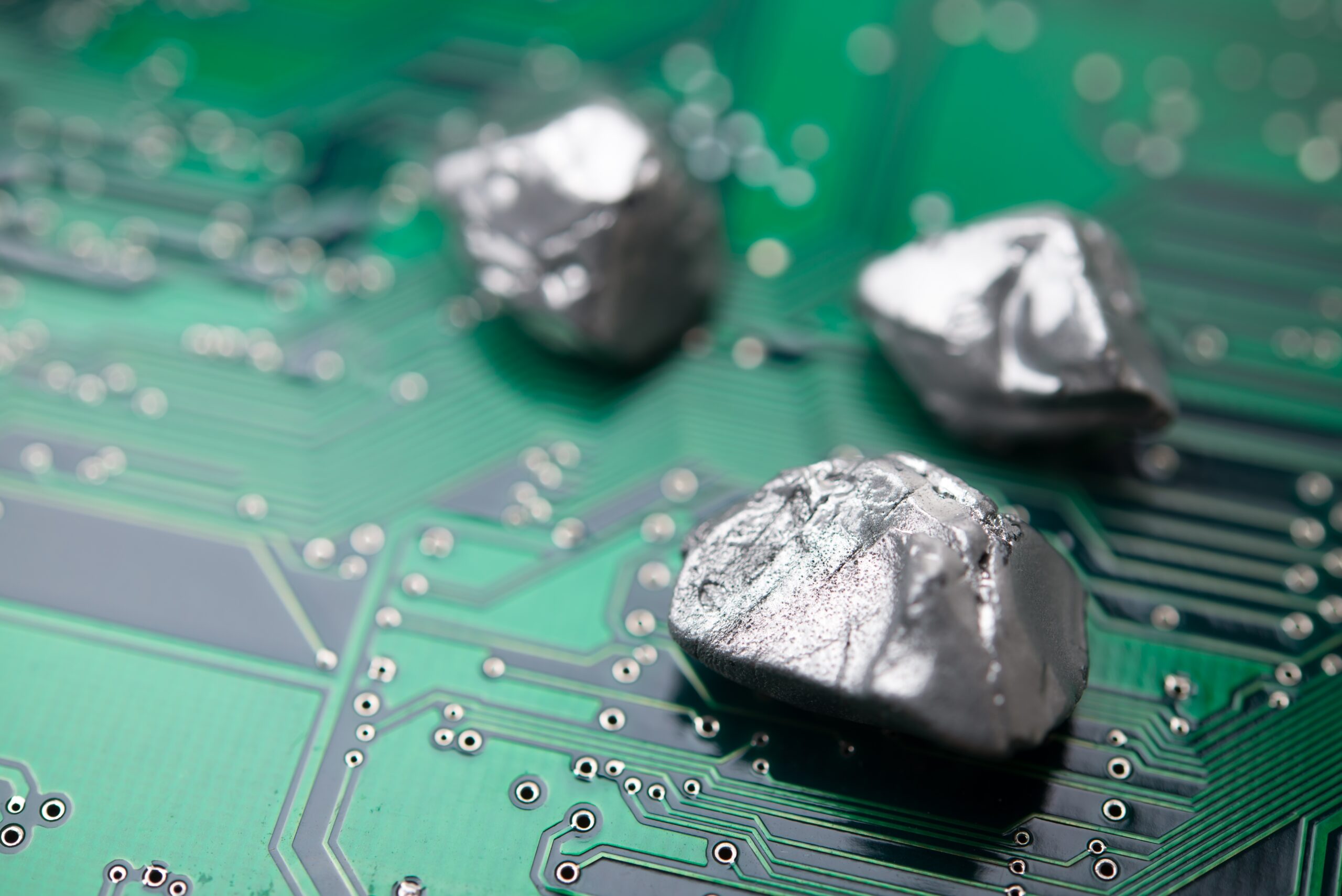
In the frozen darkness of northern Sweden, engineers at the LKAB mine in Kiruna are driving Europe’s push to secure its own supply of rare earth metals. While surface temperatures plunge below -20C, teams work nearly a kilometre underground to reach the Per Geijer deposit, one of the continent’s largest known sources of rare earth elements. These materials, vital for electric vehicles, smartphones, renewable energy and military technology, are currently dominated by China, which the EU has accused of weaponising its near monopoly.
Despite identified deposits elsewhere in Europe, there are still no operational rare earth mines, making Kiruna central to the EU’s ambitions. State-owned LKAB is racing to link its vast iron ore mine to the Per Geijer site using remote drilling, nightly blasting and automated transport systems. Progress is slow, advancing just a few metres per day, highlighting how difficult it is to build a full supply chain from mine to refined product. Experts warn that even with major deposits, it could take a decade or more before Europe sees meaningful output. The project underlines both the strategic urgency and the immense technical challenge facing the EU as it seeks greater independence from China’s control of rare earths.
