


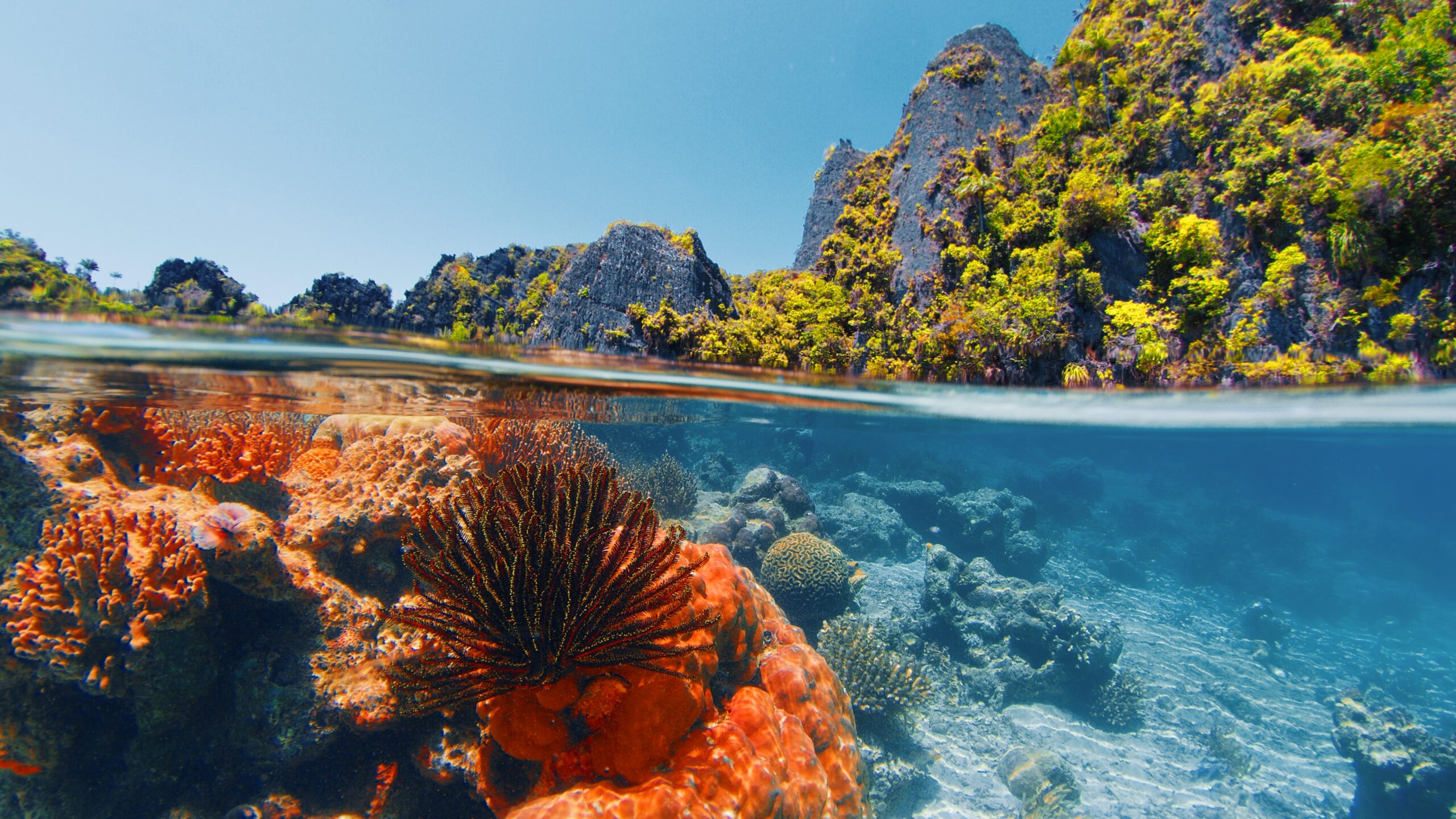
Caribbean coral reefs have lost 48% of their hard coral cover in the last four decades, according to research from the Global Coral Reef Monitoring Network. The primary cause is intense marine heatwaves driven by climate change, which damage the microalgae that corals depend on for food and colour. When stressed, corals expel these microalgae, leading to bleaching and often death.
Between 2023 and 2024, the region experienced the most destructive thermal stress ever recorded, resulting in a further 16.9% decline in coral cover in just one year. Once vibrant ecosystems filled with fish, turtles, sharks, and colourful reefs are now turning bone-white as bleaching spreads.
Coral reefs make up less than 1% of the ocean floor but support 25% of marine species, while contributing $6.2bn annually to Caribbean economies through tourism and fisheries. As coral declines, macroalgae — its main competitor — has surged by 85% since 1980, boosted by overfishing of the herbivores that normally control it.
Despite the losses, the study highlighted areas of resilience. In the southern Gulf of Mexico, scientists found strong, disease-free coral colonies even after extreme heat. This prompted the creation of a new marine protected area, connecting two national parks to support reef recovery.
Experts say reefs can rebound if climate pressures and local threats are addressed. Solutions include improving wastewater treatment, reducing mass tourism impacts, establishing marine protected zones, and combating global warming.
The message from researchers is clear: the decline is severe, but with action, recovery is still possible.
