


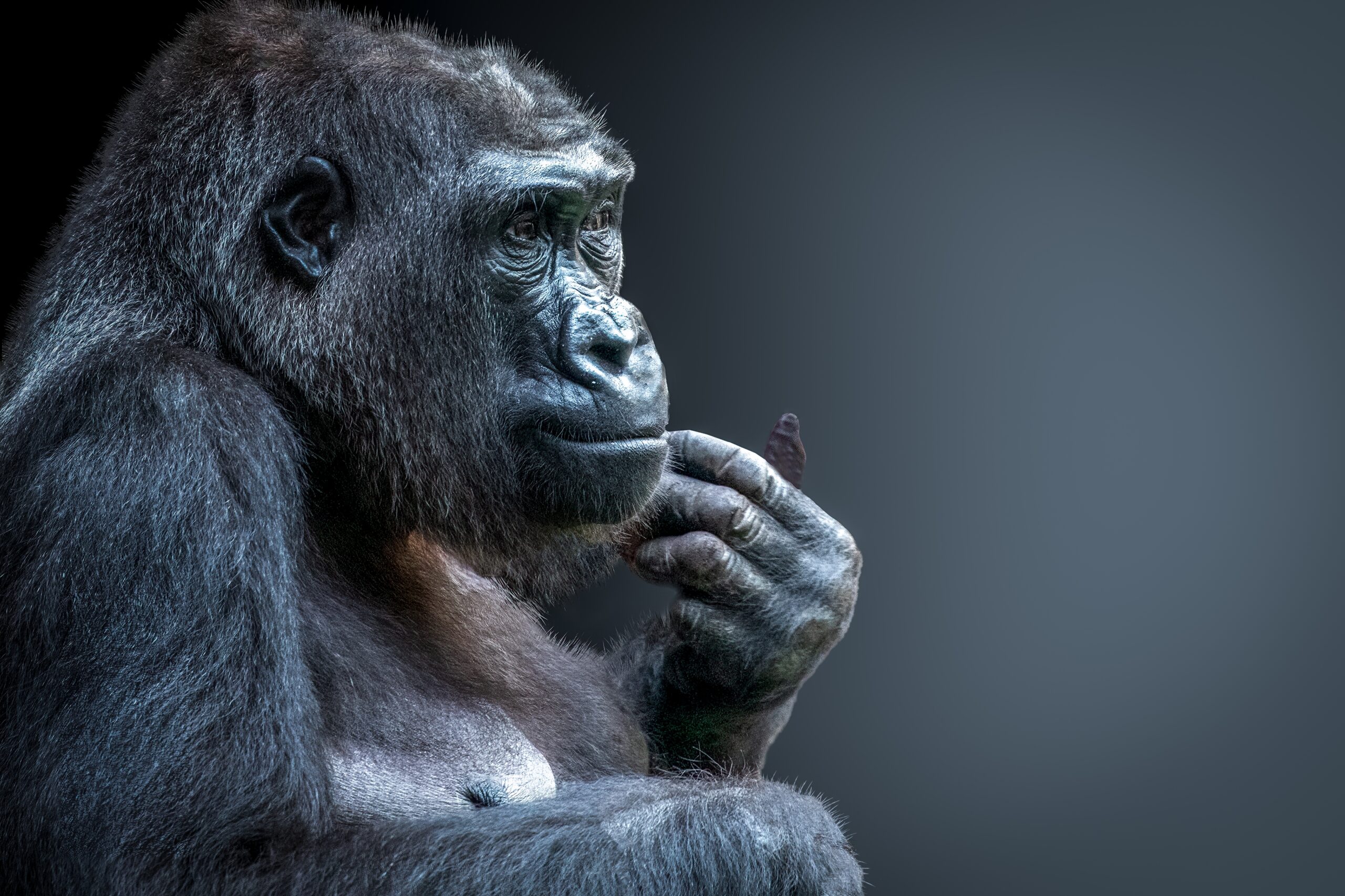
Forty years ago, pioneering primatologist Dian Fossey was murdered in her cabin in Rwanda’s Volcanoes National Park — a violent end to a life dedicated to protecting mountain gorillas. Though her work transformed global understanding of the species, the identity of her killer remains unknown.
Fossey arrived in Rwanda in 1967 with no formal zoology training and suffering from chronic lung disease, yet her determination led her to found the Karisoke Research Centre. At the time, gorillas were seen as dangerous brutes and were rapidly disappearing due to poaching and habitat loss. Fossey slowly gained the trust of gorilla groups by mimicking their behaviours — crouching low, knuckle-walking, imitating their vocalisations — eventually sitting freely among them. Her research dispelled the King Kong myth, revealing gorillas as gentle, social, intelligent beings.
The world witnessed this breakthrough in 1979 when David Attenborough filmed with Fossey, resulting in one of television’s most iconic wildlife encounters. But her fight to save gorillas hardened into conflict. She aggressively confronted poachers, burned huts, took prisoners, and even staged witchcraft rituals to scare trespassers. Colleagues admired her devotion yet described her as increasingly unstable and uncompromising, prioritising anti-poaching over scientific work. Her fierce stance alienated authorities, locals and rival conservationists — some of whom advocated tourism and community education, which Fossey opposed.
Everything changed when poachers killed Digit, Fossey’s favourite gorilla, brutally decapitating him for souvenirs. The incident consumed her. She launched anti-poaching patrols, took revenge on poachers and saw enemies everywhere. Still, her 1983 memoir Gorillas in the Mist ignited global sympathy and laid the foundation for conservation success that continues today.
On 26 December 1985, Fossey was found dead from machete wounds inside her cabin. No one was ever convicted. Many believe she was murdered because her activism threatened powerful interests — poachers, corrupt officials or illegal wildlife traders. As one colleague remarked, “She was standing in the way of certain individuals.”
Her legacy, however, is undeniable. Thanks in part to the awareness she created, mountain gorillas have rebounded from the brink of extinction. The very tourism she rejected funds much of their protection today. Fossey remains a complex figure — heroic, controversial, uncompromising — but the gorillas she loved continue to survive because she fought for them.
