


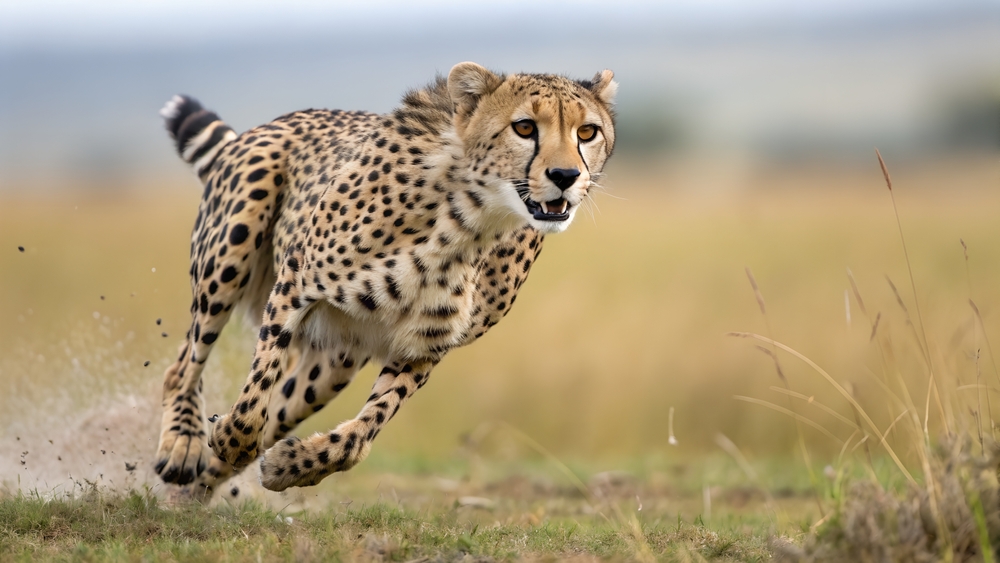
A lifeline for cheetahs on the brink
For 35 years, American zoologist Laurie Marker has collected and stored cheetah sperm in Namibia. She hopes conservationists never have to use it. Marker fears the world’s fastest land animal could one day face extinction and require artificial reproduction for survival. She built the sperm bank at the Cheetah Conservation Fund, which she founded in southern Africa, calling it a “frozen zoo” of cheetahs. She has developed it since 1990 as a backup plan for a worst-case scenario. The species has lost large numbers in the wild over the last 50 years. “You don’t use it unless you need it,” Marker said from her research centre near Otjiwarongo. “And we never want to reach that point.”
Declining populations
Fewer than 7,000 cheetahs remain in the wild, numbers similar to the critically endangered black rhino. Around 33 populations survive, mainly across Africa, with most groups under 100 animals. Marker emphasizes that shrinking populations threaten the species’ long-term survival.
Why cheetahs are endangered
Cheetahs face habitat loss, human-wildlife conflict, and the illegal animal trade. Their isolated populations reduce the gene pool and lower reproduction rates. Globally, cheetah numbers have dropped by 80 percent in the last 50 years, and they have vanished from 90 percent of their historical range. Scientists believe cheetahs narrowly survived extinction at the end of the last ice age 10,000–12,000 years ago. Marker notes that genetic diversity is low, and 70–80 percent of cheetah sperm is abnormal. She argues that a sperm bank could provide critical support if natural reproduction fails.
A common conservation tactic
Conservationists store sperm for many species, including elephants, rhinos, antelopes, big cats, and birds. Marker points to the northern white rhino as an example of reproductive research saving a species. Only two northern white rhinos remain, both females, making the species functionally extinct. Scientists attempt to implant northern white rhino embryos into southern white rhino surrogates. So far, none of the pregnancies reached term, but the team continues its efforts. Other projects, like breeding black-footed ferrets in Wyoming using artificial reproduction, have succeeded in rescuing species from the brink.
Last resort for survival
Marker collects cheetah sperm opportunistically during treatment or from injured animals, avoiding stress to healthy wild cats. Samples can also come from deceased cheetahs. “Every cheetah represents a unique mix of genes,” Marker said. “We aim to bank every animal we can.” Her team stores samples from around 400 cheetahs in ultralow liquid nitrogen temperatures. Marker does not perform artificial insemination, as Namibian law forbids breeding wild animals in captivity.
Preparing for the worst
If cheetahs face extinction again, the first backup would be the roughly 1,800 captive cats in zoos. However, cheetahs reproduce poorly in captivity, and the sperm bank may become the species’ last lifeline. Without it, Marker warns, survival chances would be minimal.
