


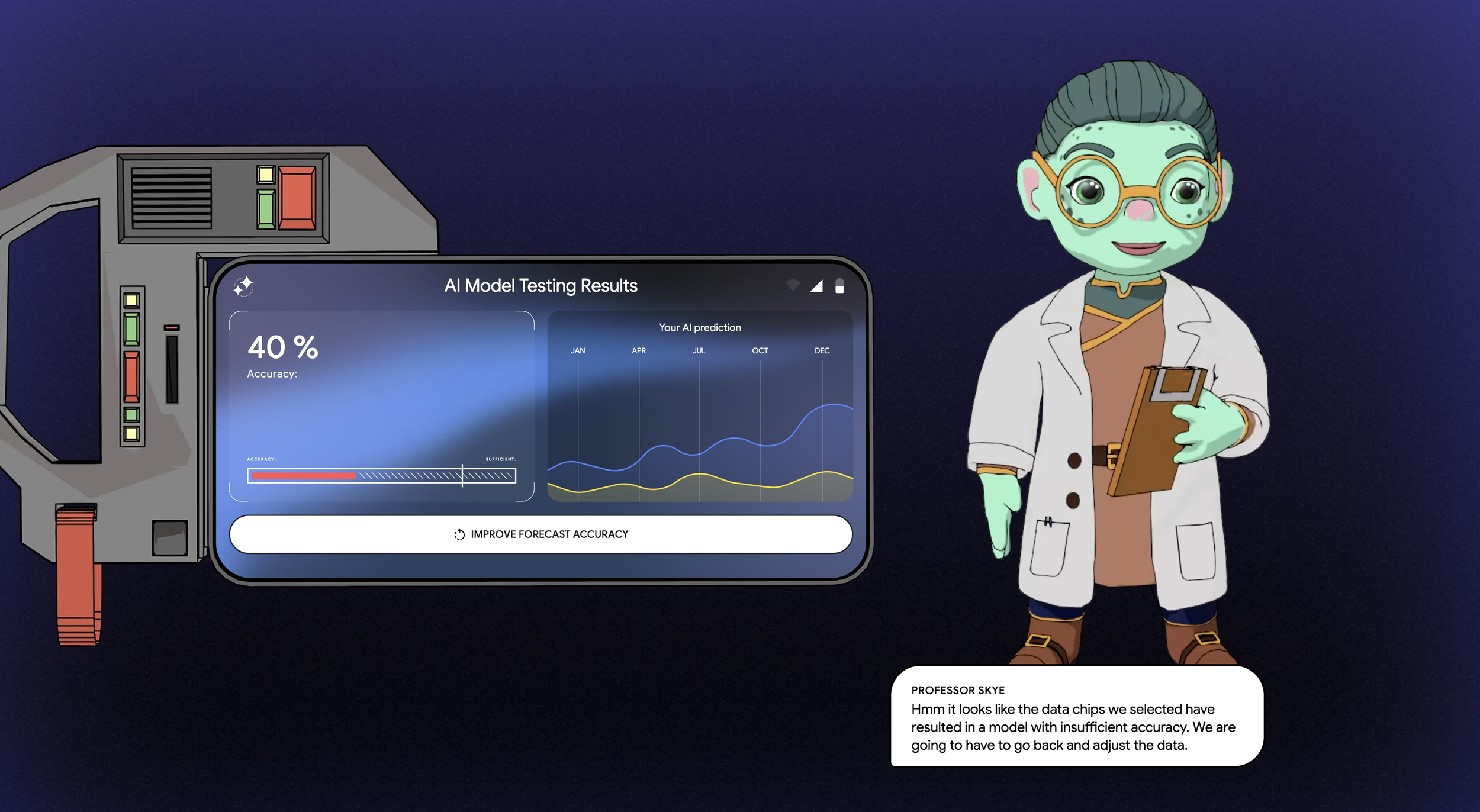
Google Research, in collaboration with Stanford University, has launched AI Quests for students aged 11 to 14. The program is designed to introduce middle schoolers to real-world applications of artificial intelligence in areas like climate change, healthcare, and scientific research.
The initiative provides a hands-on learning experience where students can explore AI concepts, develop problem-solving skills, and understand ethical considerations. Each quest focuses on practical projects that allow learners to see how AI tools can address real-world challenges.
Educators say programs like AI Quests are vital for building early AI literacy. By engaging students with interactive activities, the program makes complex topics accessible and encourages curiosity about technology and innovation.
AI Quests combines digital resources, guided lessons, and project-based learning. Students can analyze data sets, simulate AI models, and explore the impact of AI decisions. This approach helps learners develop critical thinking and computational skills from a young age.
The collaboration with Stanford ensures that the program is grounded in research and educational best practices. Lessons are designed to be age-appropriate while challenging students to think creatively and ethically about AI.
Google emphasizes that the program also teaches responsible AI use. Students learn about data privacy, algorithmic fairness, and ethical implications of AI in everyday life. This foundation encourages thoughtful decision-making as students interact with technology.
Teachers and school administrators view AI Quests as a resource that complements traditional STEM education. The program introduces emerging technologies in a way that is engaging and adaptable to classroom needs. It can inspire students to pursue further studies in AI and related fields.
The initiative is part of a growing trend to incorporate AI education at earlier stages. Early exposure to AI helps prepare students for a future where technology plays an integral role in science, healthcare, and environmental solutions.
Students participating in AI Quests work individually and in teams. This collaborative structure fosters communication, problem-solving, and teamwork skills. By applying AI tools to real problems, learners gain hands-on experience that reinforces theoretical knowledge.
The program also emphasizes creativity in learning. AI Quests encourages students to design innovative solutions for climate challenges, health monitoring, and scientific inquiry. This project-based approach makes AI relevant and exciting for young learners.
Feedback from early participants has been positive. Students report feeling more confident in using AI tools and understanding their potential. Teachers note increased engagement and enthusiasm for STEM topics as a result of the interactive learning format.
By launching Google AI Quests for students, Google and Stanford are helping bridge the gap between theoretical AI knowledge and practical application. The program equips young learners with essential skills for future studies and careers in technology-driven fields.
The initiative also underscores the importance of ethical education in AI. Students gain awareness of the societal impacts of technology and learn to consider fairness, accountability, and responsibility when working with AI tools.
AI Quests represents a meaningful step in integrating AI into K‑12 education. By providing hands-on experiences, fostering ethical thinking, and promoting collaboration, the program prepares middle school students for a future where AI literacy is increasingly important.
Through this program, Google and Stanford aim to inspire the next generation of innovators, problem solvers, and responsible technology users. The initiative combines education, technology, and ethics, creating a model for engaging young learners in AI from an early age.
