


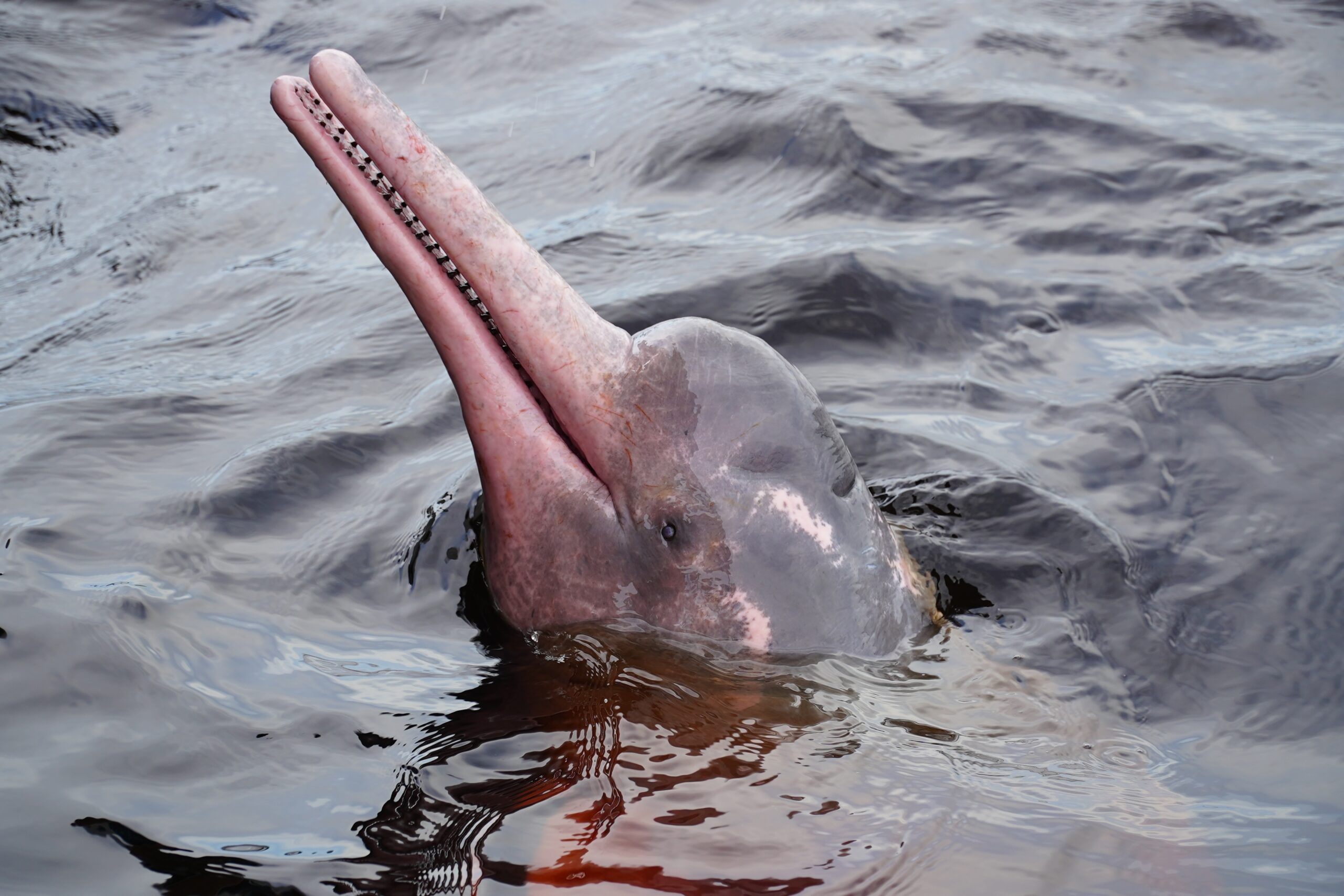
Amazon lakes have hit dangerously high temperatures amid record drought and heatwaves, turning once-vital ecosystems into deadly hot tubs.
Researchers from Brazil’s Mamirauá Institute for Sustainable Development recorded water temperatures of up to 41°C (106°F) in Lake Tefé, where the shallow, two-metre-deep waters grew so hot that “you couldn’t even put your fingers in the water,” said lead scientist Ayan Fleischmann.
The extreme heat led to mass die-offs of fish and endangered pink river dolphins, with around 200 dolphin carcasses found floating in the lake over six weeks in late 2023.
Half of the 10 lakes studied across the central Amazon recorded temperatures above 37°C, according to findings published in Science. Normally, Lake Tefé peaks around 30°C during the hottest months.
The study revealed that Amazon lakes have been warming by 0.3–0.8°C per decade, outpacing global averages, while shrinking dramatically — Lake Tefé lost 75% of its surface area in 2024’s drought, and Lake Badajós 90%.
“The energy needed to heat such massive volumes of water by 10°C is jaw-dropping,” said Dr Adrian Barnett of the University of Greenwich, who warned that repeated events could devastate fish, dolphins, and other wildlife that breed during low-water seasons.
Experts say only tackling fossil fuel emissions and global warming can prevent further ecological collapse.
