


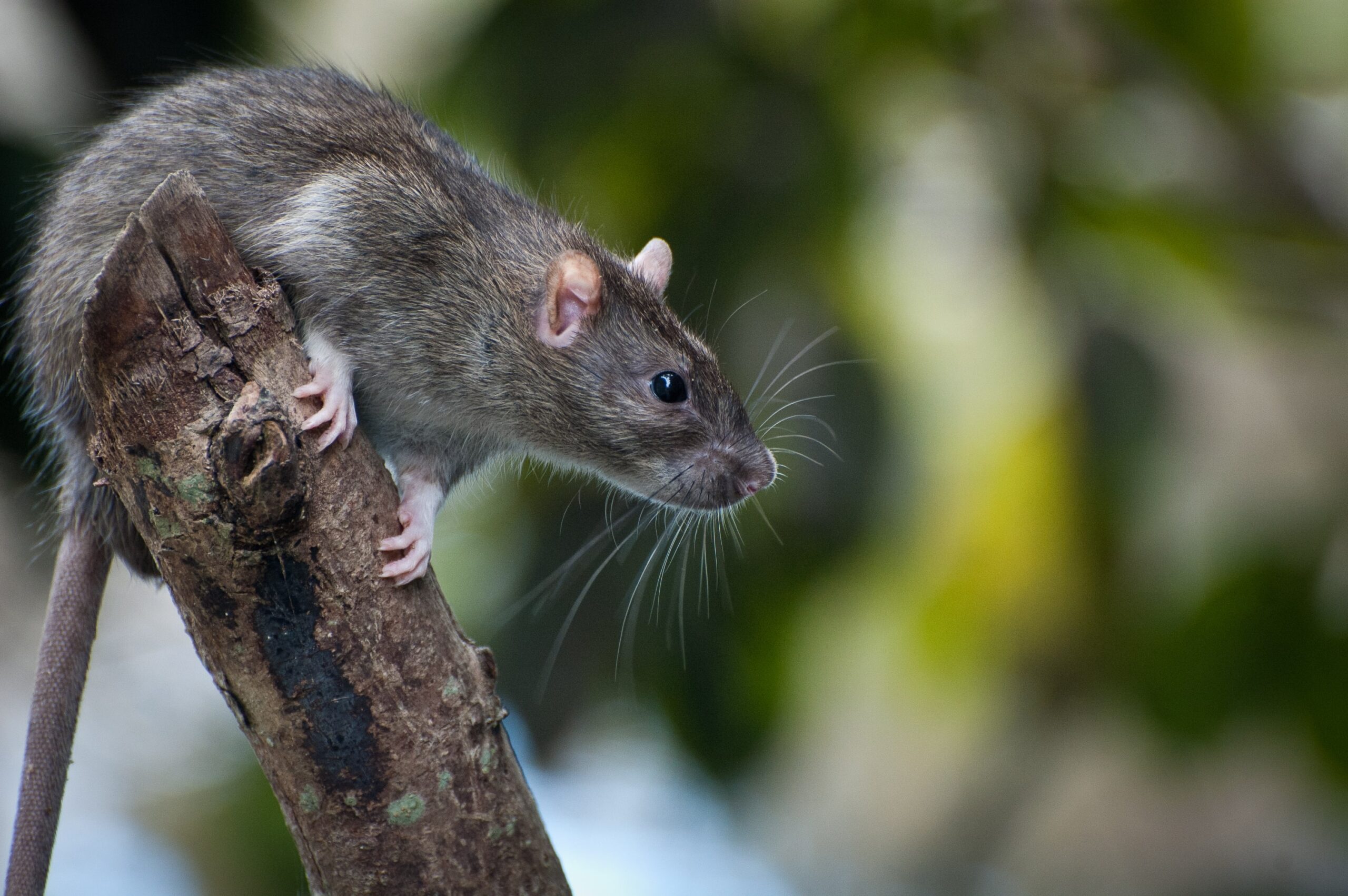
After six months exploring New Guinea’s rugged landscapes, a young Czech doctoral student made a stunning discovery. František Vejmělka, from the Biology Centre of the Czech Academy of Sciences and the University of South Bohemia, became the first scientist to observe Mallomys istapantap in its natural habitat. This enormous nocturnal rodent, among the largest in the world, lives in mist-covered forests and grasslands around 3,700 meters above sea level. Until now, researchers knew the species only from preserved museum specimens. For the first time, photographs and video footage reveal the animal alive in its remote mountain environment.
Bringing a Lost Species Back Into View
The Subalpine Woolly Rat (Mallomys istapantap) appeared first in 1989 through museum samples and had not been recorded in the wild for thirty years. Scientists had never photographed it until now. Vejmělka’s field data and imagery provide essential insights into this rarely seen species and highlight New Guinea’s extraordinary mammalian diversity in its highlands. These findings mark a major step forward in understanding a species once considered nearly invisible to science.
A Mysterious Giant of the Highlands
“It’s astonishing that such a large and striking animal has remained so poorly studied. How much more is there to discover about tropical mountain biodiversity?” Vejmělka said. Along with the groundbreaking photos and videos, he obtained the first biometric measurements of male specimens and recorded details about diet, parasites, movements, and daily behavior.
New Guinean woolly rats, relatives of the giant cloud rats in the Philippines, rank among the largest murine rodents on Earth. They inhabit steep rainforest-covered highlands of New Guinea exclusively. In the absence of competing placental mammals, these rodents diversified over approximately five million years into a surprising variety of species and forms.
Life of the Subalpine Woolly Rat
Mallomys istapantap lives a secretive life in isolated high-altitude regions. Active at night, it climbs trees for food and shelters in burrows or among branches during the day. The species feeds only on plants and has sharp incisors, dense fur, and 8 cm-long paws. Its total length, including tail, reaches about 85 cm, and it can weigh up to 2 kg. Its size and nocturnal habits make it both imposing and elusive. Researchers rarely observe it directly due to its secretive lifestyle and inaccessible habitat.
Science Meets Traditional Knowledge
Vejmělka credits local hunters for his success. “Without the indigenous guides who helped me locate the animals, I could never have collected this data,” he said. During his six-month expedition, he worked with several local tribes while surveying Mount Wilhelm (4,509 m), Papua New Guinea’s highest peak, from base to summit. He documented and genetically identified 61 species of non-flying mammals, including rodents and marsupials, across the mountain.
This research expands scientific understanding of New Guinea’s underexplored tropical mountain wildlife. While similar habitats in the Americas, Africa, and Southeast Asia have undergone extensive study, the Australasian highlands remain largely unknown. Collaboration with local communities plays a critical role in this progress.
Through shared research, indigenous groups gain knowledge about their unique natural heritage and the importance of protecting it from threats like mining. These efforts combine modern science with traditional experience, revealing the hidden treasures of New Guinea’s highlands.
