


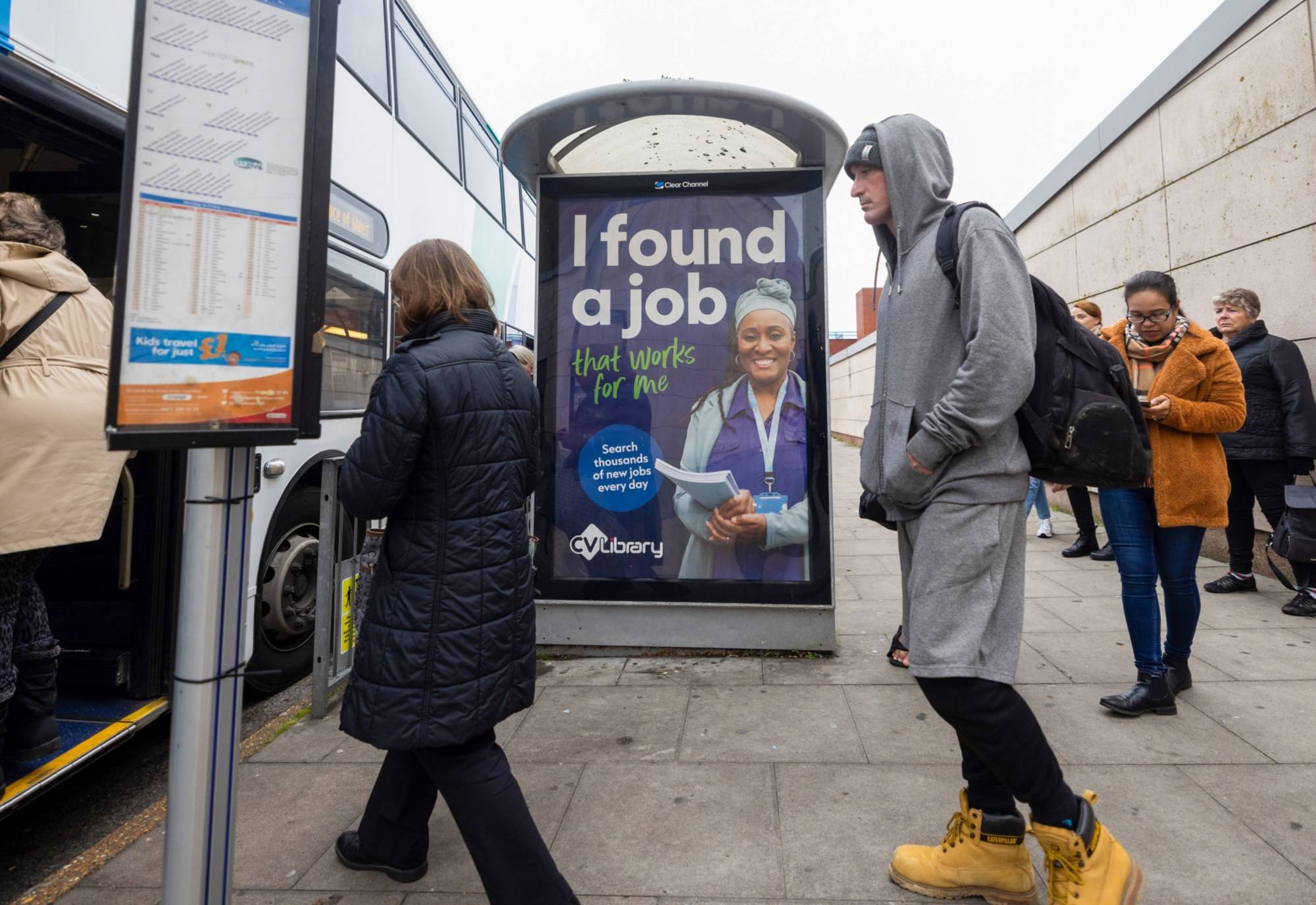
The U.S. labor market is showing signs of a “Great Freeze,” with hiring activity remaining low while layoffs also stay limited. This trend is creating a unique environment where current employees enjoy job security, but job seekers face challenges finding new opportunities.
Economic experts describe the Great Freeze as a period marked by cautious corporate behavior. Companies are holding onto their existing workforce but are hesitant to expand staffing levels. This cautious approach reflects ongoing economic uncertainty, including inflation concerns, interest rate pressures, and global market volatility.
Recent labor reports show that hiring remains sluggish across multiple industries. While employers are not actively reducing staff, new job openings have slowed significantly. Sectors such as technology, finance, and manufacturing report fewer postings, making it harder for unemployed individuals and professionals seeking career advancement to find positions.
Analysts say that the Great Freeze benefits current employees by offering job stability. “Workers who already have positions are less likely to face layoffs during this period,” said one labor market expert. This stability helps maintain household income and consumer confidence despite economic uncertainties.
However, the freeze also limits upward mobility. Career changers and recent graduates may struggle to find roles that match their skills and aspirations. Some industries report that companies are prioritizing retention over growth, which reduces the availability of opportunities for promotion or lateral moves.
Human resources professionals note that businesses are focusing on efficiency and cost control. Companies are optimizing existing teams and investing in employee training rather than adding new hires. This approach helps maintain productivity and reduces turnover risks while keeping payroll expenses in check.
The labor market freeze also has implications for wages. With limited hiring pressure, salary growth is stabilizing, although some sectors with high demand for specialized skills continue to offer competitive pay. Analysts observe that this dynamic may slow overall wage growth, affecting household spending and broader economic trends.
Economists emphasize that the Great Freeze is not a sign of economic decline. Instead, it reflects a cautious balance between risk management and workforce stability. Businesses are navigating uncertainty while protecting their most valuable assets—their employees.
Industry reports indicate that certain regions are feeling the effects more acutely than others. Urban centers with competitive job markets report fewer openings, while some smaller markets see steadier demand for workers. Geographic differences highlight how local economic conditions influence labor market trends.
Investors and policymakers are watching the labor market closely. Stable employment supports consumer confidence and economic resilience, but limited job openings may restrict long-term growth. Experts suggest that government programs and private initiatives could help address gaps in job accessibility and workforce development.
Despite challenges for job seekers, the Great Freeze offers insights into corporate strategies during uncertain times. Businesses are prioritizing retention, employee satisfaction, and operational efficiency. These measures create a secure environment for current staff while helping firms weather economic fluctuations.
Overall, the US labor market freeze highlights a mixed picture. Current employees benefit from job security, reducing stress and financial uncertainty. At the same time, those seeking employment or career advancement face hurdles due to limited opportunities.
Economists conclude that as long as economic uncertainty persists, the Great Freeze may continue. Companies are expected to maintain cautious hiring practices, balancing workforce stability with operational needs. For job seekers, adaptability, networking, and skill development remain essential strategies for navigating the current labor market.
In summary, the US labor market freeze reflects a period of careful corporate decision-making. While existing employees enjoy protection from layoffs, limited hiring slows career progression and opportunities for new entrants, creating a unique dynamic in today’s workforce.
