


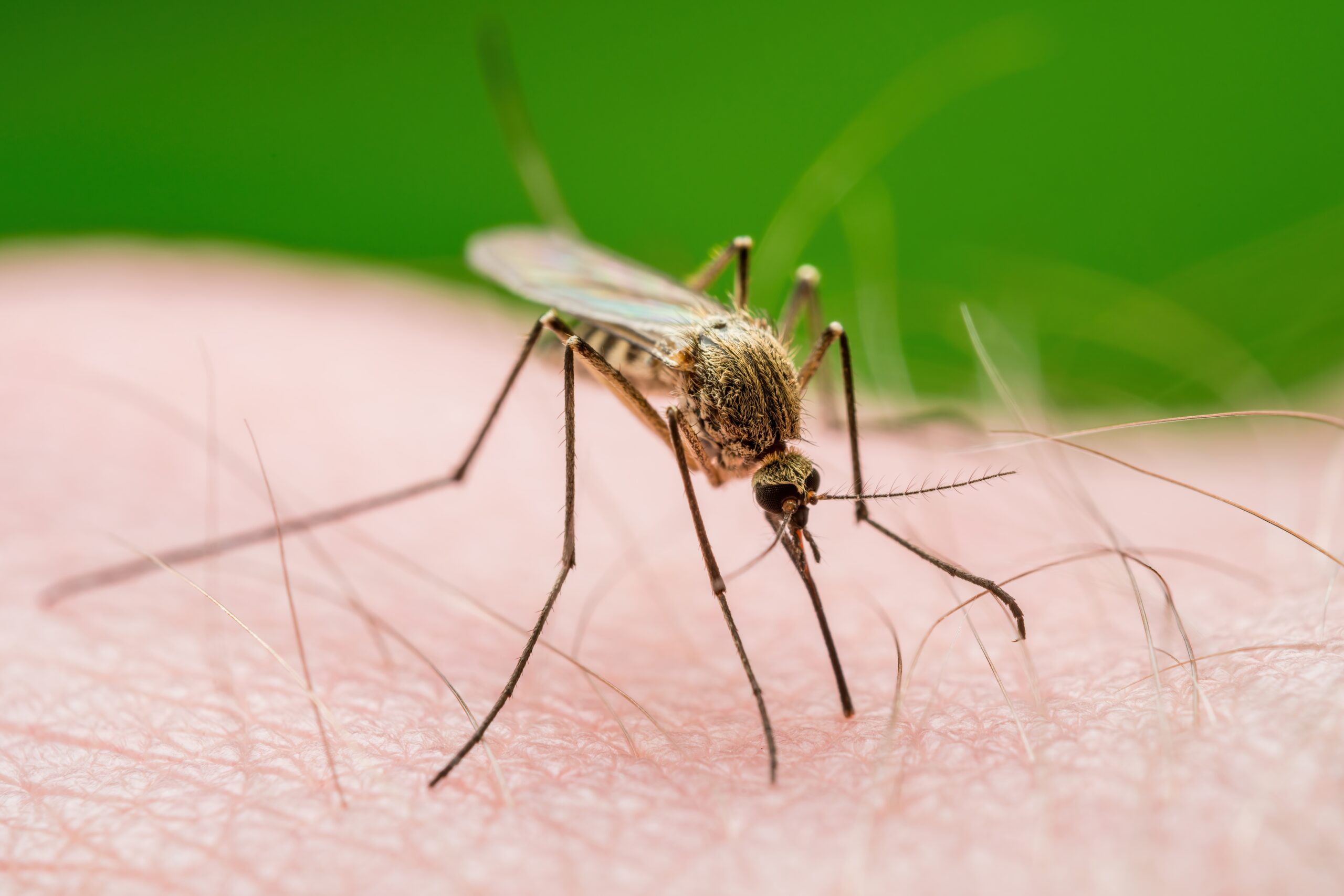
Mosquitoes have been detected in Iceland for the first time, marking a significant ecological shift as global heating makes the once insect-free country more hospitable.
Until now, Iceland and Antarctica were among the few places in the world without mosquito populations. But scientists have long warned that the island’s numerous marshes and ponds could become suitable breeding grounds as temperatures rise.
The discovery of three specimens of Culiseta annulata — a cold-resistant species — was confirmed by Matthías Alfreðsson, an entomologist at the Natural Science Institute of Iceland. The insects, found in Kiðafell, Kjós, were collected by citizen scientist Björn Hjaltason, who noticed them during a moth-attracting experiment.
“This species can survive Icelandic conditions by sheltering indoors through the winter,” Alfreðsson said.
Iceland is warming at four times the rate of the rest of the northern hemisphere, causing glaciers to collapse and attracting new marine and terrestrial species.
Across Europe, mosquito populations have been expanding due to climate change. In the UK, eggs of the Egyptian mosquito (Aedes aegypti) and the Asian tiger mosquito (Aedes albopictus) — both capable of spreading diseases such as dengue and Zika — have recently been found.
The arrival of mosquitoes in Iceland highlights how even the coldest regions are being transformed by a rapidly warming planet.
