


At 39ft below the surface, the ocean is pitch-black except for the beams of our torches cutting through clouds of plankton. Giant trevally dart past, brushing my face, while the glowing eyes of whitetip reef sharks and moray eels glimmer in the darkness. It’s a scene of chaos and beauty — and I’m night diving on Australia’s Great Barrier Reef.
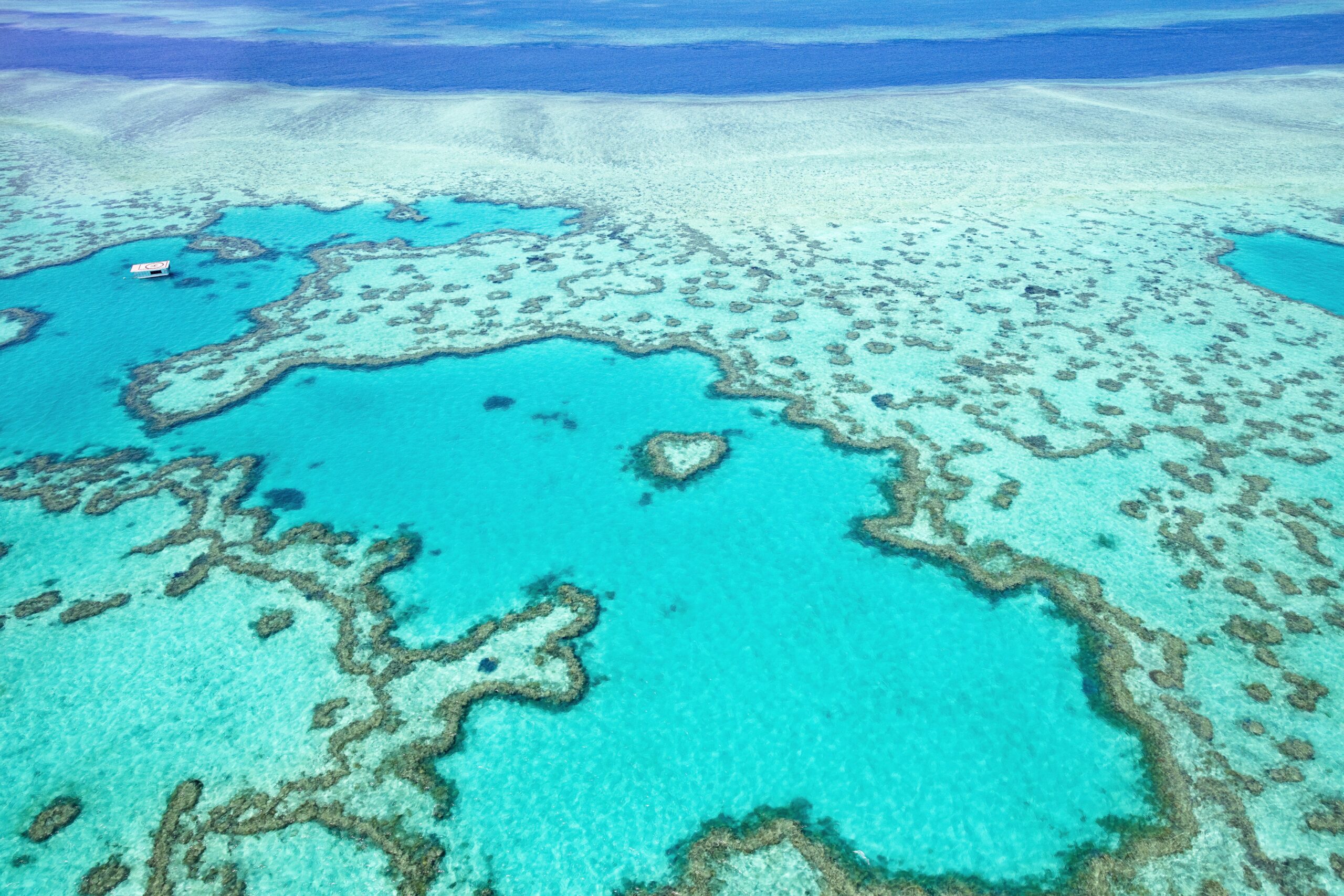
Stretching nearly 1,500 miles, only about 20% of the reef has been fully surveyed. Yet it remains one of the planet’s most vital ecosystems — and tourism, guided by accredited Master Reef Guides, provides essential funding for its protection.
I joined a three-night expedition aboard Spirit of Freedom, a liveaboard dive vessel sailing from Cairns to the far northern Ribbon Reefs, a chain of coral formations known for their resilience to bleaching. “Out here, the coral recovers faster,” says dive leader Mel Alps, one of 146 Master Reef Guides certified by the Great Barrier Reef Marine Park Authority.
These guides combine ecological expertise with conservation work. Divers help collect data for citizen science projects like Eye on the Reef, logging sightings of marine life, coral bleaching, and invasive species on waterproof slates. “Tourism helps us reach remote areas and report illegal activity,” Mel explains. “Without visitors, there’s less monitoring and less funding.”
Despite media reports of decline, the reef remains teeming with life — potato cod, turtles, dolphins, and brilliant coral gardens. Yet threats persist: rising sea temperatures, coral bleaching, and declining visitor numbers all endanger its future.
Our voyage ends at Lizard Island, home to both a luxury eco-resort and a renowned marine research station. Sir David Attenborough once called it his favorite place on Earth, and after days diving among thriving reefs and watching dolphins breach offshore, it’s easy to see why.
Flying back to Cairns, the reef sprawls beneath the plane — vast, fragile, and magnificent. “Yes, parts of it are struggling,” Mel says, “but it’s still alive. The best thing you can do to help the reef is to see it for yourself.”
