


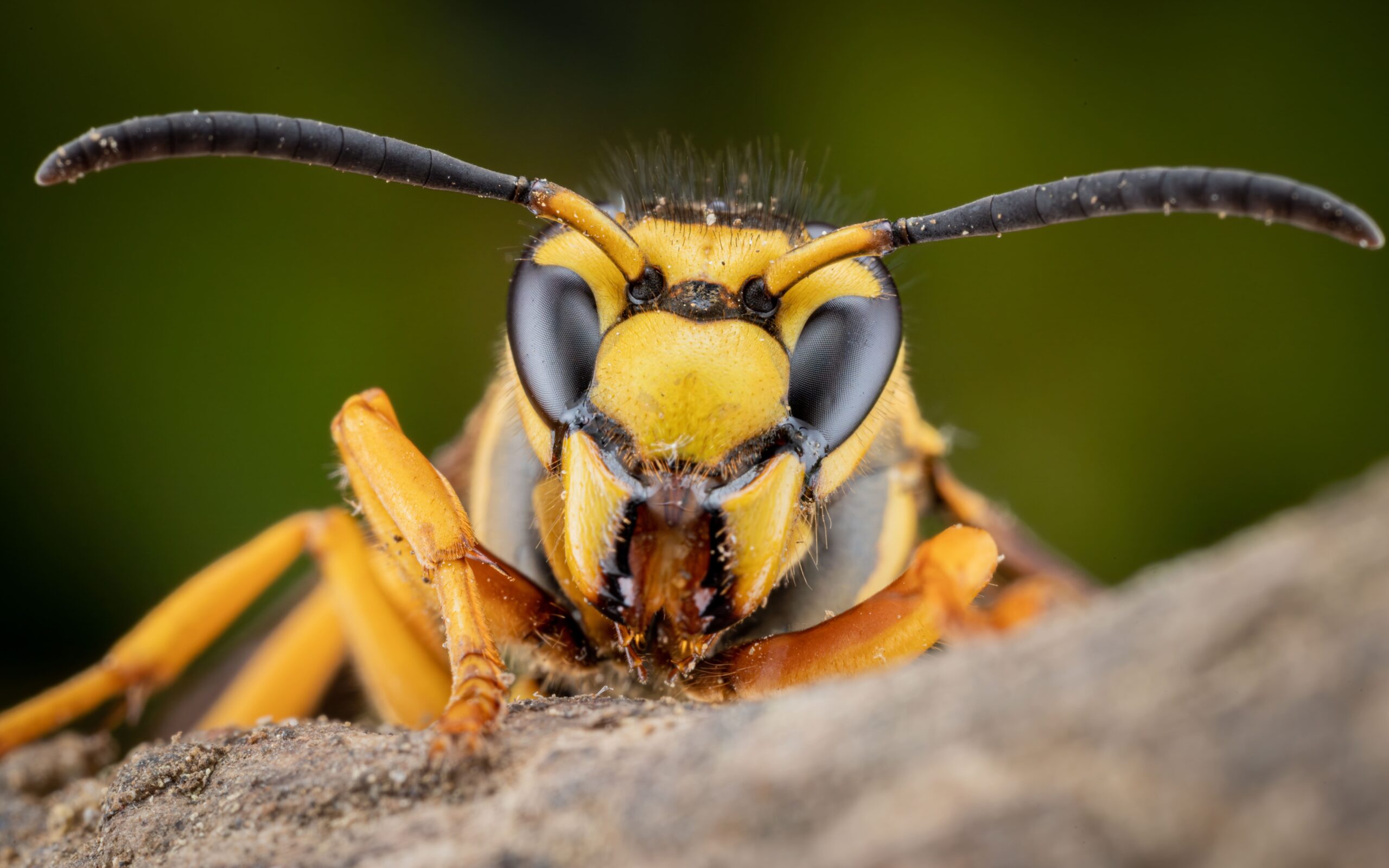
Should residents be concerned after Northern Ireland confirmed its first Asian hornet sighting in Dundonald? The Northern Ireland Environment Agency (NIEA) identified the species on Monday. Two days later, additional sightings were confirmed. By Saturday, authorities had located and removed a nest in the same area. Environment Minister Andrew Muir urged the public to remain vigilant, warning that more hornets could be present. Asian hornets do not pose a greater threat to humans than native hornets. However, they present a significant risk to native insects and have alarmed beekeepers and environmentalists.
Why the Asian hornet worries experts
Tom Williamson, a former senior bee inspector for Northern Ireland, warned that if the nest released queens, it could pose a serious problem next spring. A single Asian hornet nest can produce up to 350 gynes, or future queens. If the removed nest had already released its gynes, some may have mated before hibernation. Surviving queens could emerge next spring to build new nests, potentially spreading the species further across Northern Ireland.
What Asian hornets eat
Asian hornets feed on over 1,000 species of insects and spiders. Dr Archie Murchie, a senior scientist at the Agri-Food and Biosciences Institute, said the hornets prefer honey bees but also hunt many other insects. He noted that Northern Ireland’s insects lack the natural defenses their Southeast Asian counterparts possess. Richard Gray, head of the NIEA’s biodiversity and wildlife branch, called the hornet an aggressive predator. He said nests can contain up to 8,000 hornets or larvae, all of which need feeding. A single hornet can consume up to 50 honey bees a day.
How hornets affect bees
Asian hornets display predatory behavior called hawking, in which they hover near hives to catch bees. Williamson, a beekeeper in County Armagh, explained that this typically happens from mid to late summer. Bees may avoid leaving the hive, preventing them from foraging. “They won’t gather honey, and pollination will decline,” he said. This behavior affects not only farmed plants but also hedgerows and wild trees, which provide food for birds and other insects.
Managing the Asian hornet threat
Valentine Hodges, a beekeeper from County Down and chair of the Ulster Beekeepers Association, expressed deep concern about the invasive species. She warned it could drastically reduce biodiversity and pollination services. She also highlighted Northern Ireland’s lack of a bee inspectorate. In England, bee inspectors have played a key role in identifying and destroying nests. Williamson emphasized that trained inspectors could quickly locate nests and hand them over to removal teams, helping protect local bee populations. The Department of Agriculture, Environment and Rural Affairs began recruiting inspectors in April.
Nests in public areas
Williamson cautioned about the risks of Asian hornet nests in public areas. These nests often appear in hedges or close to the ground. People who unknowingly disturb a nest face serious danger, as hornets fiercely defend their colony. Authorities urge the public to stay alert and avoid approaching suspicious nests.
Actions taken so far
Following the first sighting, authorities deployed live traps to monitor hornet activity. They used track-and-trace methods to locate and remove the nest after further confirmed sightings. NIEA continues to monitor the area for additional hornets. Brian Grzymek, vice-chair of the Ulster Beekeepers Association and chair of an All-Ireland Beekeepers Action Group, has prepared an Asian hornet contingency plan since April. He said Northern Ireland is reasonably well-equipped for the hornet’s arrival. Officials are updating the contingency plan and will share it with local beekeepers.
How the hornet survives in Northern Ireland
Asian hornets could have arrived naturally or by hitch-hiking on imported goods. Dr Archie Murchie noted that Northern Ireland’s cooler and wetter climate limits their spread. Despite this, DNA analysis in 2024 confirmed the hornets survived their first winter in the UK, suggesting they can adapt to local conditions.
What to do if you spot an Asian hornet
Anyone who sees an Asian hornet should photograph it and upload the image to the Asian Hornet Watch app. The insect measures about 2cm, mostly black and brown, with an orange face, orange tail, and yellow legs. Grzymek advises against setting traps without guidance. Random traps can harm pollinators and make it harder to track hornets because they feed from multiple sources.
