


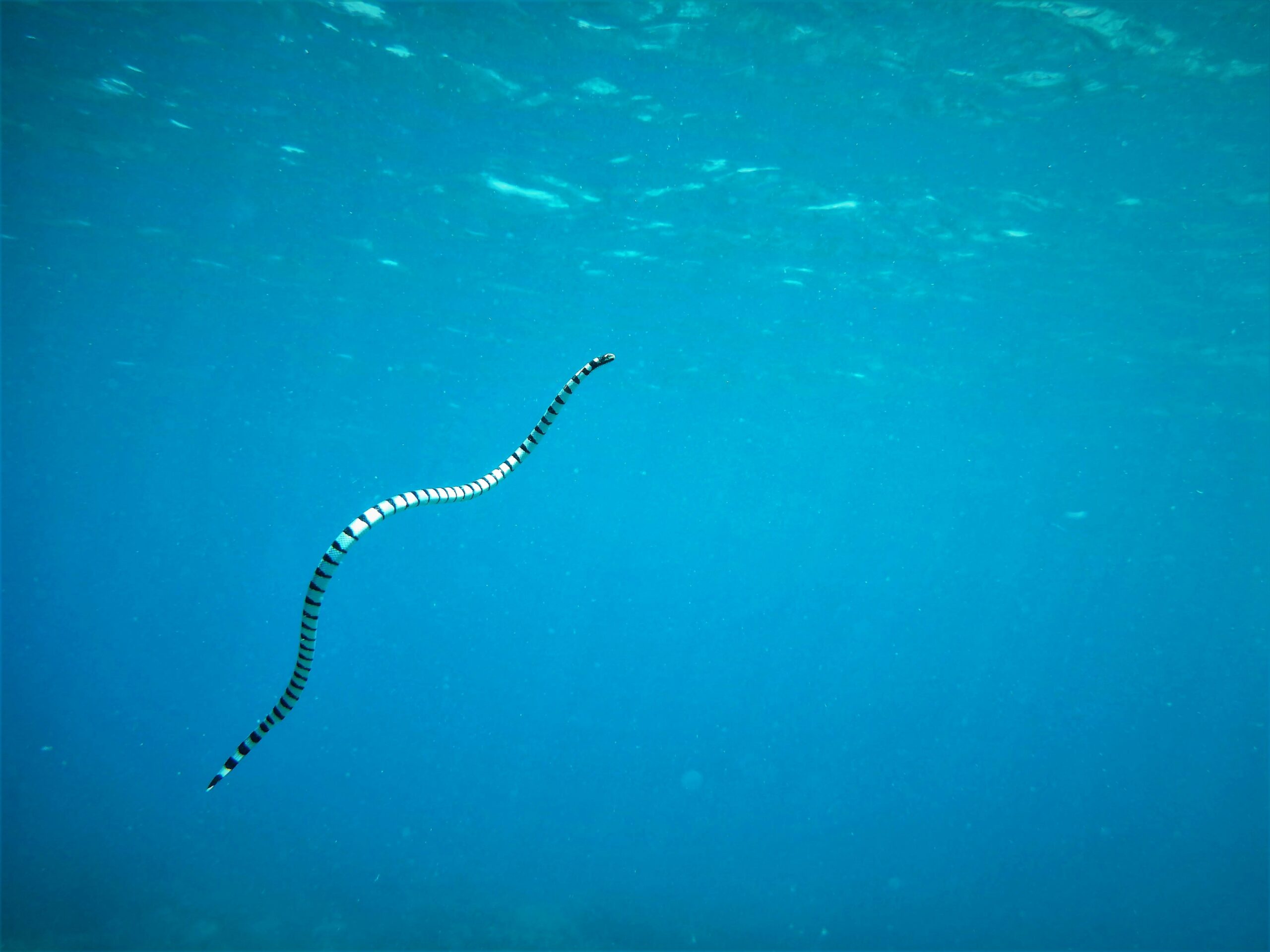
A New South Wales wildlife sanctuary evacuated parts of its centre after a woman brought in a deadly sea snake.
Tiga Cross, managing director of Coffs Coast Wildlife Sanctuary on the state’s north coast, said the woman found the snake stranded on a Woolgoolga beach on Monday and picked it up using gloves.
“They are one of the most venomous snakes in the world,” Cross said.
The woman carried the sea snake, later named Coral, in an unlocked basket and presented it at the front desk, claiming she had rescued it. Nearby visitors quickly evacuated as staff responded to the dangerous situation.
Cross said sea snakes often become defensive when removed from the ocean and placed in unfamiliar surroundings.
“Since the snake was unsecured, we guided all guests from the café and front area to safety while we contained it,” she said. “We made sure everyone stayed safe. On land, these animals can panic and strike if frightened.”
Rising Ocean Swells Wash Snakes Ashore
Cross revealed that this incident marked the second sea snake arrival at the sanctuary within the same week.
“That’s unheard of for us,” she said. “We believe heavy swells offshore have pushed these animals toward the coast by accident.”
She explained that sea snakes, like most snake species, rarely attack without provocation.
“They’re usually cautious creatures,” Cross said. “If you’re swimming and one appears, it’s more scared of you than you are of it.”
Staff will return Coral to the ocean once she recovers.
“Most of them suffer mild dehydration or shedding issues and just need care before release,” Cross said. “People think returning them to the water immediately helps, but they actually need deep-sea release by boat because they can’t get past the breakers.”
Experts Warn Public Against Handling Marine Snakes
Snake handler Stuart Johnson said the woman who picked up Coral was extremely lucky.
“Sea snake bites are rare, but she could have been seriously hurt,” Johnson said.
Only two people have died from sea snake bites in Australia, including a Northern Territory fisherman in 2018 — the first death in more than 80 years.
“They rank among our most venomous species, comparable to brown snakes and tiger snakes,” Johnson said. “Their venom affects the body in the same way as those land snakes.”
Johnson urged the public to contact professionals if they find a stranded sea snake.
“Most bites happen when people handle them directly — either picking them up or on fishing boats,” he said.
