


Rising Health Concerns
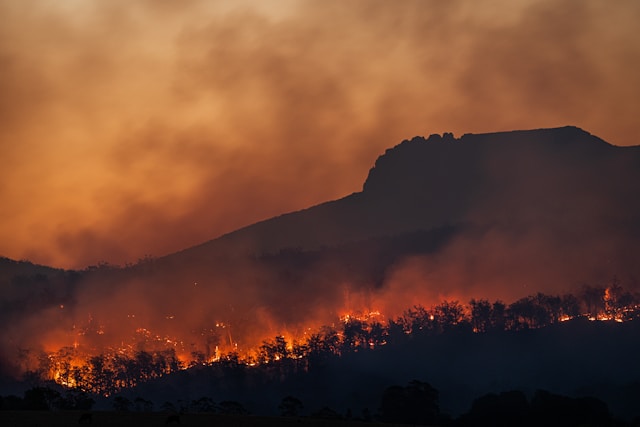
Wildfire smoke is creating mounting health challenges across the United States. Tiny particles in the smoke, known as PM2.5, can worsen respiratory and heart conditions, posing significant risks to children, older adults, and those with existing medical problems. Experts warn that as wildfires grow more frequent and intense, more people could experience serious health impacts.
Expanding Geographic Impact
While western states such as California, Oregon, and Washington have long been affected by wildfire smoke, recent years have seen smoke reaching farther east into the Midwest and Northeast. Scientists link this broader spread to climate change, which is fueling more powerful and frequent wildfires nationwide.
Monitoring and Protective Measures
Authorities advise residents to stay aware of local air quality and take precautions when smoke levels are high. Recommended measures include remaining indoors, keeping windows and doors closed, using air purifiers when available, limiting outdoor activity, and following guidance from local health officials.
Preparing for the Future
As climate change continues to drive wildfire activity, experts stress the importance of preparedness. Improving land management, enhancing early warning systems, and increasing public awareness of the dangers of wildfire smoke can help communities protect health during future wildfire seasons.
