


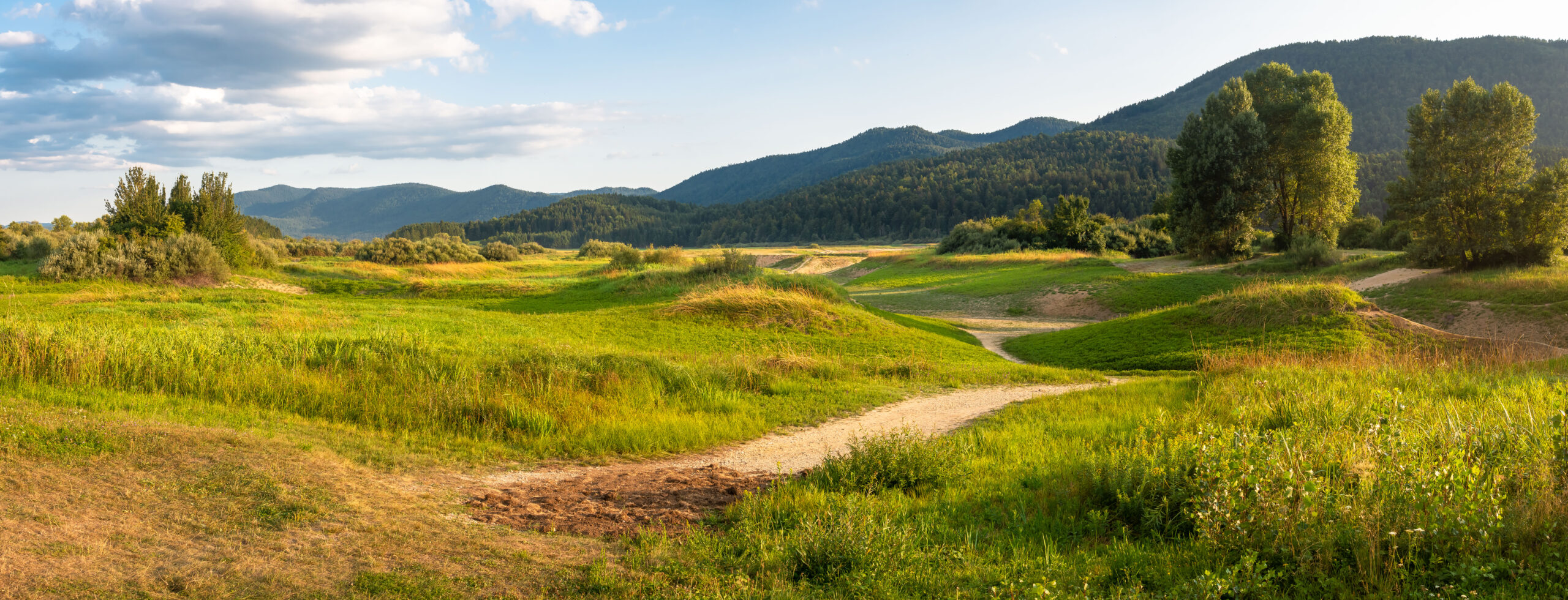
Natural England has warned that this summer’s drought is putting wildlife at serious risk, affecting hedgehogs, garden birds, salmon, amphibians, and wetland species. The prolonged dry conditions have left soil compacted, spawning pools dry, and marshy habitats depleted, while peatlands and thousands of hectares of protected land have been damaged by wildfires.
Hedgehogs and garden birds are struggling to find insects and water, while Atlantic salmon and natterjack toads experienced poor breeding seasons due to drying pools. Wetland birds like shoveler ducks and curlews have lost critical marshland, and the hot, dry summer—the warmest on record in the UK since 1884—has resulted in reservoirs averaging just 56.1% full, compared with a typical 82.8%.
Tony Juniper, chair of Natural England, said the drought is having a “catastrophic effect on our flora and fauna” and stressed the need for more resilient landscapes, including the creation of wetlands to mitigate future droughts and floods.
The Royal Horticultural Society noted berries are ripening unusually early, which could leave birds short of food later in the season. Guy Barter, RHS chief horticulturist, advised planting a variety of berrying plants to provide a spread of food availability.
Mark Roberts from the National Trust highlighted that dried-up springs and depleted water bodies have harmed fish populations and stressed that both newly planted and ancient trees have struggled, affecting insects and amphibians alike. Experts say a wet autumn and winter will be crucial to reversing the effects of the extended dry period.
