


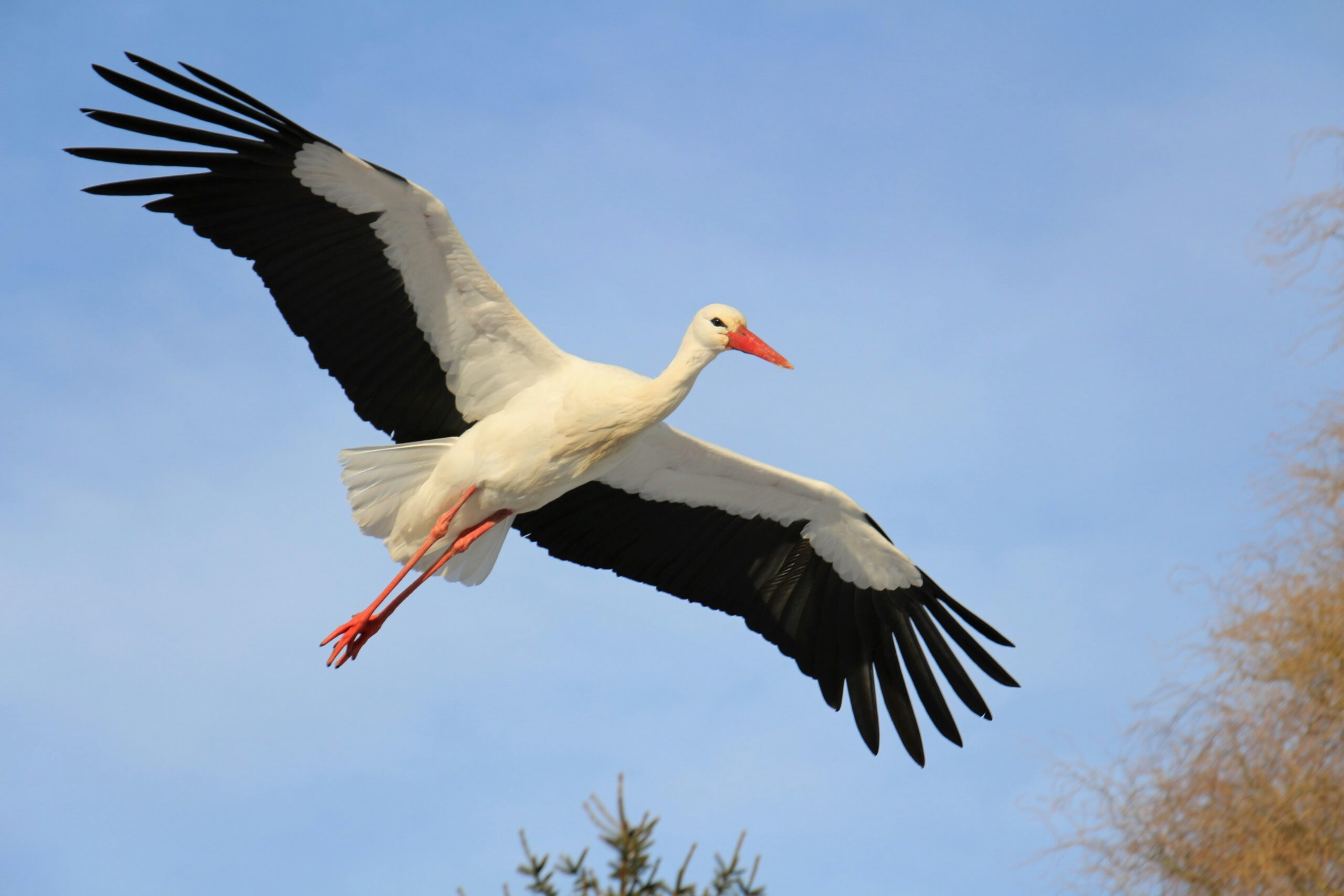
Researchers at Hebrew University propose tracking wild animals to detect disease before outbreaks escalate. Prof. Ran Nathan and his Movement Ecology Lab team argue that biologging devices can transform disease control. The 2021/22 avian flu in Israel killed 8,000 cranes, but GPS-tagged birds revealed critical insights. Those lessons inspired scientists to build a universal framework for detecting and managing future outbreaks. Nathan emphasized that tracking wild animals in near real time now allows earlier detection and targeted intervention. He said this capability could save both human and animal lives.
Biologging Framework Offers Early Warnings
The framework outlines six methods to combat disease through biologging. Researchers highlight how abnormal movement can reveal infection. Tagged animals can trigger alerts when they enter sensitive regions. Subtle behavioral shifts may indicate illness before symptoms show. Movement data reveal how pathogens spread between species and landscapes. Collected insights can shape interventions, such as wildlife management and targeted surveillance. Predictive modeling can also forecast outbreaks by combining movement and environmental information. Nathan stressed that unusual animal behavior often signals major risks for humans.
Global Collaboration Needed for Future Security
The study frames biologging as part of a One Health approach that links human, animal, and environmental well-being. Co-authors from Hebrew University, UC Berkeley, the University of Maine, and the University of KwaZulu-Natal urge worldwide coordination. They call for stronger investment in wildlife monitoring and tighter partnerships between conservation and health sectors. Nathan illustrated the potential by describing alerts from tracked animals warning of emerging viruses. He insisted this vision represents the future of global public health. While cost, cooperation, and data management remain hurdles, researchers argue action is vital. They warn that with zoonotic outbreaks increasing, inaction would cost far more than investment.
