


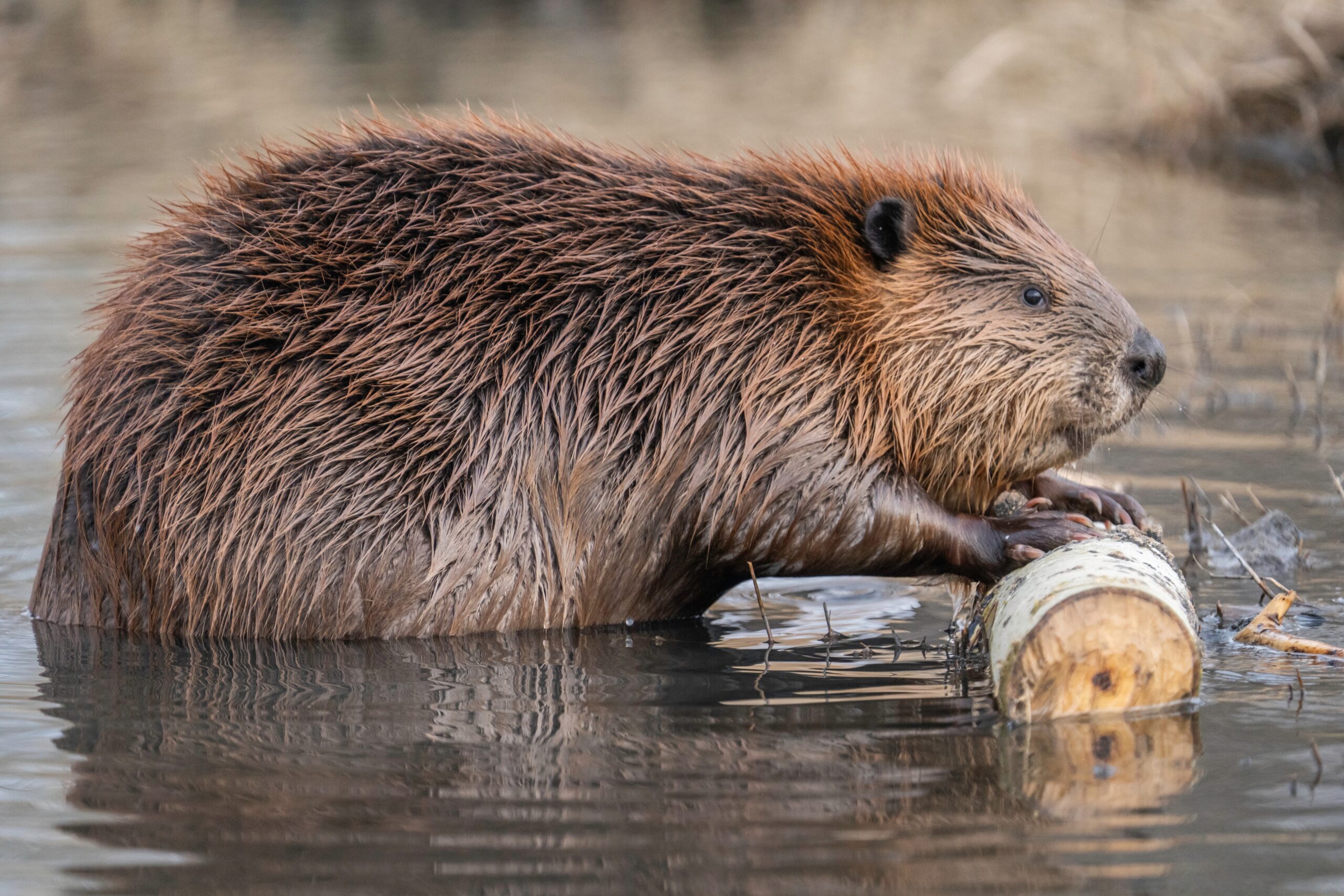
Steve the Beaver, named after The Great Escape star Steve McQueen, captured hearts with his repeated breakouts from a “secure” enclosure at the National Trust’s Wallington Estate in Northumberland. His adventures, seemingly driven by a search for a mate, included trips to nearby farms and streams, before he was eventually relocated to Wales with a female companion to start a family.
The Wallington enclosure, part of a 2023 release of four beavers, has been praised for boosting biodiversity, attracting mayflies, dragonflies, bats, and frogspawn. However, Steve’s escapades also caused some local frustration, including damage to volunteer-planted trees along the River Rede, highlighting tensions between wildlife reintroduction and farming interests.
Beaver escapes are not uncommon in England. A 2021 Natural England report noted escapes from 44% of 31 enclosures, often caused by storm damage or fencing issues. Some beavers, like Woody and Twiggy in Dorset, remain at large.
Historically, beavers were held in enclosures without legal reintroduction status. Since February, the government has shifted policy in favor of wild releases, granting enclosure licenses only in limited cases. Experts argue that while enclosures offer educational and scientific value, free-living beavers are more effective at restoring ecosystems.
Wildlife advocates predict tens of thousands of beavers will eventually populate Britain. For now, Steve serves as a cheeky reminder of the challenges and excitement of bringing this iconic species back to England’s rivers.
