


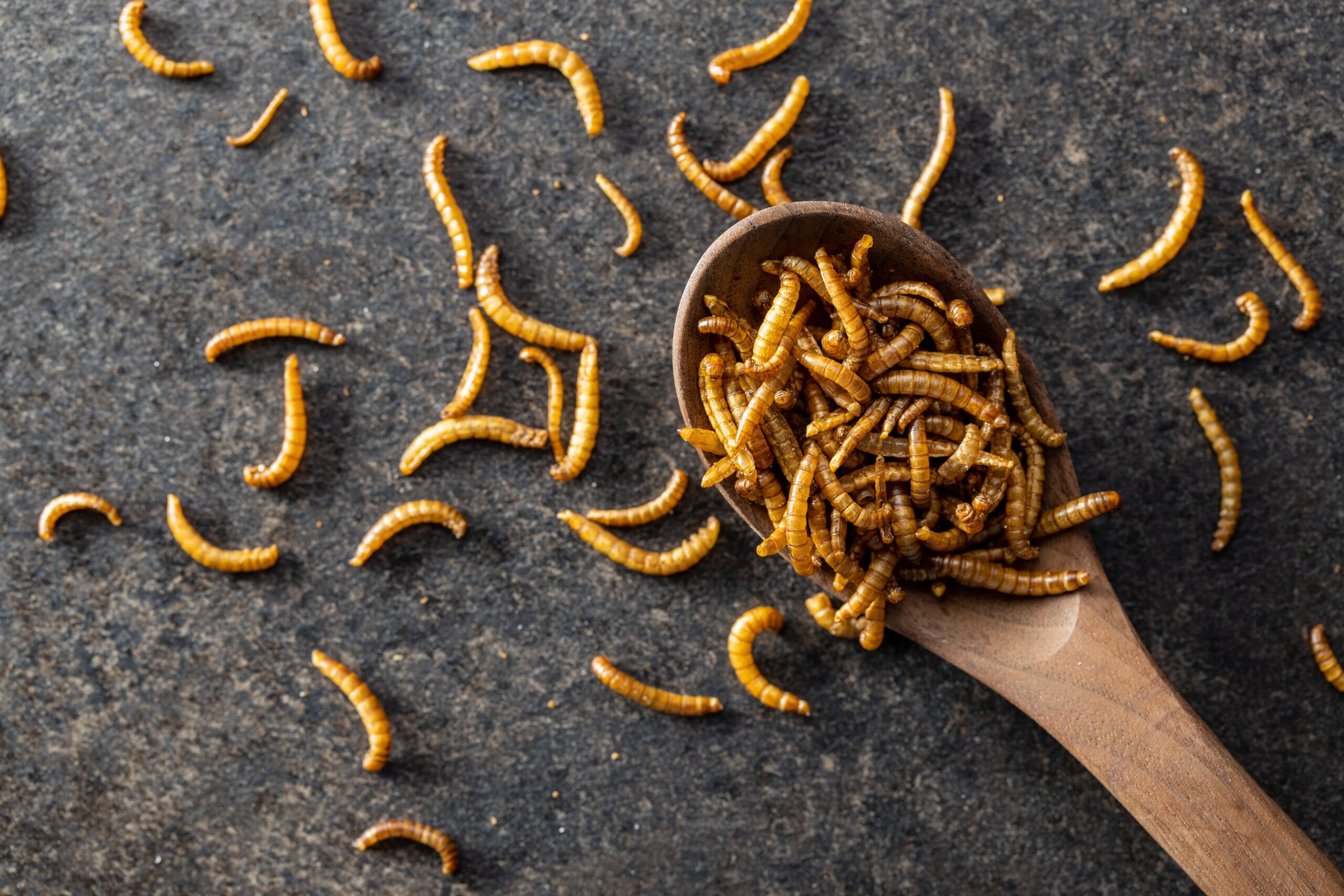
Insect protein offers health benefits and sustainability. Yet it now sits at the center of a wide-reaching conspiracy theory.
Insects on the Menu for Thousands of Years
Humans have consumed insects throughout history. Ancient cave paintings in Altamira, Spain, dating back 30,000 BC, depict people gathering bees. Today, many people in Latin America, Asia, and Africa eat insects regularly. In Mexico, boiled and fried grasshoppers, known as “chapulines,” serve as popular bar snacks and increasingly appear in gourmet restaurants.
Despite their nutritional and environmental advantages, insects remain largely absent from American and European diets. This hesitancy has grown in recent years as conspiracy theories suggest “global elites” want to replace meat with bugs. Experts warn these claims obscure legitimate research on sustainable protein and may slow the shift toward eco-friendly food systems.
The Rise of a Meme-Driven Conspiracy
In the United States and parts of Europe, the “I will not eat the bugs” conspiracy theory claims elites will force people to consume insects under the guise of environmentalism. Disinformation analyst Sara Aniano, researching the phenomenon at the Anti-Defamation League’s Center on Extremism, says the theory taps into fears about the “decline of Western civilisation.”
The idea began as a semi-sardonic meme online and has seeped into political discourse. In the Netherlands, far-right lawmaker Thierry Baudet poured golden mealworms from a bag during a 2023 anti-EU speech, shouting “No way!” He later posted a photo online with the caption “WE WILL NOT EAT THE BUGS.”
In Italy, the far-right party Lega per Salvini Premier funded a billboard in Conegliano showing someone eating a locust next to a message warning about cultural change before the 2024 EU elections. Insect consumption here symbolized a threat to tradition, linking food with broader cultural anxieties.
Insect Conspiracies in the United States
Before his 2023 firing from Fox News, Tucker Carlson aired a final special called “Let Them Eat Bugs.” He framed insect consumption as part of climate-driven policies pushed by unseen authorities. Dutch activist Eva Vlaardingerbroek appeared on the show, calling bug-eating a “compliance test” and supporting farmers’ protests against livestock reductions. Carlson declared the meme had grown into a movement.
Other right-wing figures like Alex Jones, Candace Owens, and influencer Jack McGuire amplified the “I will not eat the bugs” narrative.
Origins and Merging With Global Conspiracies
The fear of forced insect consumption traces back to the spring of 2020 when the World Economic Forum introduced “The Great Reset” during the Covid-19 pandemic. Conspiracy theorists interpreted this initiative as evidence that global elites planned to reorganize societies under totalitarian control.
The phrase “I will not eat the bugs” appeared on 4chan as early as August 2019. Its popularity surged when it merged with The Great Reset theories during the pandemic. In 2021, the WEF highlighted that insects could be more sustainable than meat, reducing climate impact and improving food security.
Aniano notes that conspiracies frame ordinary choices, like food, as markers of political and cultural allegiance. The EU approved four insect species as novel foods in January 2023, including house crickets, grain beetle larvae, migratory locusts, and dried flour beetle larvae. Social media users criticized this decision. French politician Laurent Duplomb falsely claimed the EU would allow insects in food without labeling, though EU law requires clear disclosure.
In January 2025, the European Commission approved UV-treated yellow mealworm powder for use in bread, cheese, and pasta, capped at 4% and clearly listed on product labels. Eurosceptic voices falsely warned of poisoning the population under the guise of environmental policy.
Why the Meme Resonates
Aniano explains the meme’s appeal lies in its simplicity. It mimics defiance against an order that never existed while exploiting fears about authority and emergencies like climate change.
Cognitive science professor Stephan Lewandowsky says conspiracies provide emotional comfort. Believing in malevolent forces controlling events feels safer than accepting randomness. Theories like “I will not eat the bugs” suggest that controlling food equals controlling society. They often pair with dystopian imagery, such as living in pods.
The theory also contains a kernel of truth: insects are edible and protein-rich. Insects can have up to 60% protein by dry weight. Cricket flour contains 46–70% protein, compared with around 26% in cooked lean beef.
Combating Insect and Climate Disinformation
Lewandowsky warns that confronting conspiracies requires addressing emotional needs, not just facts. A gentle approach involves asking why individuals hold certain beliefs and offering empathy. Conspiracies are not harmless; they threaten both individuals and society, especially when they undermine environmental action.
Jessica Fanzo, from Columbia University, emphasizes the importance of respecting diverse dietary preferences while providing scientific context. Persuasion requires time, patience, and addressing legitimate concerns rather than enforcing change.
Confronting climate change and related conspiracies demands persistence. Lewandowsky stresses that meaningful progress does not come from a single conversation.
